


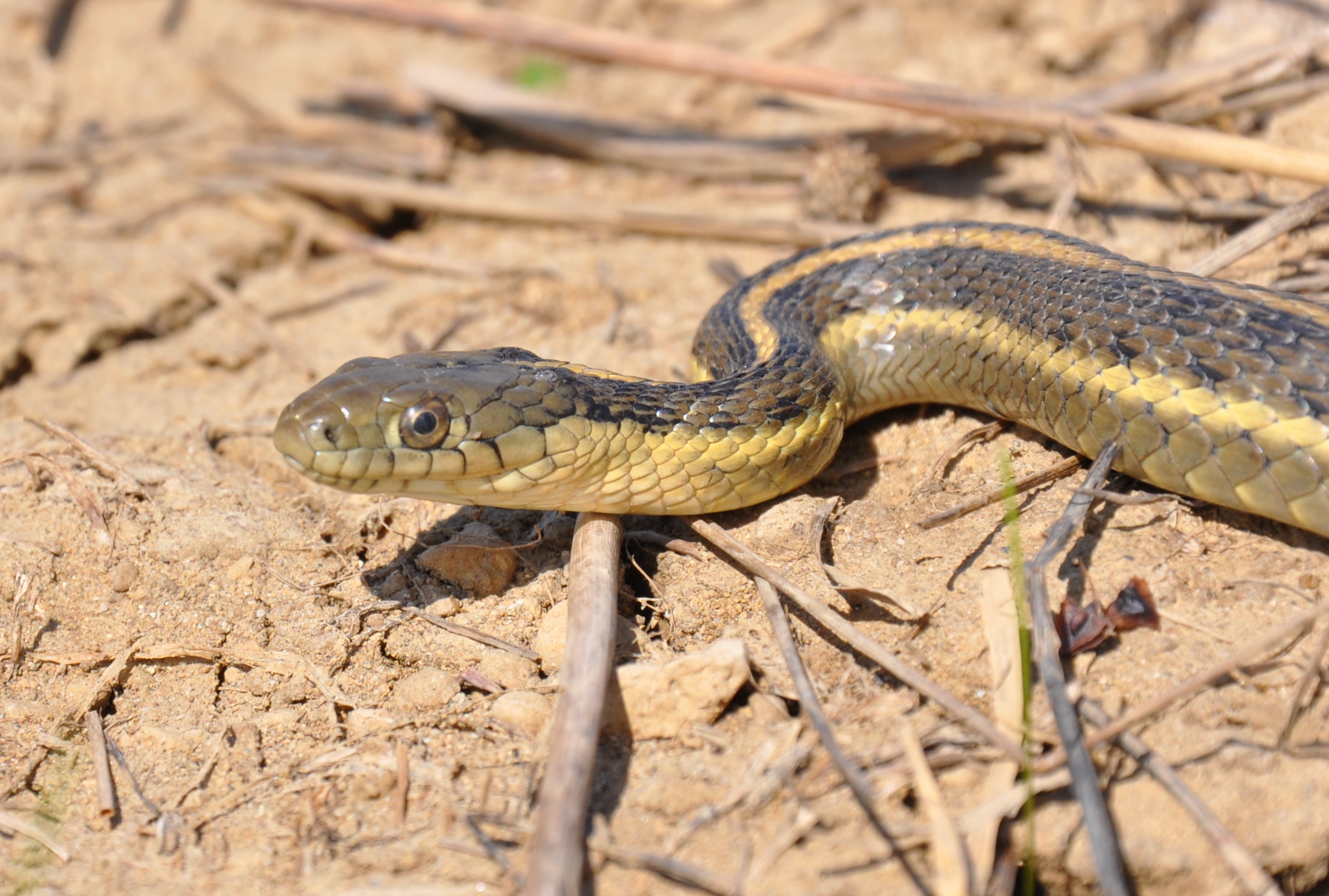
Snake under patio rug what to do is a common warm-weather search because the animal may be exactly where bare feet, chair legs, pets, and sliding doors meet. Stop patio traffic, keep children and pets indoors, and do not step on the rug to test whether the snake is still there.
Do not shake the rug, lift a corner by hand, drag chairs across it, or sweep under the edge while standing close. A rug can hide the snake's head, body direction, and escape route at the same time, especially when the rug is against a wall, deck rail, or outdoor sofa.
Patio rugs attract snakes indirectly through shade, warmth, trapped moisture, insects, lizards, frogs, and crumbs that draw small prey. Rugs under planters, dining tables, grills, or pet bowls can become sheltered cover during the hottest part of the day or after rain.
If the snake is visible at the rug edge, take one photo from outside striking distance and include the rug, furniture, nearby plants, and visible body pattern. Do not flip the rug for a clearer picture. A wider scene is safer and gives SerpentID more context than a risky close-up.
SerpentID can help compare visible markings, but patio-rug encounters should stay conservative because people may re-enter the area casually. If the app suggests a venomous possibility, the snake disappears under furniture, or the rug is near a main door, contact local wildlife help. Afterward, lift rugs with tools during inspection, dry them after rain, reduce spilled food, and leave a clear border around patio edges.