


Snake under hot tub what to do is a practical backyard safety search because hot tubs combine warmth, moisture, low panels, plumbing, wires, deck gaps, and shaded equipment cavities. The risky impulse is to pull a service panel or reach near the pump before you know where the snake is.
Do not open equipment panels, drain water, reach under the skirt, or start moving deck furniture while the snake's position is uncertain. Keep people and pets off the surrounding deck or patio, stand outside likely exit paths, and watch whether the snake is under the steps, behind a panel gap, along a hose run, or moving toward nearby landscaping.
Hot tub areas attract snakes indirectly. Warm surfaces, damp edges, insects, frogs, lizards, and rodents can make the spa perimeter part of a useful travel route. If the hot tub sits beside lattice, pavers, mulch, stacked towels, or storage boxes, the animal may have several protected exits you cannot see from one angle.
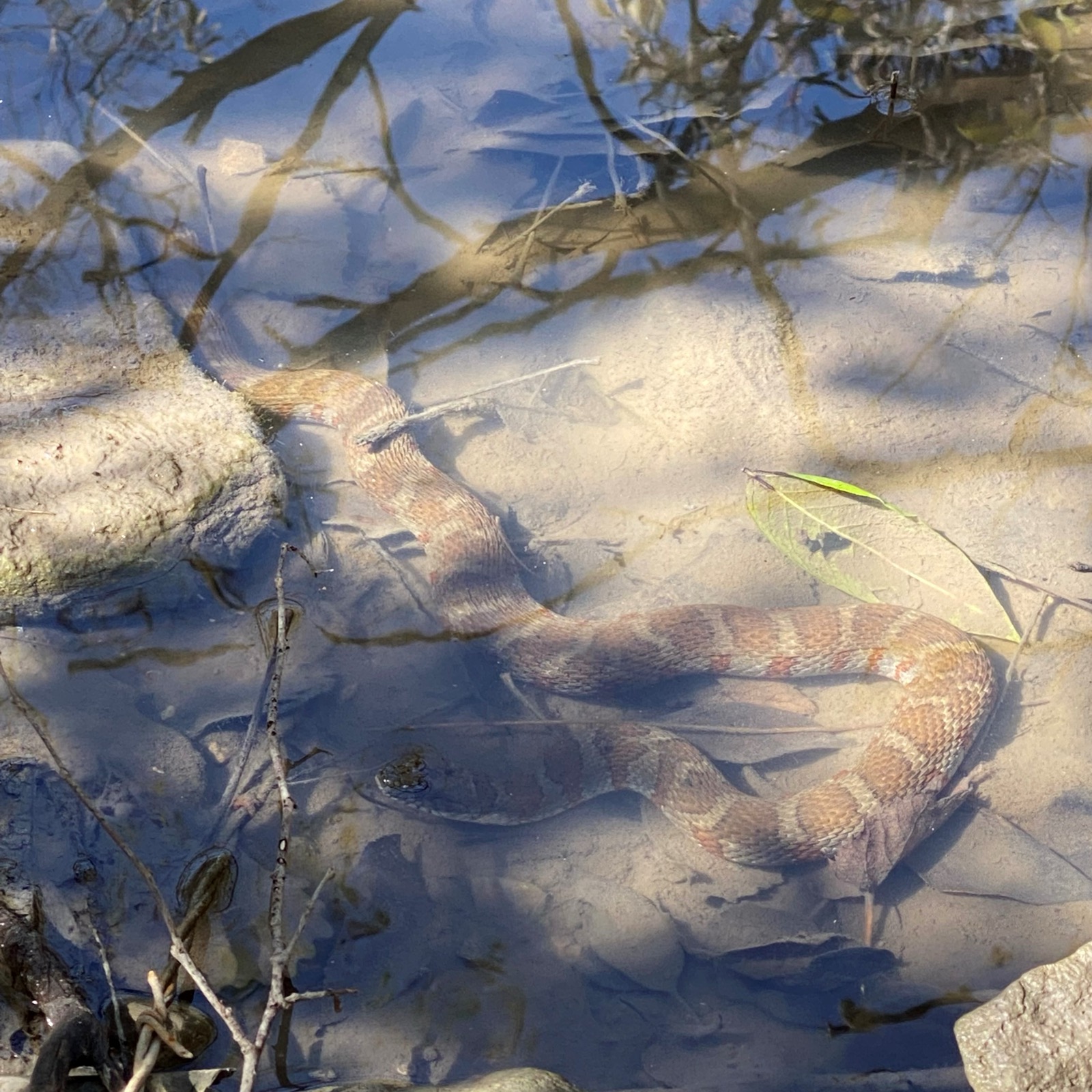
If the snake remains visible, take one stable photo from outside striking distance and leave the equipment alone. Do not tap panels, spray water, or block the gap with towels to trap the snake for a better look. Low service spaces shorten reaction distance and can push the animal deeper into a mechanical area.
SerpentID can help compare visible pattern and body build from a safe photo, but equipment-area decisions should stay conservative when confidence is low. If the app suggests a venomous possibility or the snake remains near wiring, plumbing, or a space that must be serviced, use local wildlife help before opening panels. Long term, keep the base clear, repair skirt gaps, reduce rodents, and inspect the perimeter before maintenance.