


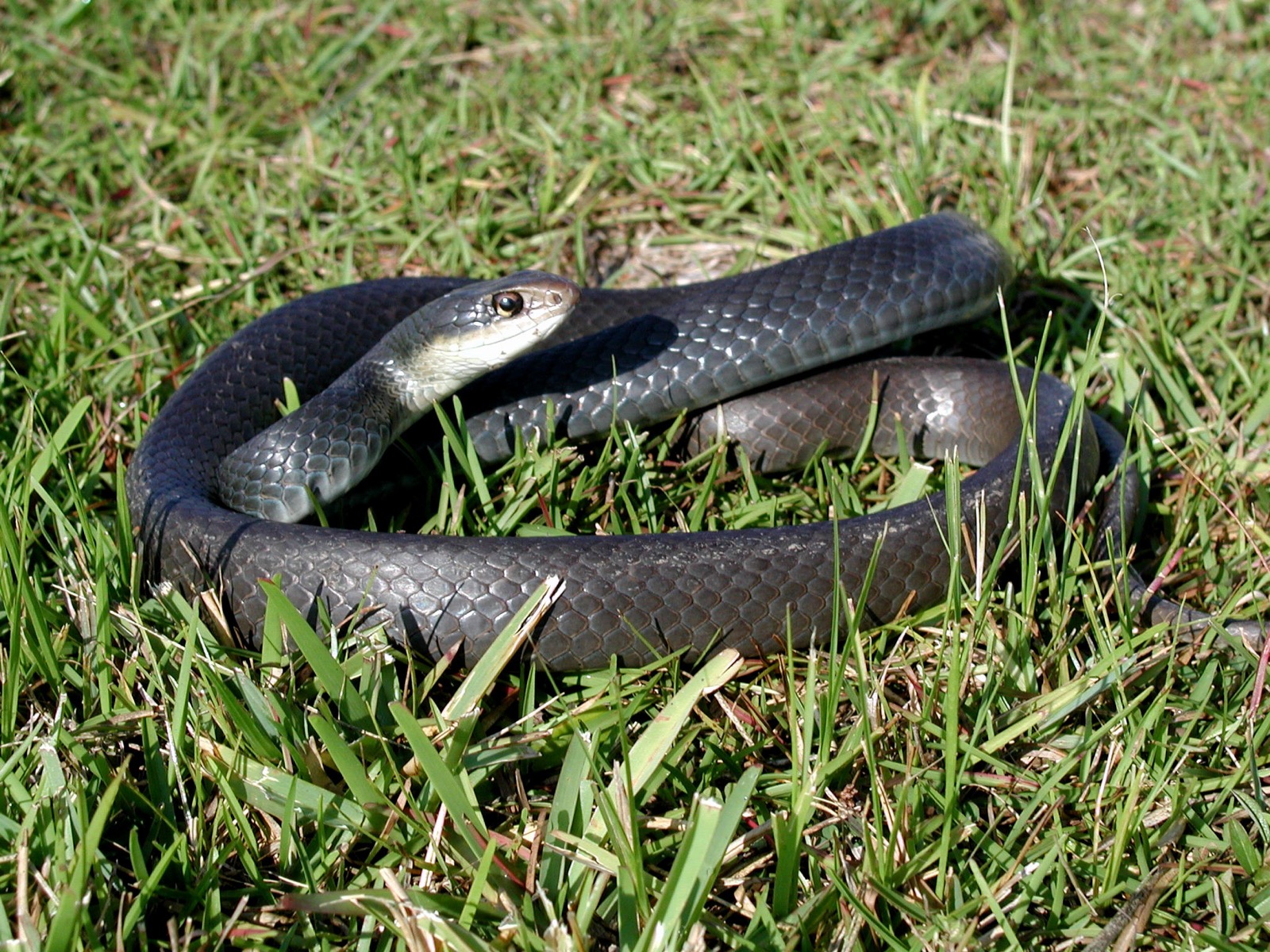
Snake under car hood what to do is a practical safety search because the next instinct is often to start the engine, slam the hood, or reach near the battery with poor visibility. Engine bays create warm cavities, narrow shadows, belts, hoses, and wiring that make it hard to know where the animal is before a hand goes in.
Do not start the car, rev the engine, grab at the snake with tools, or reach between engine components while its position is uncertain. Keep pets and bystanders away from the vehicle, stand to the side of the hood opening, and watch whether the snake is resting on top of the engine, down by the wheel well, or moving toward the ground.
Vehicles attract snakes indirectly. Warm metal after a drive, shade under the chassis, rodents in garages, spilled feed, and dense parking edges can all make a car useful temporary cover. A snake under the hood does not mean it wants the vehicle; it usually means the car was the nearest protected space along a larger route.
If the snake remains visible, take one photo from outside striking distance without reaching over the engine. Do not remove covers, tug wires, or poke below components to improve the angle. Once the snake drops deeper into the bay, the decision becomes less about identification and more about safe removal by someone with the right distance and access.
SerpentID can help compare a visible body section, but engine-bay photos are often partial and low confidence. If the app suggests a venomous possibility or the snake remains in a vehicle that must be moved, contact local wildlife help or roadside assistance before driving. Afterward, reduce rodent attractors in garages and parking areas, avoid leaving doors open in snake-active spots, and check under the car before the next start.