


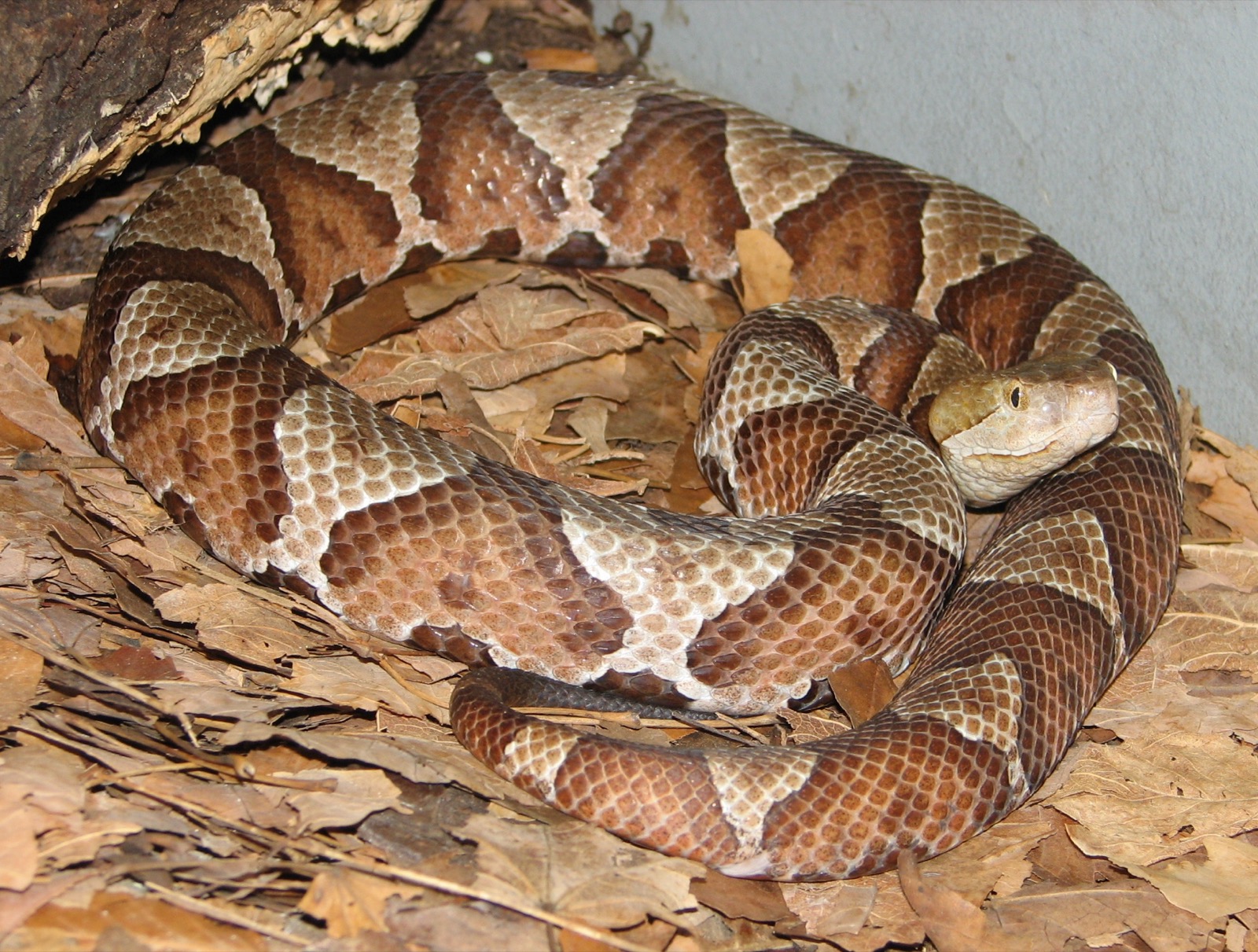
The sight of a snake rapidly vibrating its tail can be startling, immediately bringing to mind the distinctive sound of a rattlesnake. However, this fascinating behavior is far more widespread than many people realize, occurring in a wide variety of snake species, both venomous and non-venomous, that lack a true rattle. When a snake feels threatened or cornered, shaking its tail is a common and effective defensive display, a clear warning sign to potential predators or perceived dangers, including humans.
This tail-shaking behavior, often referred to as caudal vibration, involves rapid, involuntary muscular contractions along the length of the tail. When performed in dry leaves, grass, or against other debris, the quick movement can create an audible buzzing or rustling sound that eerily mimics the rattle of a venomous rattlesnake. This acoustic deception is a powerful evolutionary advantage, as many predators have learned to associate the rattling sound with danger, prompting them to retreat rather than risk a potentially dangerous encounter.
While mimicking a rattlesnake is a primary benefit, tail vibration can serve other defensive purposes. The erratic movement of the tail itself can be a distracting visual display, drawing a predator's attention away from the snake's vulnerable head and body. In some species, particularly juveniles, a similar tail-waving behavior, known as caudal luring, is used to attract small prey like frogs or lizards, but this is distinct from the rapid, defensive vibration against a threat. The core intent of defensive tail-shaking is to avoid direct confrontation by convincing a threat to back off.
It's a common misconception that only venomous snakes shake their tails. In reality, numerous harmless species across North America, Australia, and India exhibit this behavior. For instance, common species like rat snakes, kingsnakes, garter snakes, and many colubrids will vigorously vibrate their tails when startled or feeling defensive. This means that encountering a snake shaking its tail is not, by itself, a reliable indicator of whether the snake is venomous or not. Relying solely on this behavior for identification can lead to misjudgment.
Snakes typically resort to tail vibration when they perceive a threat and feel unable to escape. This could be a human approaching too closely, a predator like a bird or mammal, or even a sudden disturbance in their environment. It's an energy-intensive action, so snakes don't do it casually; it's a clear signal of distress and a desire to be left alone. Understanding this helps us interpret the snake's intention: it's a warning to keep distance, not an aggressive prelude to attack.
True rattlesnakes possess a specialized rattle made of interlocking keratin segments that produce a distinct, loud buzzing sound when vibrated. This anatomical feature is unique to them. However, the underlying behavior of rapidly vibrating the tail is a shared defensive trait across many snake families. Whether a snake has a rattle or not, its tail-shaking is a powerful non-verbal cue that it feels threatened and is attempting to deter a potential danger without needing to strike.
When you encounter a snake exhibiting tail vibration, it's a clear signal that the animal feels uneasy and wants space. The best course of action is always to give the snake a wide berth and allow it to move away undisturbed. If you're unsure about the species, or if the snake is in a place where it poses a concern, remember that safe identification is key. Photograph the snake from a safe distance, capturing its patterns, head shape, and general body without disturbing it further. Then, use the SerpentID app to compare its markings against likely local species. If it's a venomous species or you're concerned for safety, contact local wildlife services for assistance. Never attempt to handle, approach, or harm the snake.