


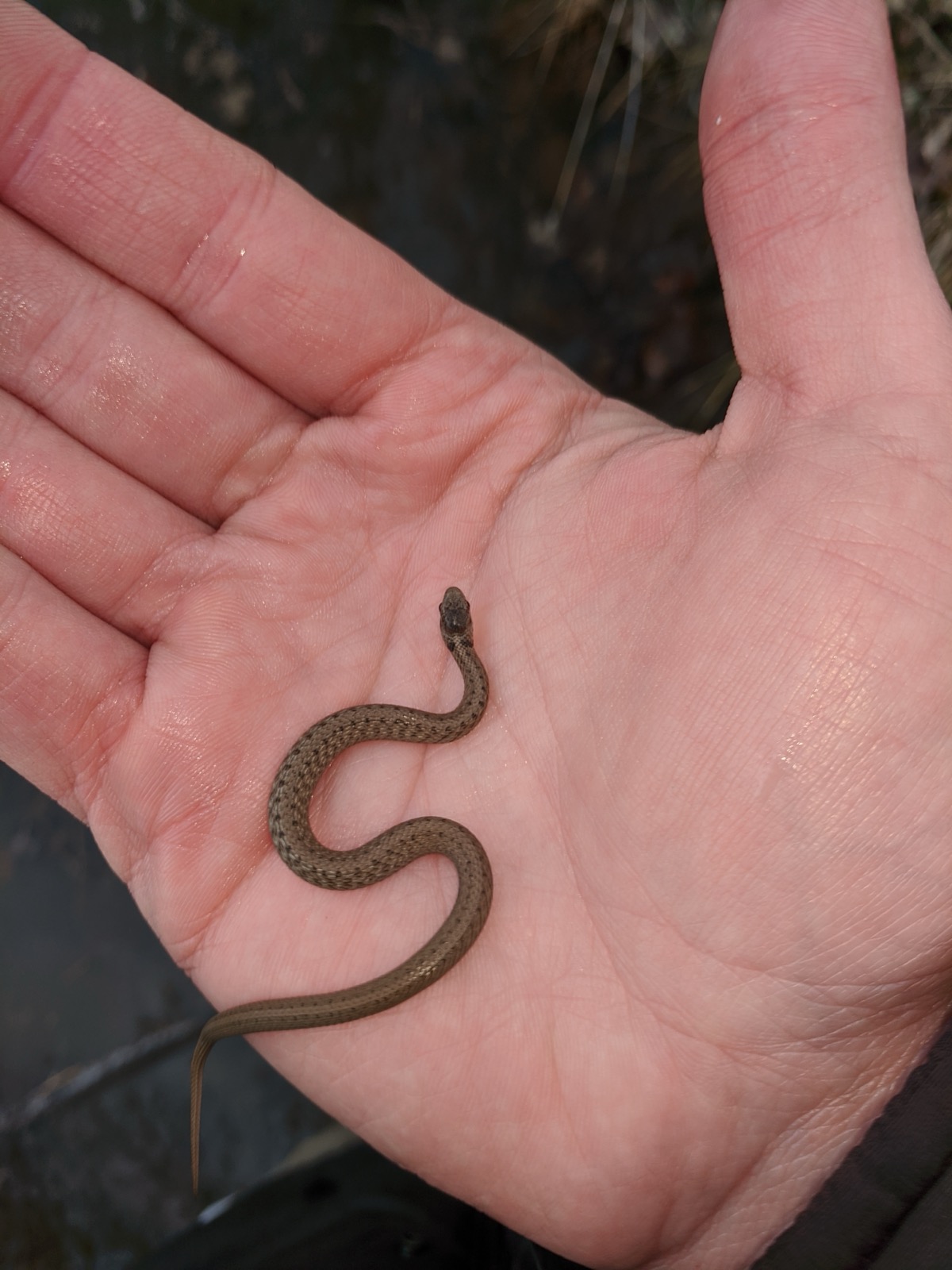
Plastic bird netting, anti-deer mesh, and flexible erosion-control blankets are common features in modern gardens, but they create a severe hazard for local wildlife. Snakes are particularly vulnerable because of their long, limbless body design and backward-pointing scales. As a serpent crawls through a small square of mesh, its head and neck may pass through easily, but as the wider section of its body enters, it gets wedged. When the snake attempts to back out, its backward-facing scales catch on the synthetic strands like a barb, trapping the animal tighter with every struggle.
If you discover a snake tangled in garden netting, your first priority must be assessing your own safety before taking action. A trapped snake is panicked, exhausted, and likely in pain, making it highly prone to striking defensively if anything approaches. Before stepping closer, inspect the snake from a distance of several feet to evaluate its head shape, body pattern, and overall size. If you live in an area with venomous species like copperheads, rattlesnakes, or vipers, never assume an entangled reptile is harmless simply because it appears weak or inactive.
When you are confident the snake is a non-venomous species, gather the proper tools before attempting a rescue. You will need a pair of heavy leather work gloves, sharp kitchen shears or wire snips, and a thick towel or blanket. Gently drape the towel over the snake's head and forward body to reduce its visual stress and protect yourself from defensive snaps. The dark cover often calms the animal significantly, allowing you to work on the mesh around its body with less movement from the reptile.
To free the snake, always cut the strands of the netting rather than trying to pull or slide the plastic off the animal. Pulling on mesh caught beneath scales can tear the snake's skin, strip scales, or break delicate ribs. Slide the blunt tip of your scissors carefully underneath a single strand of netting, keeping the blades parallel to the body to prevent pinching the skin. Snipping just one or two loops in the tightest constriction points is often enough to release the tension and allow the snake to wriggle free on its own.
Once the main constrictions are severed, step back and give the snake space to move away. Even if small pieces of plastic strand remain resting loosely on its back, the snake will typically shed them during its next natural skin molt. However, if the netting has cut deeply into the flesh or if the snake appears completely limp and dehydrated, place a large plastic storage tub over the animal and contact a licensed local wildlife rehabilitator who can provide medical treatment and wound care.
To prevent future entanglements, consider replacing lightweight plastic mesh with rigid wire hardware cloth or wood lattice around berry patches and raised beds. If flexible netting is necessary, keep the bottom edge raised two to three inches off the ground so crawling reptiles can pass underneath, or pull the mesh drum-tight over rigid frames so there is no loose netting to bind around passing animals. Regularly inspecting any mesh in your yard ensures that if a creature does become caught, it can be discovered and released before suffering severe stress or injury.
Before reaching toward any stranded reptile, take a clear photo from a safe distance and upload it to SerpentID. The app compares scale patterns, head shape, and color markings against local species databases to confirm whether the snake is harmless or venomous within moments. If the identification indicates a venomous species, keep children and pets away and contact your local animal control officer or wildlife service to handle the removal safely.