


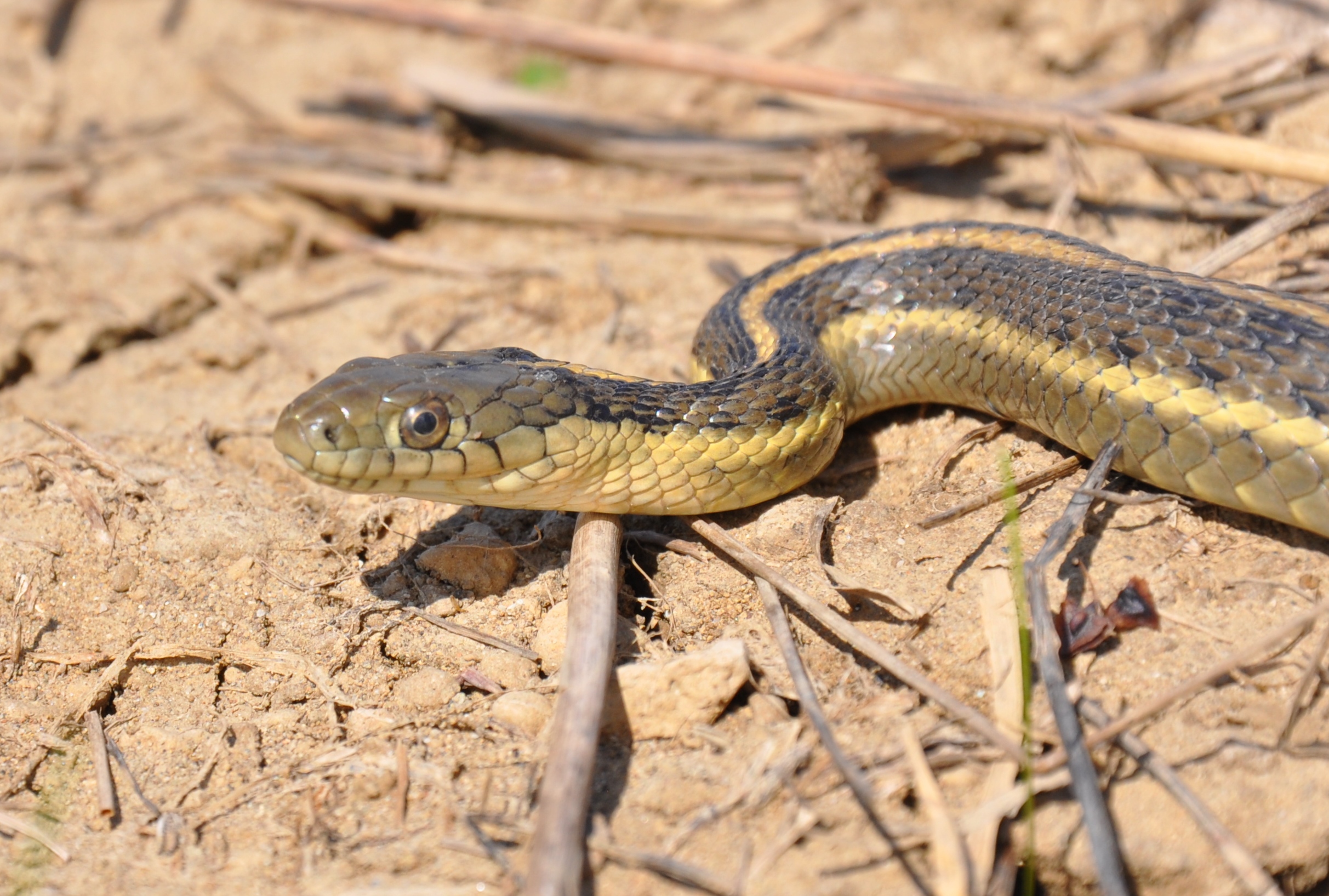
Most children meet their first wild snake in an ordinary place: the backyard, a school field, a campsite, or the edge of a creek. How they react in the first few seconds matters more than anything they know about species. Snake bites to children usually follow a familiar pattern. A child spots something interesting and reaches for it, steps into tall grass or rocks without looking, or puts a hand into a hole, a woodpile, or under a board. The goal of snake safety for kids is not to make them afraid of the outdoors. It is to replace those reaching and grabbing instincts with a short routine they can follow without thinking.
The core rule fits in one sentence that even young children can repeat: stop, step back, and tell a grown-up. Stopping matters because snakes generally bite when they feel cornered, grabbed, or stepped on, not because they want to chase anyone. The idea that snakes hunt or pursue people is a myth. Stepping back slowly, rather than running wildly or throwing things, gives the snake room to leave, and most will. Telling an adult means the decision about what happens next belongs to someone who can assess the situation. Practice this like a fire drill. Children remember a rehearsed action far better than a warning they heard once.
Children also need to hear clearly that they should never touch a snake, even a small one or one that seems dead. Size tells you very little about danger. Baby venomous snakes can deliver a medically significant bite, and in places like Australia even experienced adults are advised to treat every snake as potentially dangerous. A snake that looks dead may be playing dead, as hognose snakes famously do, or may still have reflexes that can produce a bite after death. Explain that a snake that holds still is not tame or friendly. It is often waiting for the threat to go away, and a hand reaching toward it is exactly that threat.
Good outdoor habits prevent most risky encounters before they start. Teach kids to wear closed shoes rather than sandals or bare feet when playing in long grass, leaf litter, or rocky areas, and to stay on mowed paths and open ground where they can see their feet. Tell them not to reach into holes, rock crevices, hollow logs, or piles of wood, bricks, or toys that have sat outside. If they need to move something, they should ask an adult to lift it with a tool while everyone stands back. After dark, children should carry a flashlight and look where they walk. In rural parts of India, where kraits are active at night and often enter homes, sleeping on a raised bed under a well-tucked mosquito net rather than on the floor is a widely recommended precaution for the whole family.
Adults can make the environment safer too, which matters because children cannot be expected to watch for snakes all the time. Keep grass short around play areas, store firewood and building materials away from swings and sandboxes, and avoid leaving toys, tarps, and boards on the ground where snakes and the rodents they eat can shelter underneath. Check playhouses, sandboxes, and outdoor toy bins before kids dive in, especially in warm weather. Teach older children the local reality without exaggeration. In much of the United States most backyard snakes are harmless, while India and Australia have more medically important species close to homes. In every region, though, the safe behavior is the same: leave the snake alone.
Kids should also know what to do if a bite happens, kept simple so they can act on it. If a child is bitten, or sees a friend bitten, the first job is to move away from the snake and get an adult immediately. Adults should keep the child calm and still and seek professional medical help immediately by calling the local emergency number, such as 911 in the United States, 000 in Australia, or 108 or 112 in India. Explain to children that they should never try to catch or kill the snake to show the doctor, because that is how a second bite happens. Old ideas like cutting the wound or sucking out venom are dangerous myths and have no place in a family plan.
Identifying the snake is a job for adults, and it can be done without anyone getting close. Once the children are safely back and the snake has room to move, an adult can take a photo from a safe distance using the phone's zoom and let SerpentID compare the markings against the species most likely in your area. That answer can turn a scary moment into a calm learning moment for kids, who often love finding out which snake they saw. If the result suggests a venomous species, or you are unsure, keep everyone away and contact your local wildlife service or a licensed snake removal professional rather than handling it yourself.