


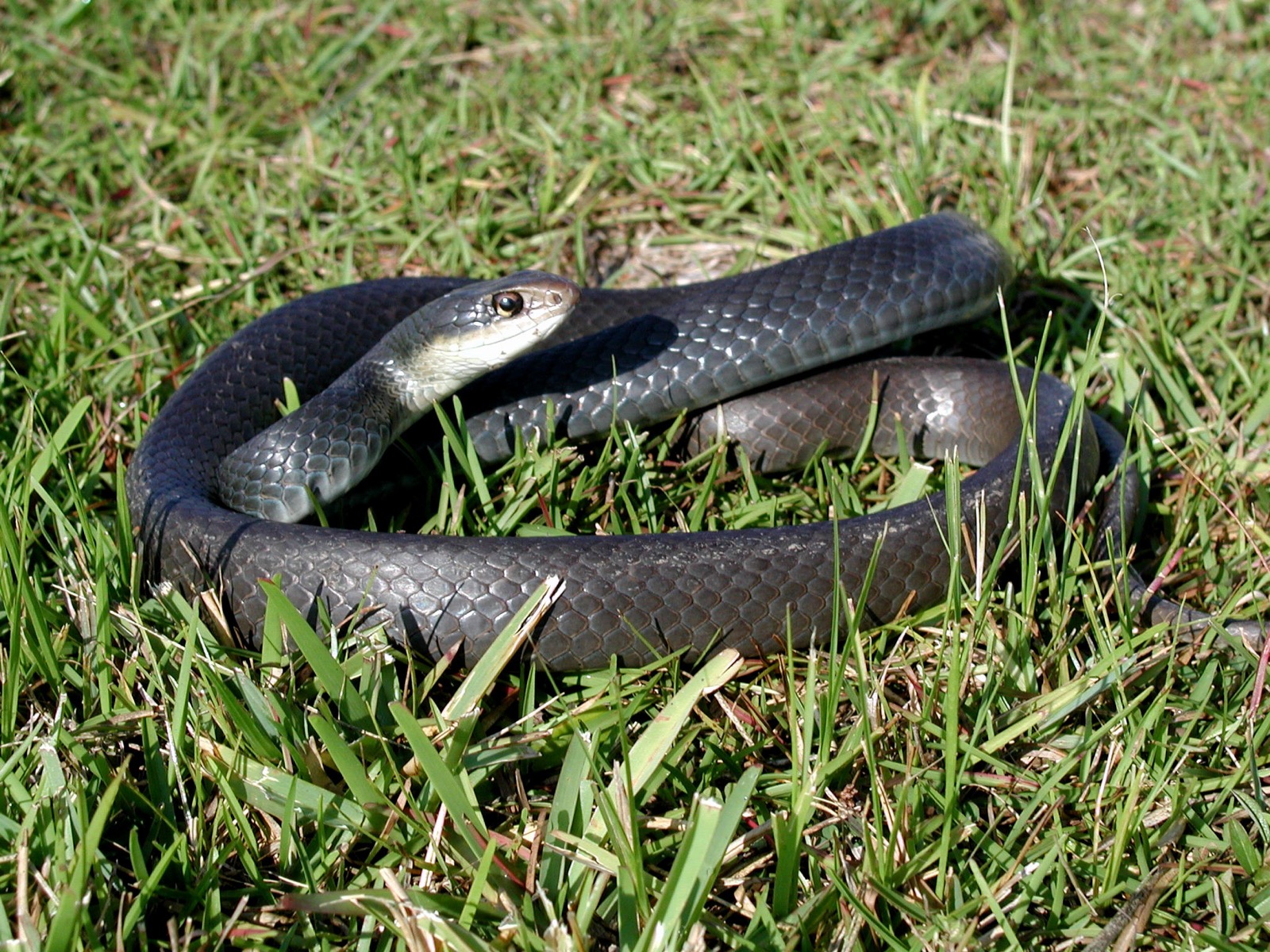
Snake on stairs what to do is a movement problem before it is an identification problem. Stairs narrow your options, put feet close to the animal, and make people more likely to rush because they are carrying laundry, groceries, tools, or pets. The safest first step is to freeze normal traffic and create a simple alternate route if one exists.
Do not step over the snake, sweep it down the stairs, or let a dog pass close to investigate. Keep people at the top and bottom away from the stair run, and avoid blocking the direction the snake is already moving. If the stairs connect to a basement, porch, deck, or garage, close nearby doors only if you can do it without approaching the animal.
Stair sightings often happen because steps sit beside useful edge habitat: porch planters, basement thresholds, deck gaps, garage entries, retaining walls, or shaded corners. The snake may simply be crossing a path, warming on a tread, or following cover along the wall. That context matters because it tells you where it may retreat next.
If the snake remains visible, take one stable photo from a landing or doorway without leaning over the railing or moving onto the same tread. A wider image showing body pattern, stair location, and nearby cover is safer than a close-up that puts your feet on the stairs.
SerpentID can help compare visible markers from a safe image, but low confidence should keep the stairs closed. If the app suggests a venomous possibility, the snake disappears under stair trim, or the staircase is the only access route, contact local wildlife help before trying to clear it yourself. Afterward, inspect nearby door sweeps, stair gaps, planters, and storage items that made the route attractive.