


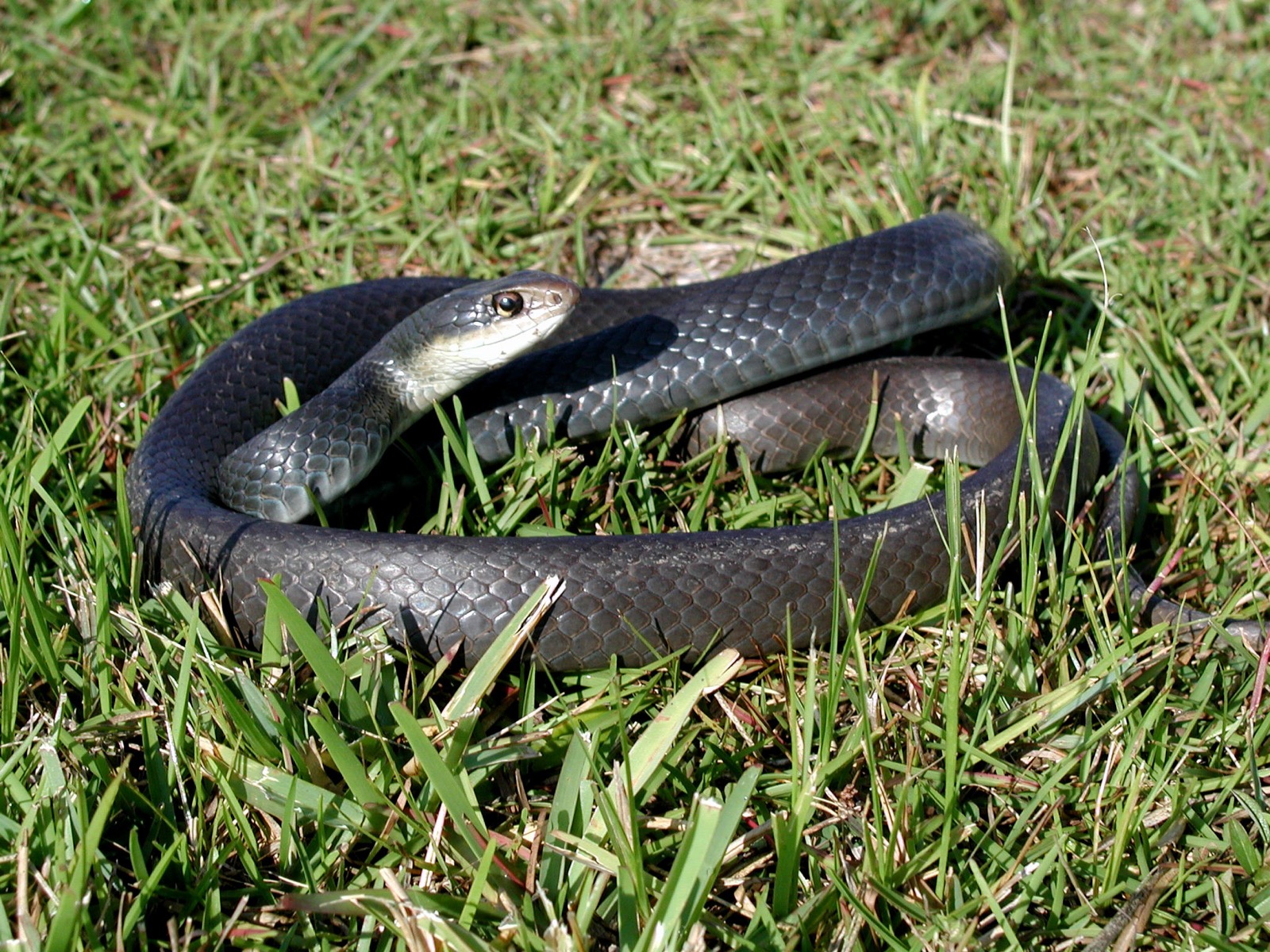
Snake on front porch at night is exactly the kind of search that happens in real time with a hand on the doorknob and poor visibility. Darkness compresses the decision: people either freeze or move too fast. The safer approach is to improve the scene first, not the certainty. Porch lights, flashlights, and a little distance matter more than a rushed species guess at the threshold.
Do not step over the snake to get inside, reach down for shoes or packages near the animal, or open and close the door repeatedly to keep checking it. Start by keeping everyone indoors or well back from the steps, then use stable lighting to see whether the snake is stretched along the wall, near a planter, under furniture, or close to the sweep of the door.
Front porches attract snakes indirectly through heat and food chains. Entry lights bring insects, insects attract frogs and lizards, and nearby foundation gaps, mulch, potted plants, and stored decor create easy cover. The porch may simply be part of a larger route around the house rather than a random place where the snake decided to stop.
If you can do it safely from the doorway or a protected window, take one clear photo and stop there. Do not try to get a dramatic close-up in bad light. Night photos already reduce pattern detail, and the extra step forward usually adds more risk than useful information.
SerpentID can help compare likely species from that first safe photo, but low confidence at night should always widen your safety margin. If the app suggests a venomous possibility or you cannot enter or leave the house without passing close to the snake, contact local wildlife help. Afterward, inspect porch clutter, potted cover, and lighting patterns that may be making the entry zone more attractive.