


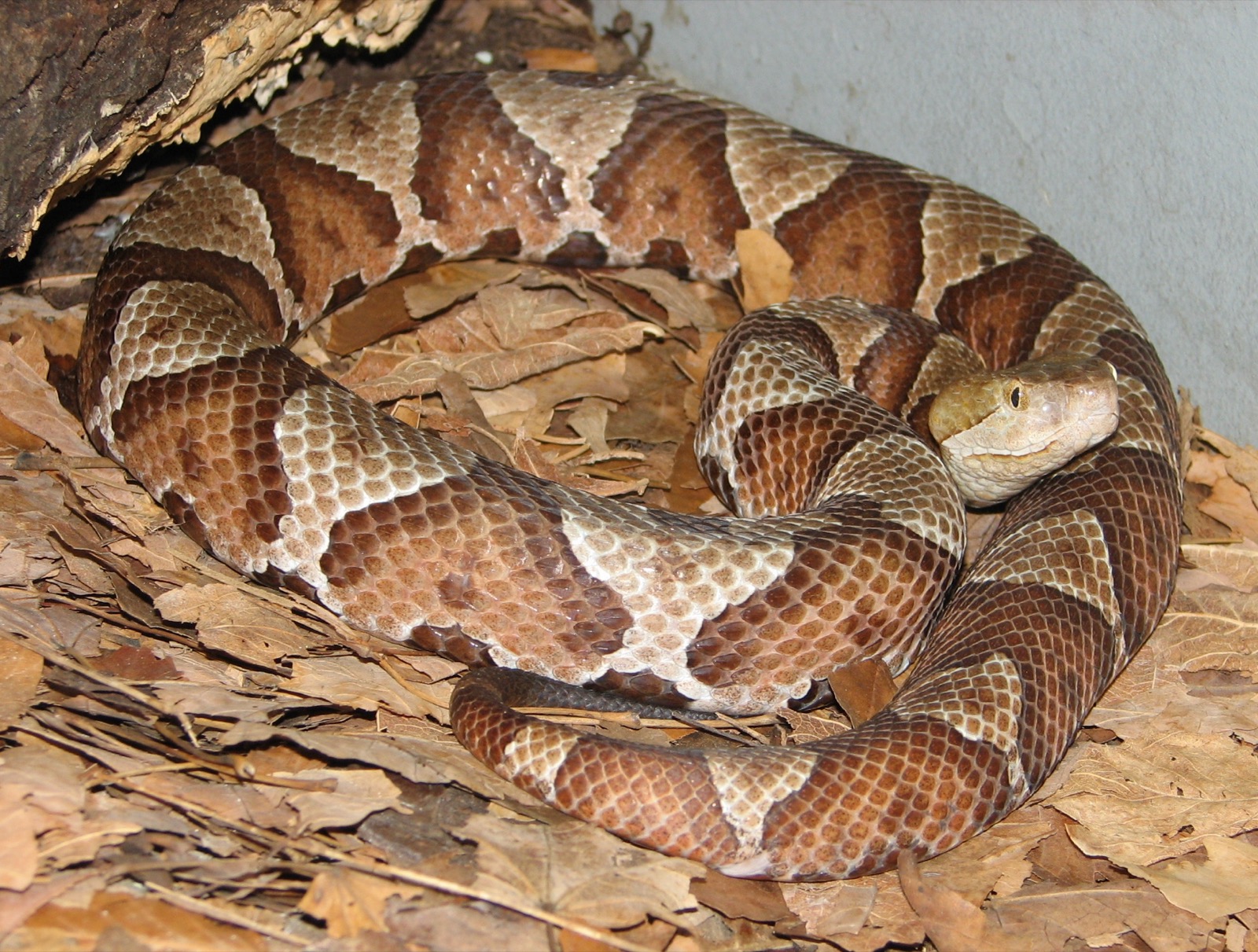
Snake on driveway at night what to do is a low-light safety search because pattern, distance, and direction are harder to judge after dark. The first move is to stop walking, pause vehicles if possible, and keep pets inside or on a short leash away from the driveway.
Do not step closer to confirm markings, nudge the snake with a shoe, or try to drive over it to make it move. Avoid shining a phone inches from the ground or standing between the snake and nearby cover. Give it space to leave toward grass, landscaping, a culvert, or a fence line without pressure.
Driveway sightings at night often happen because pavement holds heat after sunset and sits beside edge habitat. Mulch beds, garage doors, retaining walls, drains, parked cars, porch lights that attract insects, and nearby rodents can all make the driveway a temporary crossing or warming area.
If the snake stays visible, use a flashlight from a distance and take one steady photo without walking closer than necessary. A wider image that shows body shape, pattern, and driveway context is more useful than a dark close-up. Do not crouch beside the snake or place your hand near the pavement for scale.
SerpentID can help compare visible markers from a low-light image, but night encounters should stay conservative when the photo is blurry or overexposed. If the app suggests a venomous possibility, the snake stays near a garage or main walkway, or someone must move a vehicle soon, contact local wildlife help. Afterward, improve path lighting, keep garage seals tight, and check warm paved areas before letting pets out at night.