

Snake near beehive what to do is a practical apiary search because the animal may be close to hive stands, water trays, mouse guards, bottom boards, frame boxes, or the path used during inspections. Pause hive work, keep pets and visitors away, and do not open or lift boxes while the snake's position is uncertain.
Do not mow around the stand, reach under pallets, lift hive covers, move stored supers, or use a hive tool to push the snake away. Apiary work already demands attention on bees, footing, and equipment; adding a hidden snake near the stand makes close hand work too unpredictable.
Beehive areas attract snakes indirectly through warmth, shade, water sources, insects, rodents near feed or stored equipment, and protected gaps under stands or pallets. Hives beside tall grass, sheds, fence lines, wood piles, or brushy edges are more likely to sit on active wildlife routes.
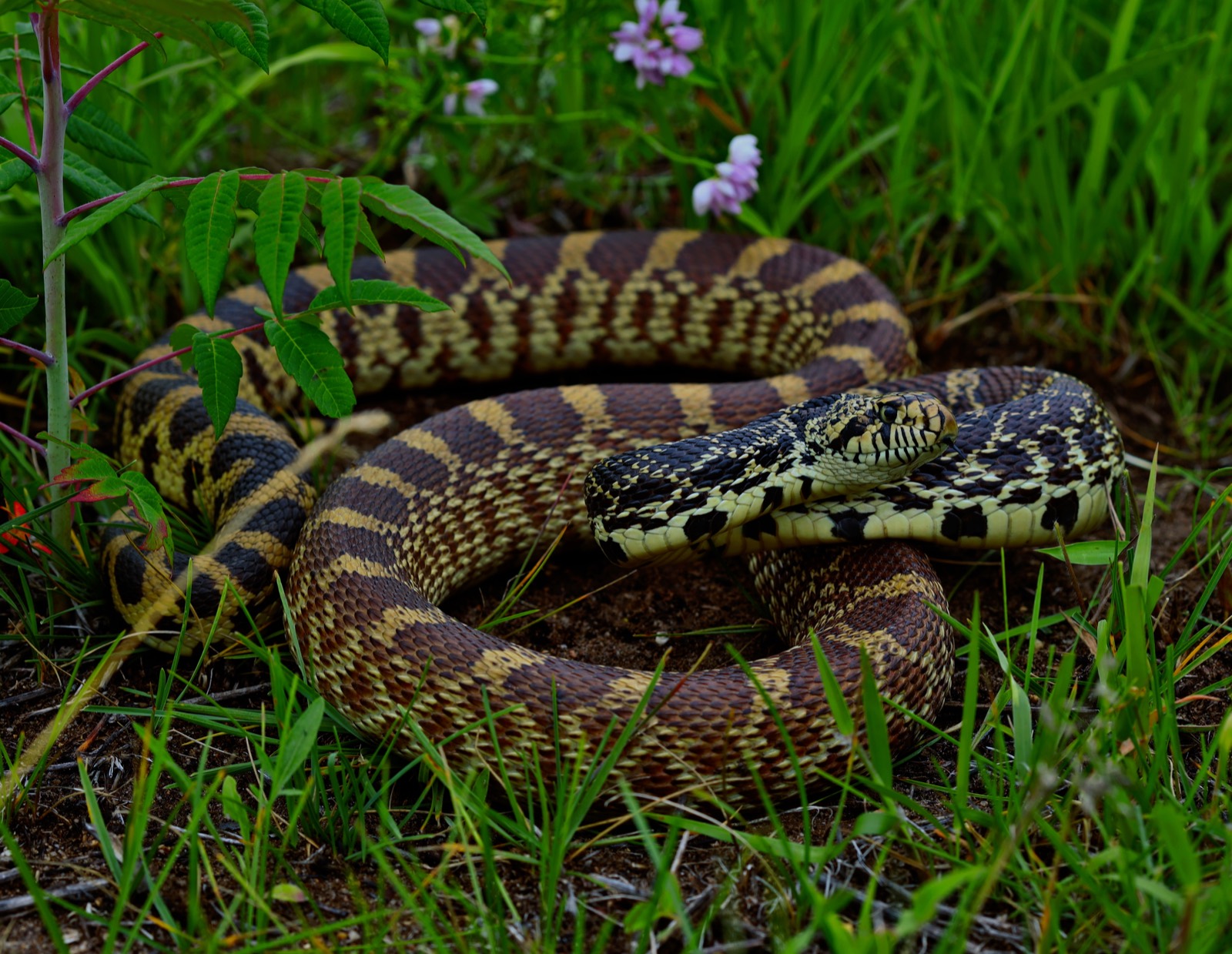
If the snake remains visible, take one photo from outside striking distance and include the hive stand, boxes, ground cover, nearby water or equipment, and visible body pattern. Do not remove covers or slide boxes for a better angle. A context photo helps SerpentID without putting hands near the hive base.
SerpentID can help compare visible markings, but beehive encounters should stay conservative because protective gear can reduce visibility and dexterity. If the app suggests a venomous possibility, the snake is under the stand, or hive work cannot wait, contact local wildlife help. Afterward, trim grass around stands, reduce rodent shelter, keep equipment elevated, and inspect the base before opening boxes.