


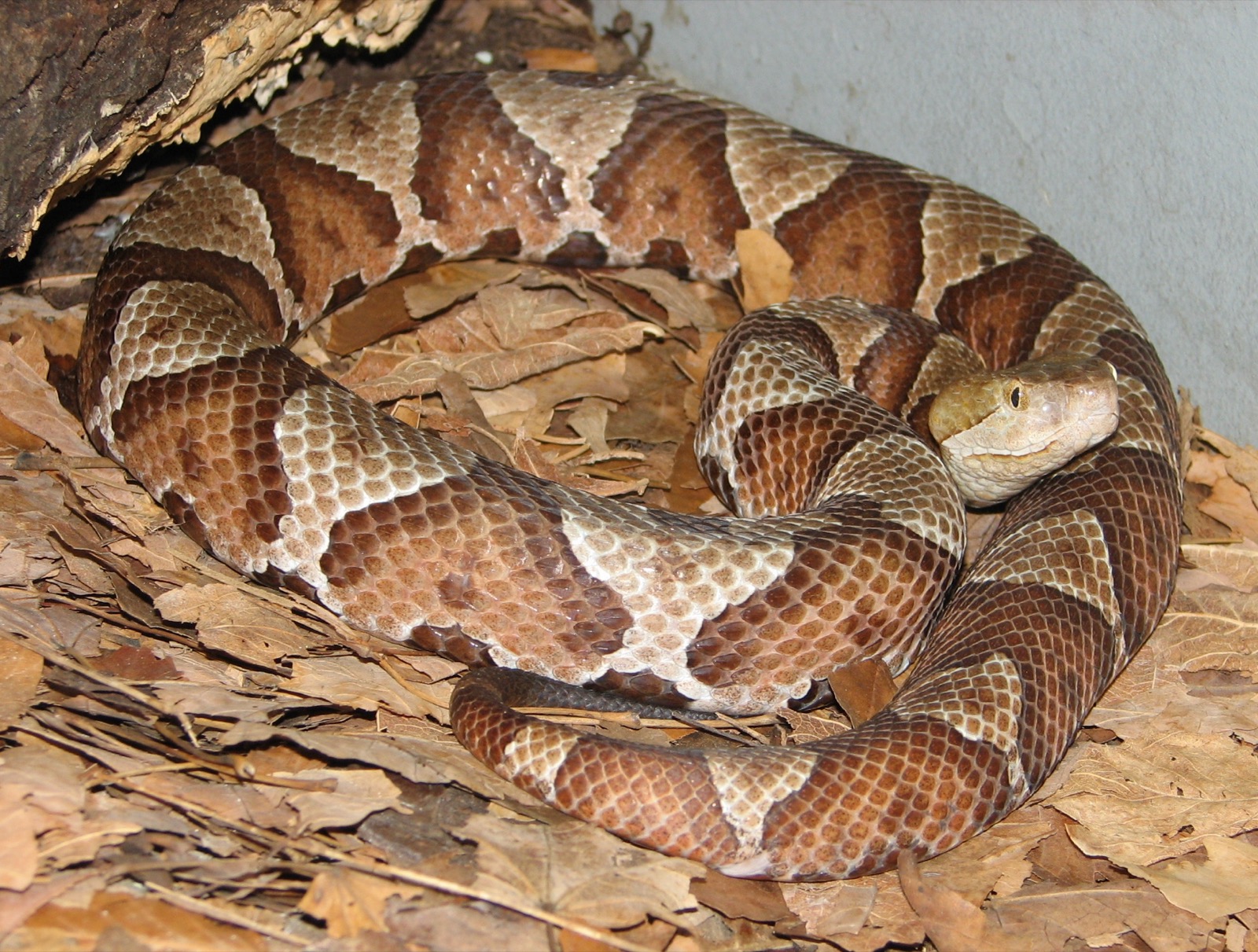
Snake near basement door what to do is a high-intent home safety search because the animal is close to a threshold, stairwell, bulkhead, or cellar entrance that can lead indoors. Stop using that door, keep people and pets away from both sides of the entrance, and leave the door closed if you can do so safely.
Do not step down into a stairwell, reach around the door sweep, move storage bins, or prop the door open to see where the snake goes. Avoid sweeping it away with a broom from close range. Basement entries often create corners, drains, leaves, and shadows that make the animal's position hard to track.
Basement doors attract snakes indirectly through cool shade, moisture, insects, rodents, leaf litter, gaps below thresholds, foundation cracks, and stored items near the entrance. A snake at the door may be following the wall line, hunting near a drain, or using the stairwell as shelter during heat or rain.
If the snake is visible from a safe angle, take one photo that includes the threshold, stairwell or bulkhead, and visible body pattern. Do not open the basement door from inside for a clearer view if you cannot confirm where the snake is outside. Keep the route contained rather than creating a new indoor path.
SerpentID can help compare visible markings, but basement-door encounters should stay conservative because a small movement can change an outdoor sighting into an indoor search. If the app suggests a venomous possibility, the snake is pressed against the threshold, or you cannot confirm whether it entered, contact local wildlife help. Afterward, clear leaves, improve drainage, repair door sweeps, seal foundation gaps, and keep storage away from the entry.