


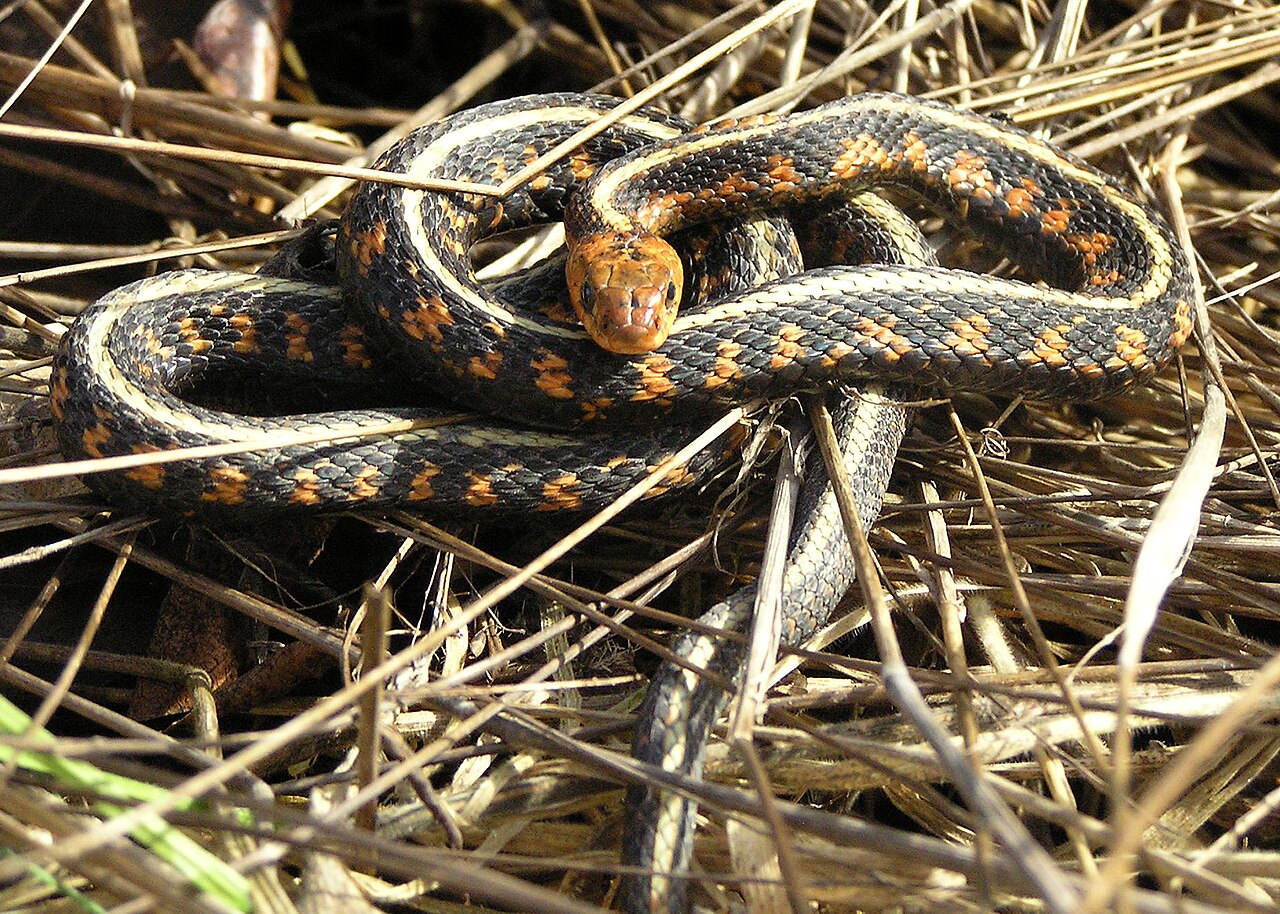
Finding a snake inside your tent can be a terrifying experience, but understanding why the snake is there can help you resolve the situation safely. Snakes do not view tents as human dwellings; instead, they see them as dark, secure, and climate-controlled cavities that offer protection from predators and extreme weather. A tent left unzipped even slightly during the day or evening presents a perfect crawling space for a passing reptile looking for a quiet spot to rest, shed, or thermoregulate.
The absolute first rule when encountering a snake in your tent is to avoid panicking or making sudden, aggressive movements. Snakes are highly sensitive to movement and vibration, and thrashing around in a confined space will likely trigger their natural defense mechanisms. Slowly back away from the snake and exit the tent immediately if you can do so safely, ensuring you do not step directly on or near the animal. If the snake is blocking the main exit, use a sleeping pad or backpack as a gentle barrier between you and the snake while you slowly work to unzip another opening.
Once you have safely stepped outside the tent, your goal is to encourage the snake to leave on its own. Unzip the tent door completely all the way to the ground floor so there is no raised fabric lip blocking the snake's path out. You can then gently tap the outside walls of the tent with a stick or shoe from a safe distance, as the vibrations will often prompt the snake to seek a quieter environment. Never reach inside with your hands, and avoid using long sticks to poke or pin the snake, which can easily cause it to strike defensively.
It is a common myth that snakes enter tents to attack sleeping humans, but the reality is that they are simply seeking resource-rich microclimates. Preventing these encounters in the first place is far easier than dealing with an unwanted guest in the middle of the night. Always keep your tent zipped completely shut at all times, even when you are just stepping away for a few minutes to gather firewood or fetch water. Additionally, shake out your sleeping bag, boots, and extra clothing before using them, as these items mimic the natural crevices and hollows that snakes love to hide in.
If the snake refuses to leave the tent on its own or if you are unsure whether the species is venomous, do not attempt to handle or relocate it yourself. Instead, take a clear photograph from a safe distance outside the tent and let SerpentID compare the markings against likely local species to help you make an informed decision. If the snake is identified as a venomous species, keep your distance and contact local park rangers, camp hosts, or wildlife services to safely resolve the situation.