


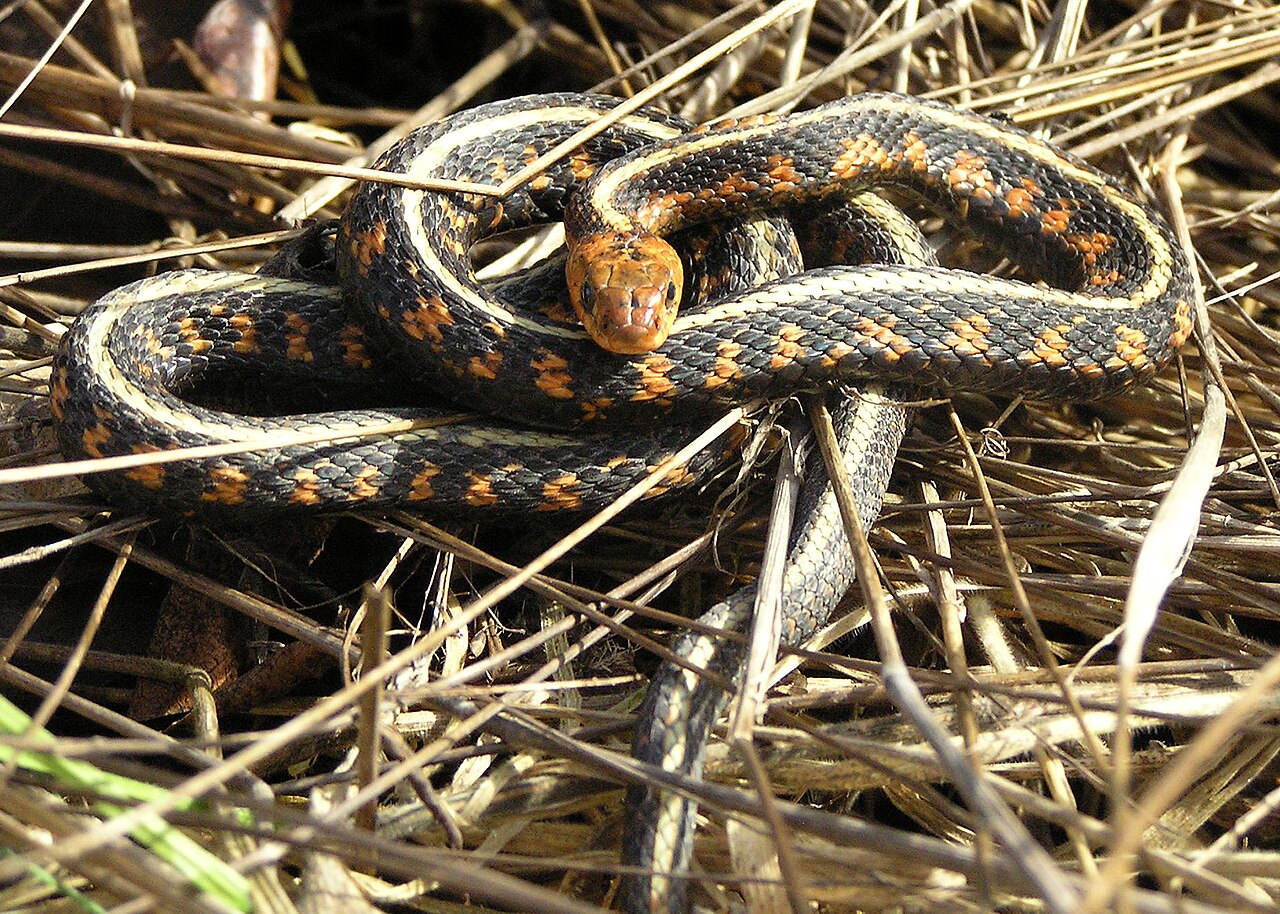
The shock of finding a snake in your bed is immense, but the most crucial response is to remain calm and still. Sudden movements can startle a snake, prompting a defensive reaction. Observe the snake from a safe distance, noting its position, and prioritize your immediate safety by slowly and quietly exiting the bed and then the room. Do not attempt to interact with it or move it yourself.
Snakes typically enter homes and beds for a few simple reasons: seeking warmth, shelter, or following prey like rodents or insects. Your bed, especially if recently vacated, offers a warm, dark, and secluded spot. It's not seeking you out, but rather a comfortable hiding place. Understanding this can help reduce panic, as it underscores that the snake is likely as surprised by your presence as you are by its.
Once you've safely exited the bed and room, the next step is to contain the snake. If possible, close the bedroom door, placing a towel or blanket at the bottom to block any gaps. This prevents the snake from moving to other areas of your home. If the snake is in a position where it can be easily observed without re-entering the room, take a clear photo from a safe distance for identification purposes.
With the snake contained, use your phone to capture a clear, well-lit photograph from a safe distance, if you haven't already. This image is invaluable for identifying the species. SerpentID can help compare its markings against local species, informing whether it's a harmless garden snake or a potentially venomous one. Never get close to try and identify it, especially if you are unsure of its type.
It is paramount never to attempt to handle, capture, or kill the snake yourself. Even non-venomous snakes can bite when threatened, and a bite from an unidentified snake can cause unnecessary distress and potential medical issues. Furthermore, attempting to harm a snake can put you at greater risk of being bitten and may be illegal depending on local wildlife protection laws.
For any snake found indoors, especially in such a personal space, contacting professional help is the safest and most responsible course of action. Reach out to local animal control, a licensed wildlife remover, or a professional herpetologist. They have the expertise and equipment to safely remove the snake and can offer advice on preventing future encounters.
Finding a snake in your bed is a rare but memorable experience. Remember that snakes are not inherently aggressive and are usually more interested in escaping than confronting you. Your priority should always be safety. If you encounter a snake, photograph it from a safe distance, and let SerpentID help you identify it. If it's venomous, or if you're unsure, contact local wildlife services immediately for safe removal.