


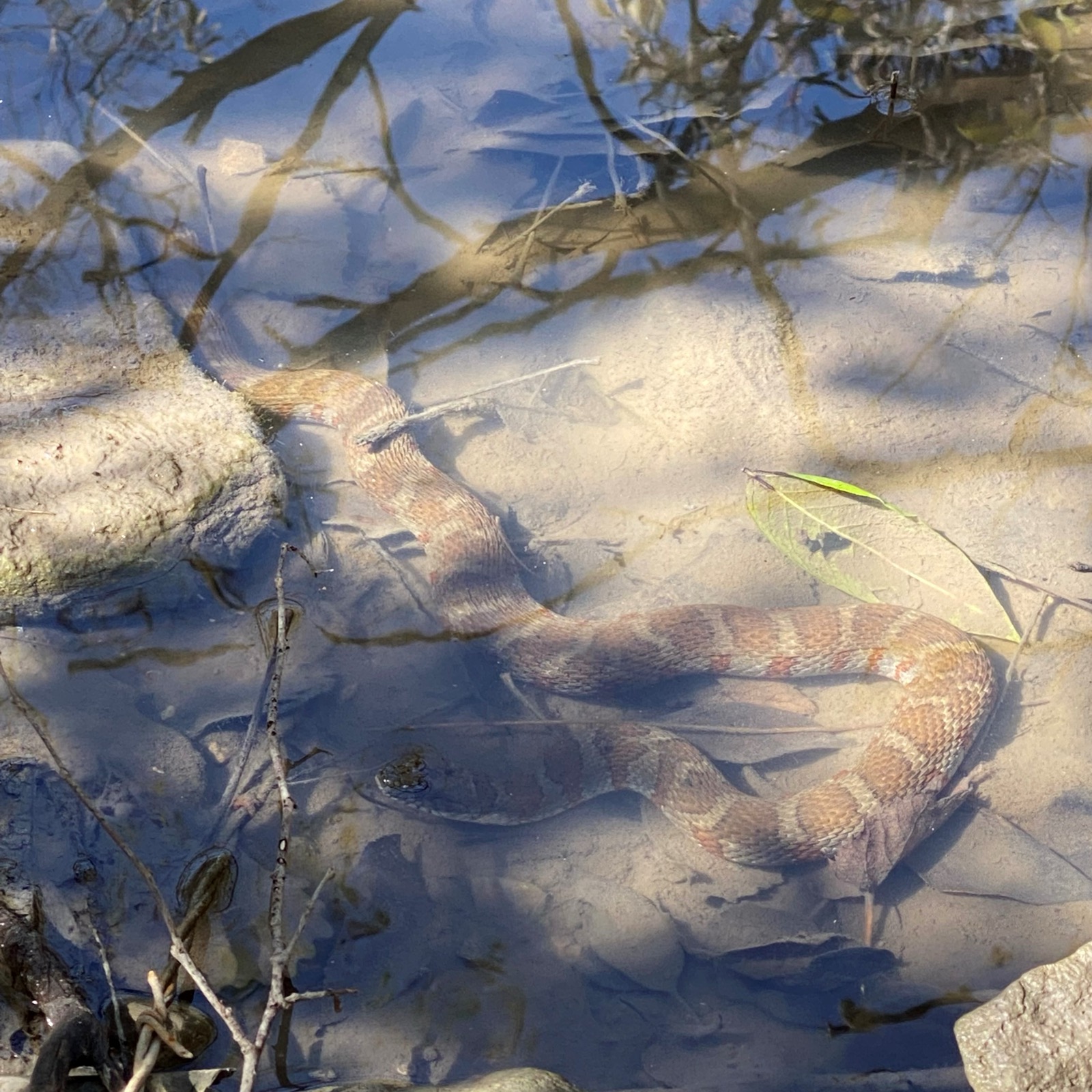
Discovering a snake near or inside a water well casing, well house, or underground pump pit can immediately raise concerns about water safety and personal injury. Well infrastructure provides an ideal sanctuary for reptiles because it offers cool temperatures, high humidity, dark cover, and frequent access to mice or frogs. However, finding a snake in these spaces requires a calm, deliberate approach to protect both your household water supply and yourself from a potential bite.
Your immediate priority is to stop all physical contact with the well equipment and keep human hands away from dark corners, pipes, and pit walls. If the well uses a manual pump or exposed valves, do not reach into shadow-covered gaps to turn handles or clear debris. Snakes resting in pump houses or shallow pits often coil tightly against warm electrical components or damp concrete walls, relying on camouflage and striking defensively only when an unexpected hand reaches into their hiding spot.
Assess where the snake is actually located relative to your drinking water supply. Modern drilled wells feature sealed cap casings that prevent animals from physically dropping down into the deep groundwater column. If the snake is merely resting inside an above-ground well house, on top of the concrete pad, or around the pressure tank, it has zero direct contact with your drinking water. In these cases, simply opening the door of an above-ground shelter from a safe distance during daylight hours will often allow the reptile to leave on its own.
If a snake has fallen into an older dug well, hand-dug pit, or an uncapped pipe that exposes open water, do not drink or use the water until the situation is resolved. A live snake swimming on the surface of a deep shaft cannot easily climb smooth pipe casing or concrete walls, making rescue or professional removal necessary. Attempting to scoop a live snake out with a bucket or net from above carries a significant risk of dropping the animal back in or causing it to bite out of panic.
Property owners should never pour chemicals, bleaches, fuels, or commercial repellents down a well shaft or around wellheads to force a snake out. These substances destroy groundwater quality, damage pumping equipment, and rarely affect the snake's willingness or physical ability to climb out. Instead, clear away tall weeds, brush piles, and stacked lumber within twenty feet of the well casing to eliminate the rodent habitat and secondary cover that drew the reptile to the area in the first place.
Before attempting any removal or calling local services, take a clear photograph of the snake from a safe distance using your phone's zoom lens. You can upload the image to SerpentID to quickly compare its physical features against local venomous and harmless species in your region. If the photo reveals a venomous species or if the snake is trapped deep within essential equipment, contact a licensed wildlife control operator or a professional well service technician to handle the situation safely.