


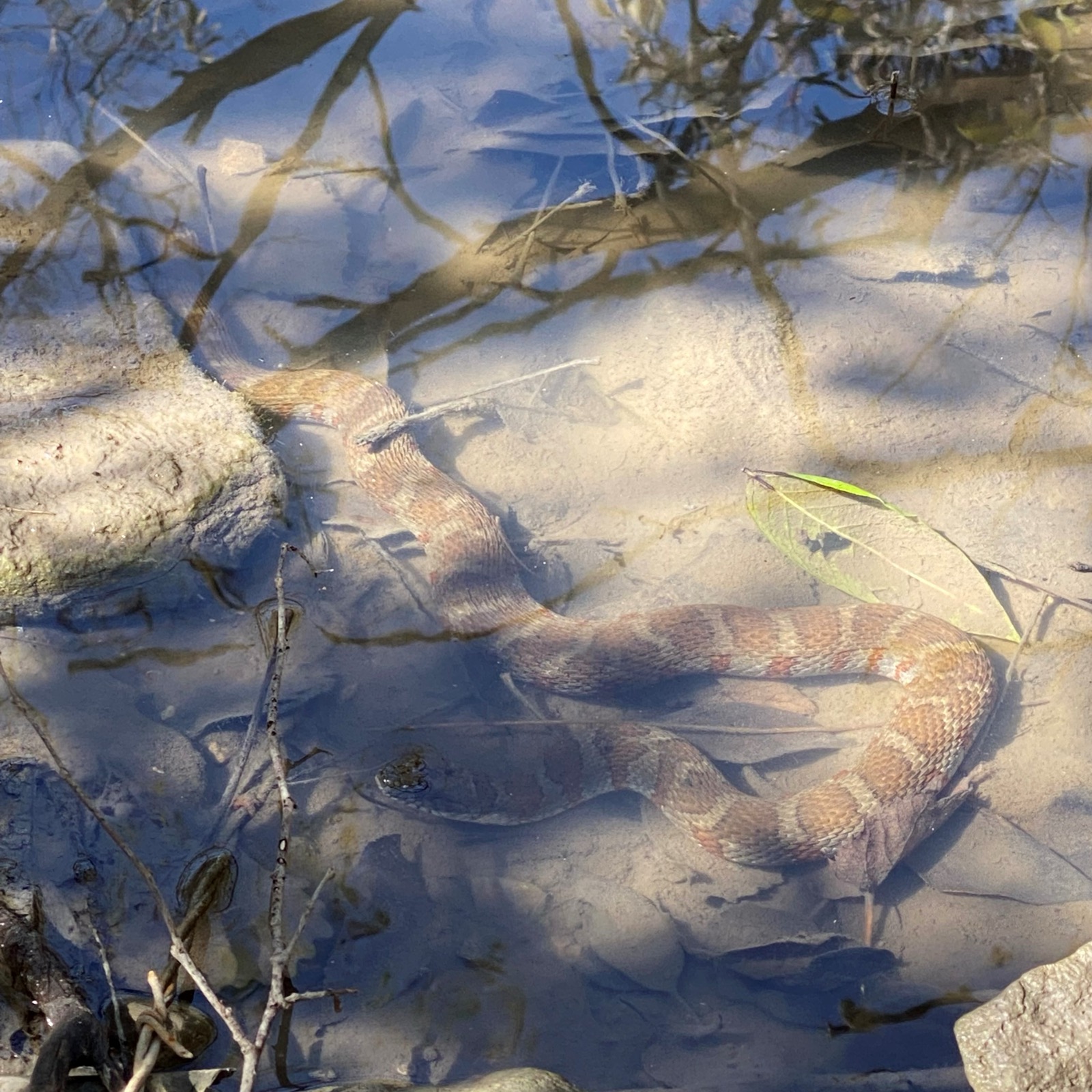
Finding a snake in or around a washing machine is more common than most people expect, especially in homes with outdoor or garage laundries. Snake catchers in Australia regularly pull pythons and other snakes from laundry areas, and homeowners in India often find rat snakes, and sometimes venomous species, in ground-level utility rooms. In the United States, rat snakes, garter snakes, and other common species turn up in basement and garage laundries. The snake is not there to hunt people. It is there because the space offers what snakes look for: shelter, warmth, moisture, and often a steady supply of mice drawn to lint, pet food, and stored items.
The most important first step is what you do not do. Do not start a wash cycle to flush the snake out. Running the machine will not make the snake leave in a predictable direction. It can push the animal deeper into the cabinet, into the base, or out through a gap toward you, and it can injure or kill a snake that is protected wildlife in many places. Do not reach into the drum, lift wet clothes by hand, or pull the machine away from the wall to get a better look. Each of those actions brings your hands and feet within striking range of an animal you cannot see clearly, and a snake that feels cornered in a tight space is far more likely to bite defensively than one that has room to retreat.
Instead, back away calmly and keep children and pets out of the room. If the laundry has a door you can close without walking past the snake, close it, and lay a rolled towel along the gap at the bottom to slow the snake from slipping into the rest of the house. If the lid of a top-loader is already open and the snake is visible inside the drum, resist the urge to slam it shut, since that means leaning over the opening. Do not try to switch off power at an outlet tucked behind the machine. Note where you last saw the snake, how large it looked, and any colors or bands you noticed from a distance, because that information helps a responder plan the removal.
Washing machines have several hiding spots that are easy to overlook. Snakes may coil under the drum of a front-loader, inside the hollow kickplate area at the base, behind the cabinet among the inlet hoses and drain line, or in the space between the machine and the wall. Laundry baskets, piles of towels, and clothes left on the floor are just as attractive, so treat everything nearby as a possible hiding place until the room has been checked. A professional snake catcher or wildlife officer has the tools and training to tilt or open the machine safely, and in many regions it is the only legal way to deal with protected species. If you are unsure who to call, your local wildlife agency, animal control, or forest department can usually point you to a licensed responder.
Once the snake has been removed, focus on why it came in. Common entry points include gaps around the drain standpipe and hose openings where they pass through the wall, unsealed holes for gas or electrical lines, worn door sweeps on exterior laundry doors, and open vents or floor drains. Sealing gaps with appropriate materials such as hardware cloth, metal mesh, or exterior-grade sealant, fitting tight door sweeps, and keeping laundry doors closed at night all reduce the chances of a repeat visit. Controlling rodents matters just as much, so store pet food and bird seed in sealed containers and clear clutter where mice can nest. Keeping clothes off the floor and giving garments left outside a careful look before you pick them up are simple habits that lower the risk of an unexpected encounter.
If anyone is bitten during an encounter, seek professional medical help immediately, even if the snake seemed small or harmless. For everything short of an emergency, a clear photo is your best tool. From the doorway or another safe distance, take a picture of the snake without moving closer, using zoom rather than your feet, and let SerpentID compare its markings against the species most likely to live in your area. Knowing whether you are dealing with a harmless rat snake, a python, or a venomous species helps you describe the situation accurately when you call for help. If the snake may be venomous, keep everyone out of the room and contact your local wildlife service or a licensed snake catcher to handle the removal.