


Snake in wall what to do is different from seeing a snake on the floor because you may be dealing with sound, a partial glimpse, or movement inside a cavity. Wall gaps, utility chases, vents, baseboards, and unfinished spaces can hide the animal while also hiding the safest route out.
Do not remove a vent cover, cut drywall, pull trim, or reach into a gap by hand just because you heard movement. Keep children and pets away from the room, mark the last known location, and look for visible openings near baseboards, pipe penetrations, attic access, crawl-space edges, or garage walls. The goal is to identify likely travel paths without creating a close-range surprise.
Snakes use wall-adjacent spaces indirectly when those spaces connect to prey routes, warmth, or shelter. Rodent activity, loose siding, foundation gaps, unsealed utility lines, and cluttered garages can all lead to a wall cavity. If the sighting started near a vent or baseboard, the visible opening may be only one part of a longer hidden route.
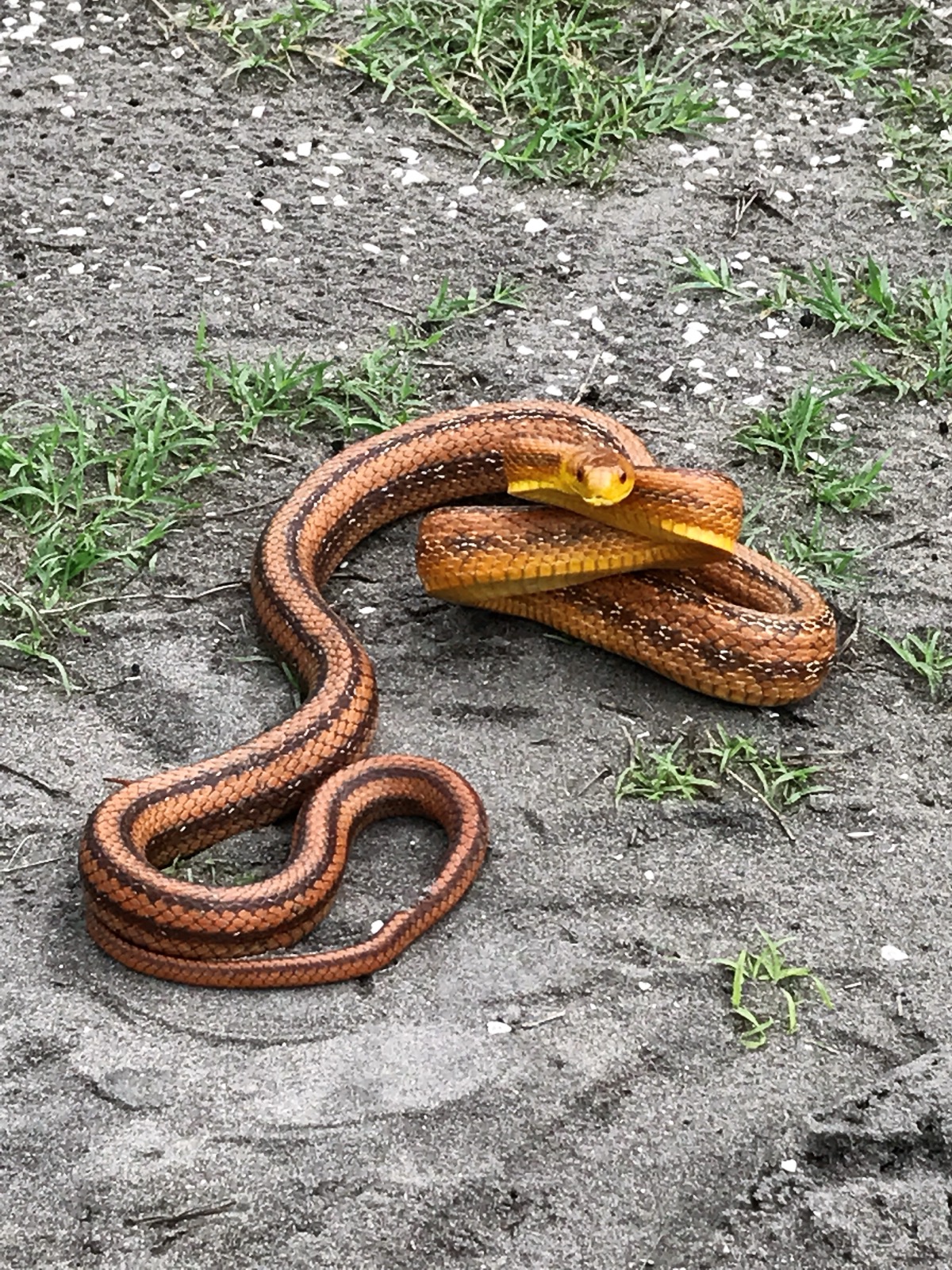
If any part of the snake is visible, take one photo from outside striking distance and avoid blocking the opening. Do not shine a phone or hand directly into a tight gap where the head position is unknown. A context photo showing the opening, wall location, and visible pattern helps more than a risky close-up inside a cavity.
SerpentID can help compare visible body sections, but wall sightings often produce partial, low-confidence images. If the app suggests a venomous possibility, the snake remains inside a living space, or drywall or utility access is required, contact local wildlife help or a qualified property professional. After the scene is clear, seal exterior gaps, address rodents, and repair wall openings so the route does not stay available.