


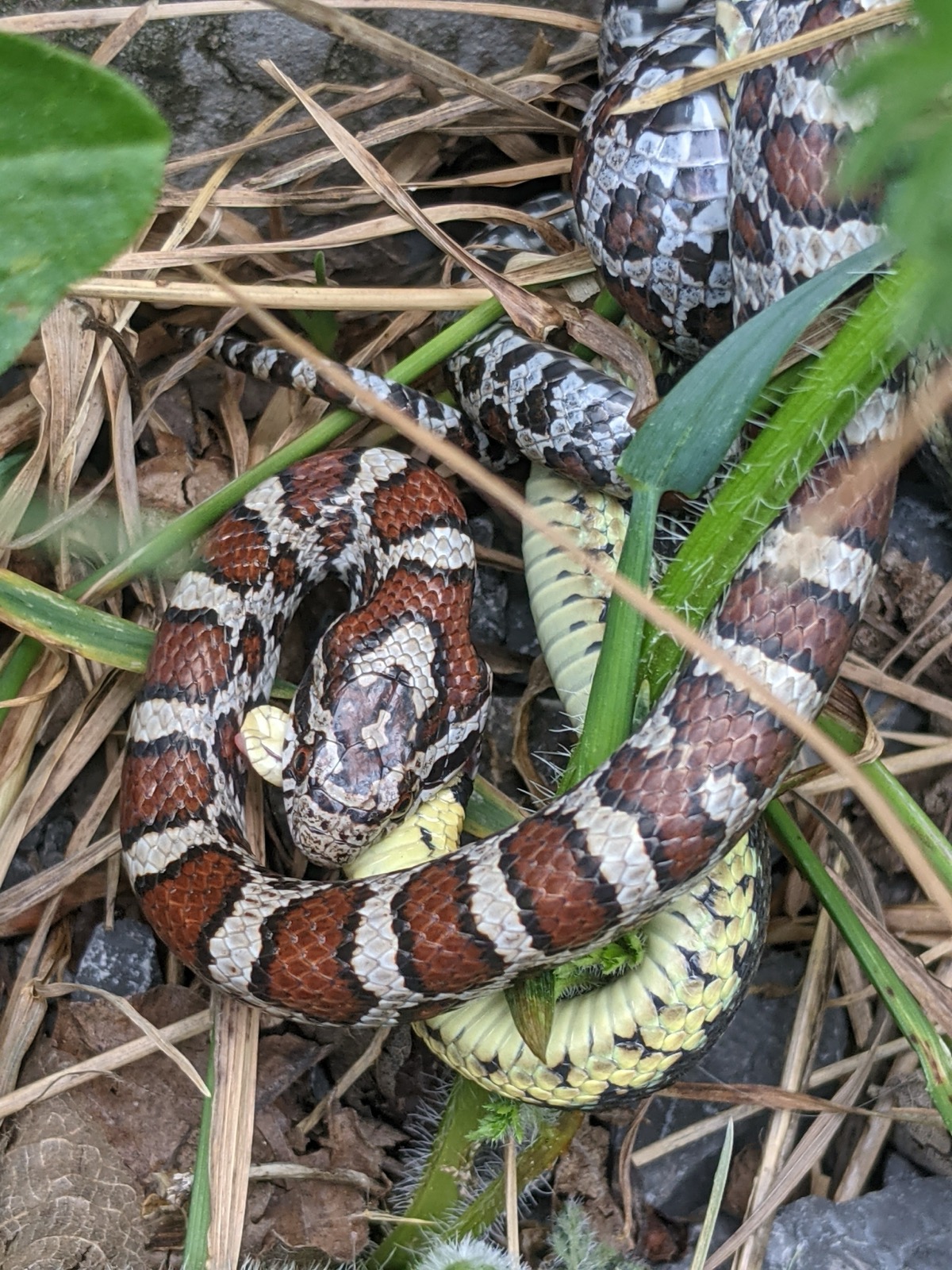
Basement window wells are essential for letting natural light into subterranean rooms, but to ground-dwelling wildlife, they function almost like natural pitfall traps. Snakes hunting for mice, seeking cool shade, or simply moving along the perimeter of your house foundation can easily slip over the rim and drop into the metal or concrete basin. Once inside, the steep, slick vertical walls prevent most snakes from climbing back out, leaving them trapped in a confined space directly adjacent to your home.
The most critical rule when discovering a snake in a window well is never to reach blindly inside or attempt to scoop it out with your hands. Because the animal feels completely cornered and vulnerable inside the pit, its natural defensive instincts will be heightened. Even small, non-venomous snakes will strike out of self-defense when shadowed by a large predator reaching from above. Furthermore, pit vipers like copperheads and rattlesnakes frequently drop into window wells while searching for rodent burrows, making an unassisted rescue attempt extremely hazardous.
Before taking any action, inspect the window well carefully from above using a flashlight if necessary. Take note of the snake's overall color, pattern, body shape, and head structure while maintaining a safe standing position on the lawn. Look to see if there are leaf piles, debris, or basement vents inside the well where the snake might try to hide or push its way into the house. Ensure the basement window itself is completely closed and latched so the animal cannot enter your living quarters.
If you are confident that the trapped animal is a non-venomous species such as a garter snake, rat snake, or milk snake, you can easily assist its escape without touching it. Lower a long wooden board, sturdy tree branch, or textured plank into the window well at a gentle incline, extending from the bottom of the pit up over the top edge. Leave the area quiet and undisturbed for several hours or overnight; given a rough surface for traction, harmless snakes will climb out on their own under cover of darkness.
To prevent future animals from becoming trapped, consider installing commercially available egress window well covers made of durable polycarbonate or mesh. Mesh or solid covers keep out snakes, frogs, small mammals, and yard debris while still allowing sunlight to reach your basement windows. Regularly clearing leaves and grass clippings from around the edges of your foundation also reduces the prey insects and rodents that attract searching snakes to your perimeter in the first place.
When you encounter an unfamiliar snake in a window well, a clear photograph taken from above can help you determine the safest next step. You can upload your photo to SerpentID to quickly compare its physical features against local venomous and harmless species in your region. If the snake proves to be venomous or if you remain uncertain about its identity, keep children and pets away from the window well and contact local animal control or a licensed wildlife removal specialist to handle the situation safely.