


Hearing something moving inside a wall is unsettling, and finding a shed skin or a snake disappearing into a gap near the baseboard makes it worse. The good news is that a snake in a wall is usually not a sign of an infestation or a nest of dozens of snakes. In most cases a single snake has followed a rodent trail or found a warm, sheltered cavity through a gap in the foundation, siding, utility penetrations, or roofline. The most important thing to know up front is that the common panic responses, cutting into drywall, spraying something into the cavity, or sealing the hole right away, tend to make the situation more dangerous or more unpleasant, not less.
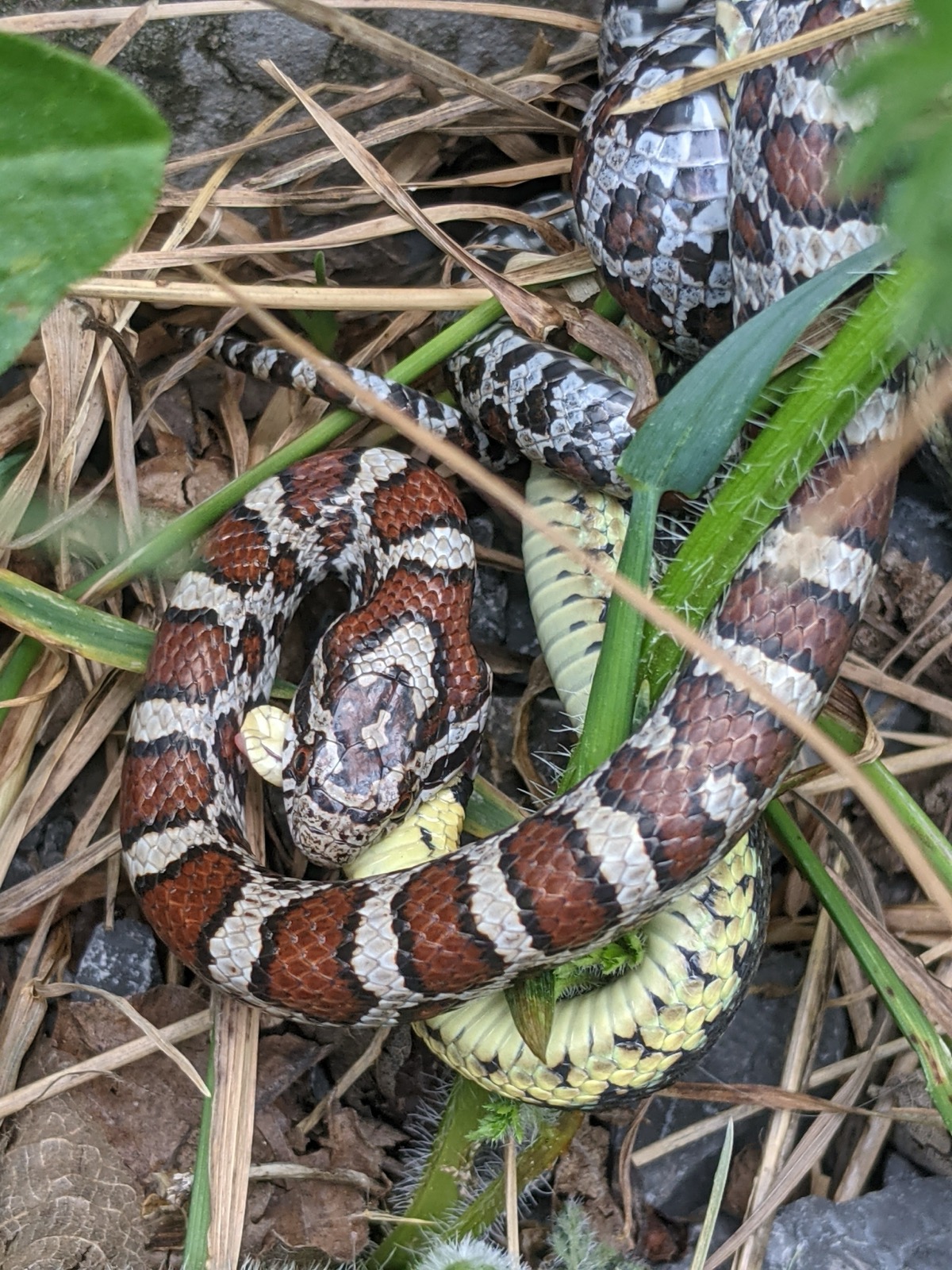
Before assuming a snake, it helps to consider what else lives in walls. Scratching, gnawing, and scurrying sounds, especially at night, are far more typical of mice, rats, or squirrels. Snakes move quietly and do not scratch or chew; at most you may hear a soft sliding or rustling sound. Stronger evidence of a snake includes a shed skin near a gap or vent, a snake seen entering or leaving an opening, or a musky odor. Rodent activity and snake activity often go together, because rodents are exactly what many wall-visiting snakes are hunting. In the United States this is frequently a rat snake or milk snake, in Australia carpet pythons and other species commonly use roof and wall voids, and in India rat snakes and sometimes cobras enter homes in search of rodents.
Once you suspect a snake, keep children and pets out of that room and close the door if you can. Do not cut a hole in the drywall to look inside. Opening a wall puts your hands and face directly beside an animal you cannot see, and you cannot know in advance whether it is harmless or venomous. Do not spray insecticides, bleach, ammonia, or so-called snake repellents into the cavity either. Repellent products have little evidence behind them, chemicals can harm you and your family in an enclosed space, and a stressed snake is more likely to move unpredictably, possibly deeper into the house rather than out of it.
It is also a mistake to seal the entry hole as soon as you find it. If the snake is still inside, sealing it in can leave it wandering into other rooms looking for an exit, or dying inside the wall, which leads to a strong odor that is difficult to remove without opening the wall anyway. Glue traps are another common shortcut to avoid; they cause serious suffering to snakes and nontarget animals, and freeing a snake from one is a job for a professional, not a homeowner. Never try to pull a snake out of a gap by its tail, since that risks injuring the animal and invites a defensive bite.
The safest move is to call a licensed wildlife removal company, your state or local wildlife agency, or, in Australia and India, a registered snake catcher or rescue network. These professionals can confirm whether a snake is actually present, identify the species, and in many cases install a one-way exclusion device over the entry point so the snake can leave but not return. While you wait, you can help by noting where you saw it, what it looked like, and roughly what time activity occurs. Many snakes in walls leave on their own once the temperature or food supply changes, which is why patience paired with professional help usually works better than force.
After the snake is confirmed gone, the long-term fix is about access and food. Seal gaps around pipes, cables, dryer and AC lines, foundation cracks, and loose siding with appropriate materials such as hardware cloth, mesh, or sealant, and fit door sweeps where light shows underneath. Address any rodent problem, because a house full of mice will keep attracting predators no matter how well you patch one hole. Outside, reduce cover near the foundation by trimming dense vegetation, moving woodpiles and clutter away from the walls, and storing pet food and birdseed in sealed containers.
If you get a look at the snake, whether it is poking out of a vent or crossing the floor near a gap, resist the urge to get closer. Photograph it from a safe distance, at least several feet away, and let SerpentID compare its markings, scale pattern, and body shape against the species most likely in your area. Knowing whether you are dealing with a harmless rodent hunter or a venomous species helps you describe the situation clearly when you call for help. If the snake is identified as venomous, or you are unsure, keep everyone away and contact local wildlife services or a licensed snake catcher. If anyone is bitten, seek professional medical help immediately.