


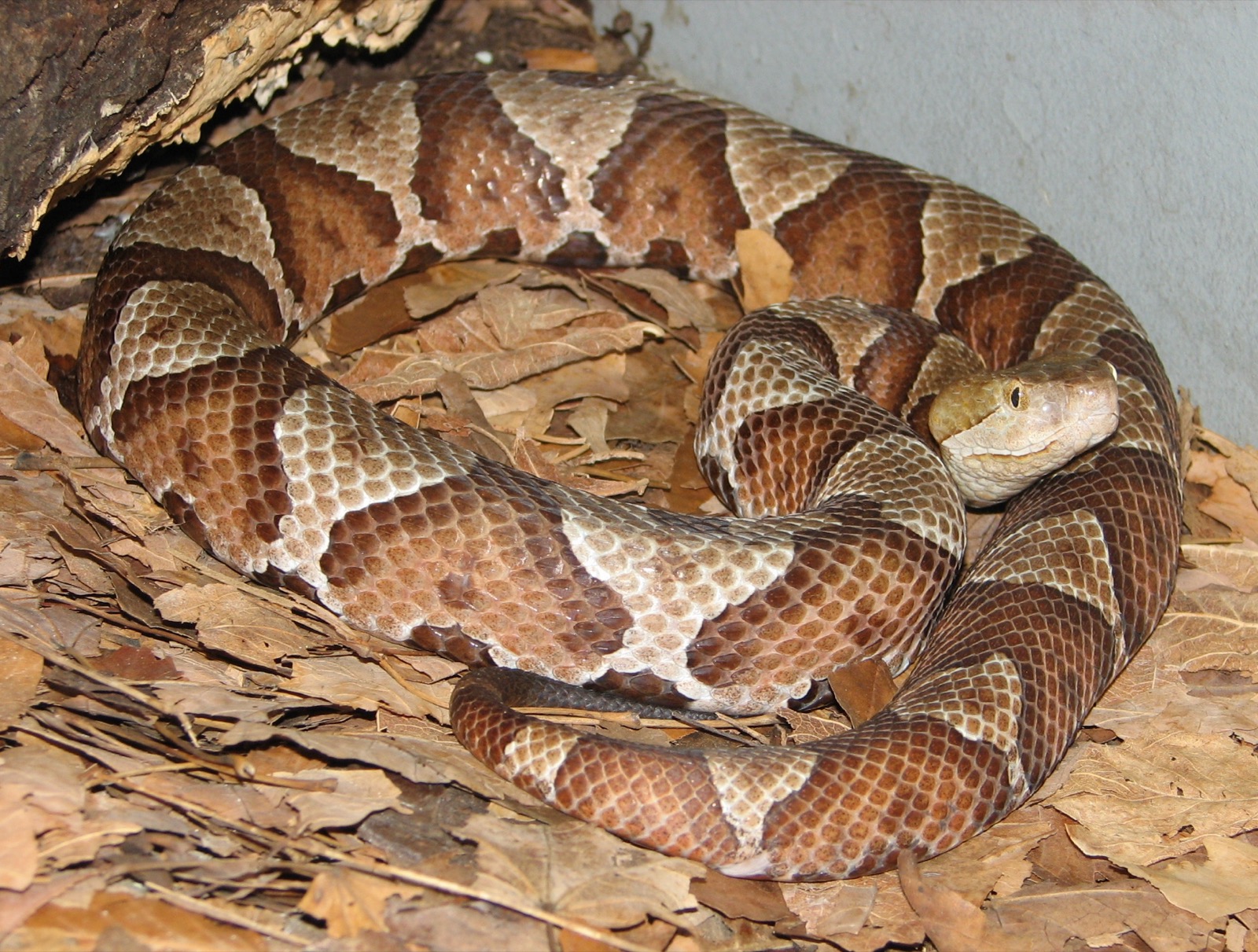
Discovering a snake under your deck or nestled among items in an underdeck storage area is a common occurrence for homeowners during warmer months. Decks create a ideal microclimate for reptiles because the space underneath remains shaded, cool, and shielded from overhead predators like hawks and owls. Additionally, structural supports and stored items such as patio cushions, lawn mowers, or plastic bins provide ideal cover and often attract small rodents, frogs, or insects that snakes target for food.
If you spot a snake in your underdeck area, your immediate reaction should be to freeze and step back slowly to create a buffer zone of at least six feet. Snakes do not view humans as prey and will almost always remain still or attempt to retreat further into cover when startled. Panic, sudden movements, or poking at the reptile with brooms or garden tools are the leading causes of accidental bites, as the snake will feel cornered and resort to striking defensively.
Once you have established a safe distance, secure the perimeter by keeping dogs, cats, and young children far away from the deck area. If the snake is inside a enclosed underdeck storage cabinet or shed, leave the door wide open, step away, and monitor the area from a distance. Given a clear and unblocked pathway, most snakes will quietly leave the shelter once they feel the immediate presence of humans or pets has subsided.
To manage the space safely going forward, try to identify what attracted the snake to your underdeck area in the first place. Stacks of firewood, piles of autumn leaves, unsealed trash cans, and cluttered plastic storage bins create ideal nesting harborage for rodents and cold-blooded reptiles alike. Elevating stored items off the ground, tidying loose debris, and sealing gaps along the house foundation or deck lattice with heavy-duty wire mesh can significantly reduce the likelihood of another serpent taking up residence.
Never attempt to reach into dark underdeck corners, grab stored boxes blind, or handle an unfamiliar snake with your bare hands or household tools. Instead, take a clear, well-lit photograph from a safe distance using the zoom function on your phone camera, and upload it to SerpentID so our automated system can analyze scale patterns and bodily markings to help distinguish harmless yard species from venomous ones. If the photograph suggests a venomous snake or if the animal refuses to leave an essential living space, contact a licensed local wildlife removal professional to relocate the reptile safely.