


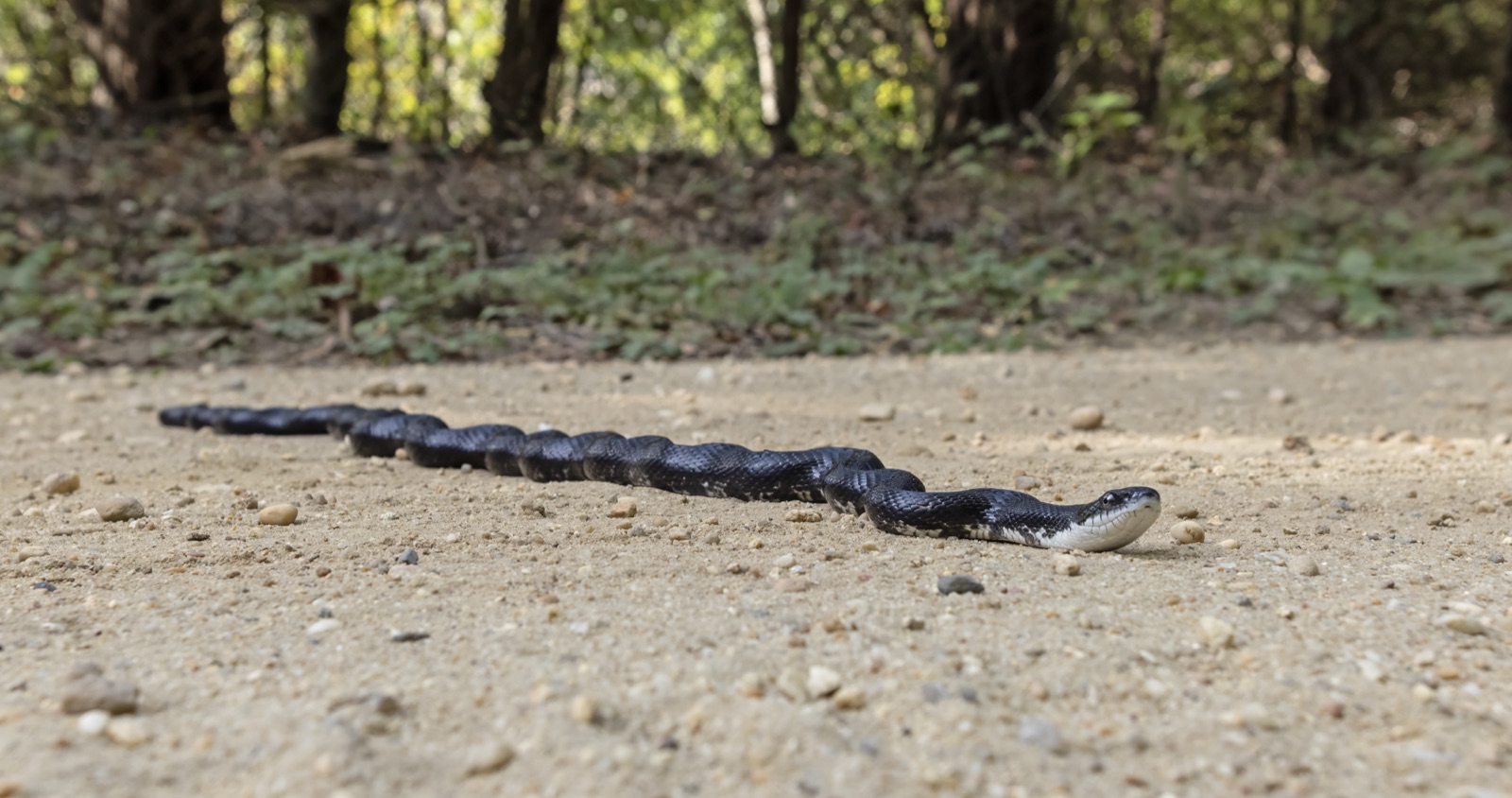
The area beneath elevated decks and dedicated underdeck storage bays creates a prime environment for local wildlife. Shadows, concrete footings, accumulated leaf litter, and plastic storage totes offer consistent shelter from predators and extreme weather. For cold-blooded reptiles, these low-traffic zones provide an ideal thermal sanctuary during scorching summer days or cool, rainy afternoons. Furthermore, the elevated flooring above traps warmth while keeping the ground beneath damp, attracting mice, lizards, and toad populations that serve as a steady food supply for predatory snakes.
Encountering a snake while reaching for lawn tools or outdoor cushions can be startling, but your immediate reaction determines how the situation unfolds. Most snakes are defensive rather than aggressive and will only strike if they feel cornered, stepped on, or directly threatened. If you notice a serpent tucked between storage bins or coiled near the deck supports, freeze instantly and refrain from poking it with sticks, spraying it with a hose, or trying to trap it. Slowly back out of the underdeck space and leave any doors or access panels open so the animal has an unimpeded path to escape.
Understanding why the snake selected your underdeck area in the first place is the key to preventing long-term residency. Homeowners frequently use underdeck zones to stockpile firewood, store seasonal gear, or keep trash cans out of sight. These dense clusters of boxes, tarps, and lumber create dark, artificial caves that hold moisture and block wind. Eliminating this shelter by raising firewood off the ground, organizing storage into sealed heavy-duty plastic tubs, and sweeping out trapped leaves removes the physical hiding spots that make the area attractive to both snakes and the rodents they hunt.
If you need the snake moved immediately—particularly if young children or pets frequent the surrounding yard—avoid trying to handle the reptile yourself. Attempting to kill or physically relocate a snake dramatically increases the risk of a defensive bite, which can be dangerous if the species is venomous. Instead, monitor the area from a safe distance to ensure the snake stays in view until a professional can step in. Keeping pets indoors and securing the perimeter of the deck with solid lattice or fine wire mesh after the snake leaves will help prevent future entries.
When you spot a snake in your underdeck storage, snapshot a clear photograph from a safe distance and upload it to SerpentID. Our tool compares subtle visual features, scale textures, and local geographic data to help you confirm whether the animal is a harmless rodent hunter or a venomous species requiring professional intervention. If the snake proves to be venomous or refuses to relocate on its own, contact your local wildlife management agency or animal control service to handle the situation safely.