


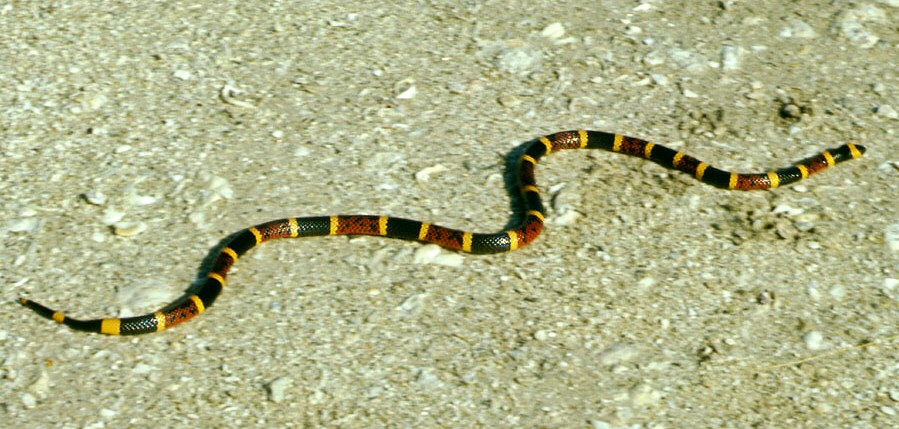
Waking up or settling in for the night to find a snake inside your sleeping bag is a terrifying thought for any camper, but understanding why it happens can help you handle the situation safely. Snakes are ectothermic animals, meaning they rely on environmental heat to maintain their body temperature. During cool wilderness nights, a sleeping bag radiates a gentle, steady heat that acts like a beacon for a snake seeking warmth, while the fabric folds offer secure cover from nocturnal predators.
The single most important response when discovering a snake in your sleeping bag is to remain remarkably still. Snakes do not view humans as food, but they do react instantly to sudden movement, pressure, or physical restraint. Thrashing, screaming, or kicking your legs inside the tight fabric will compress the snake against your body, triggering a defensive bite because the animal feels cornered and crushed. Take a deep breath, keep your movements minimal, and assess how the snake is positioned relative to your body.
Once you have controlled your initial shock, focus on creating a clear, unobstructed path for yourself or the snake to exit. Slowly slide your hands toward the zipper or opening without making jerky motions. If the snake is resting near your feet or lower legs, gently peel back the top layer of the bag from your chest and carefully slide yourself upward and out. If the snake is near your upper body, ease yourself backward out of the bottom or side opening, taking care never to pin or squeeze the reptile against your clothing or the ground.
After you have safely backed out of the sleeping bag, step away several paces to establish a comfortable distance. Never reach back into the bag to pull the snake out, nor should you attempt to strike or shake the bag while standing over it. In most cases, once the heat source has moved and the bag is left undisturbed, the snake will crawl out on its own to seek a quieter hiding place. You can use a long stick or trek pole from a safe distance to gently nudging the exterior of the bag if necessary, but leaving it open and unobstructed is usually enough.
Preventing night encounters in your shelter comes down to basic campsite discipline. Always keep your tent completely zipped shut, even when leaving it for just a few minutes during the day to gather firewood or fetch water. If you are cowboy camping under the stars without a tent, keep your sleeping bag rolled up tightly inside a compression sack until the exact moment you get in, and inspect your boots, gear bags, and bedding before crawling inside for the night.
If you manage to take a clear photograph from a safe distance without disturbing the reptile, SerpentID can analyze its pattern and visual traits against common local species to determine if it is harmless or venomous. If you suspect the snake is a dangerous species or if it refuses to leave an enclosed tent area, maintain a safe buffer and contact local park rangers or wildlife authorities for assistance.