


Discovering a snake tucked neatly inside a shoe box in a closet, storage room, or garage can instantly shock any homeowner. Shoe boxes provide a dark, secure, and tightly enclosed sanctuary that appeals directly to a snake's natural instinct to seek microhabitats where it feels safe from predators and human foot traffic. Because these cardboard containers are often stored in quiet, undisturbed areas near floor level, snakes navigating gaps under doors or through foundation vents can easily slip inside to rest.
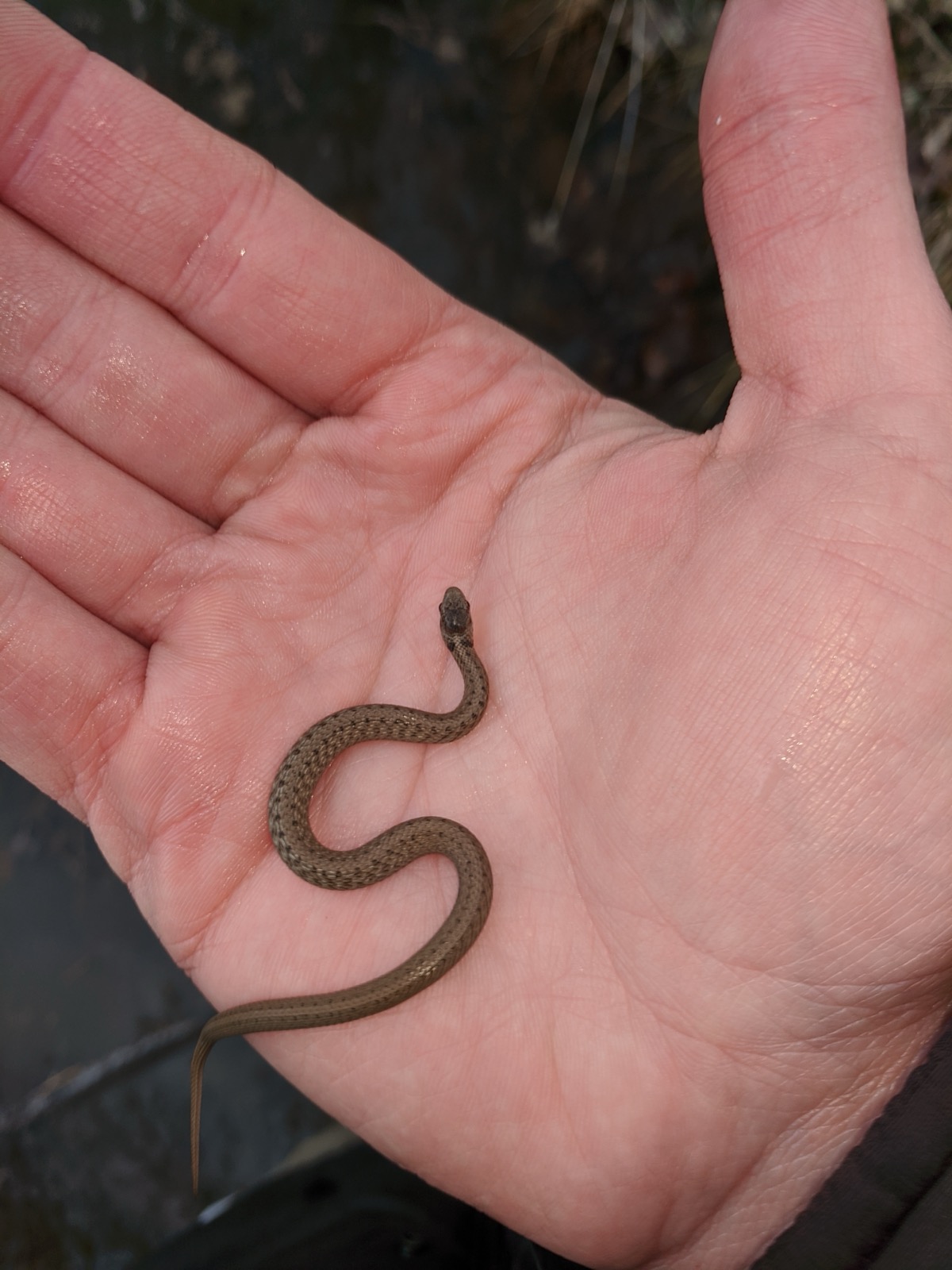
Understanding why a snake chose a shoe box helps put the encounter into perspective and reduces unnecessary panic. Snakes rely heavily on structural security to regulate their body temperature and digest meals without being disturbed. A cardboard box stored near a cool concrete wall or tucked inside a carpeted closet creates a stabilized environment free from drafts, bright lights, and sudden movement. In many domestic settings, small non-venomous species like Dekay's brown snakes, rat snakes, or garter snakes enter homes chasing small prey like insects or mice, eventually settling in the nearest secure container.
The most important rule when encountering a snake in a box is to avoid reaching inside, poking it with a stick, or trapping it abruptly by slamming the lid shut. Startled snakes naturally act defensively when cornered in tight spaces where they have no quick exit path. Reaching into a dark container puts your hands directly within a potential strike zone before you have accurately identified whether the animal is a harmless rodent hunter or a venomous species like a juvenile copperhead or rattlesnake.
Instead of attempting to move the box yourself, calmly step back several paces and clear the immediate area of family members and curious pets. If the box is located in a room with a door, gently close the door and place a rolled towel along the bottom threshold to keep the snake contained within that specific space. If the box is in an open garage or utility shed, block off access to the area while you determine your next steps, ensuring no one accidentally reaches into the box or startles the animal.
Once the area is secure and everyone is at a safe distance, snap a clear photograph of the snake using the zoom function on your smartphone. SerpentID can analyze the distinct color patterns, scale textures, and head markings visible in your image to help you quickly identify whether the visitor is a harmless native species or a venomous snake requiring expert intervention. If the snake proves to be venomous or you feel uncomfortable resolving the situation yourself, contact a professional wildlife removal specialist or local animal control service to safely relocate the box and its occupant.