


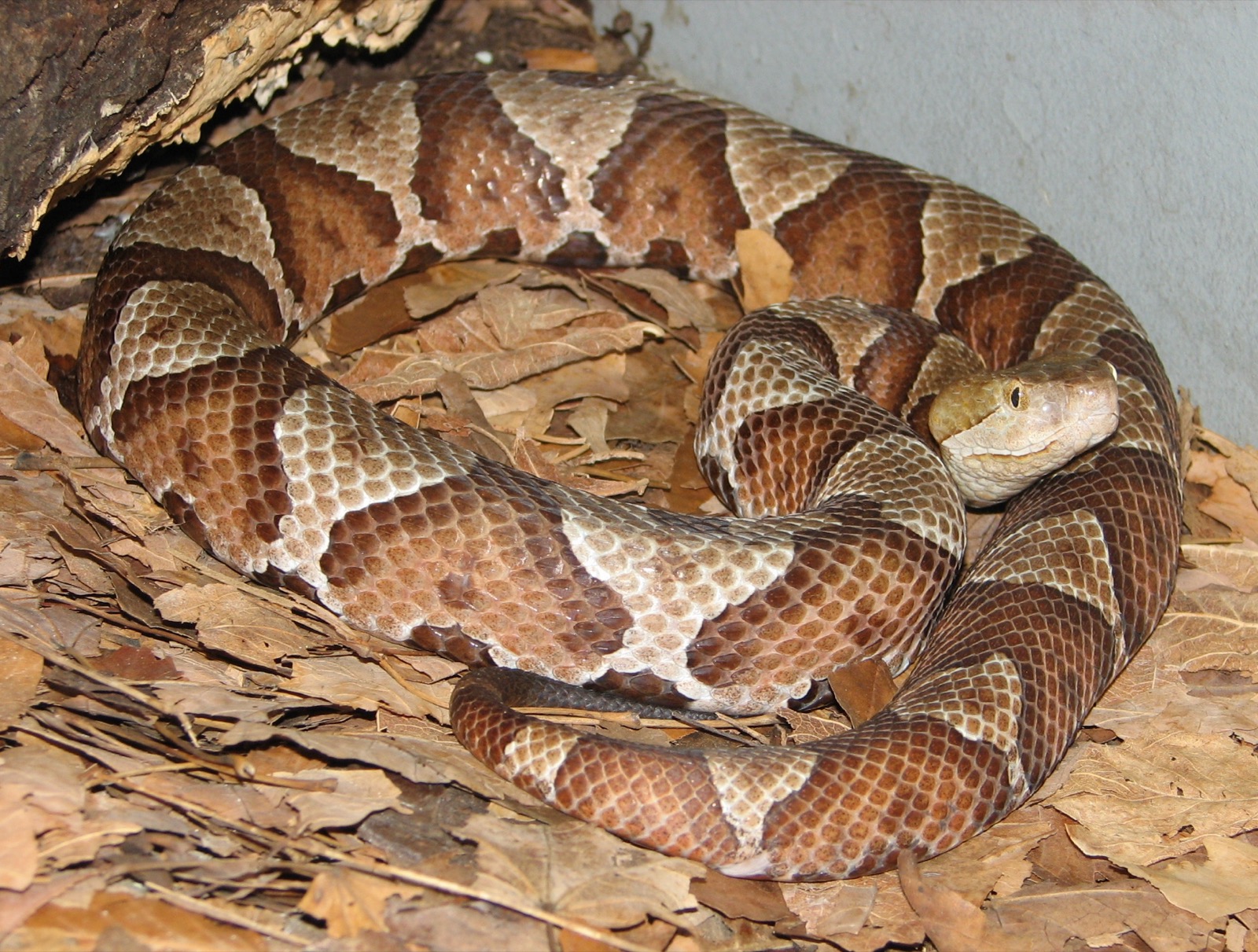
Finding a snake curled on top of a mower deck, tucked into the grass catcher, or sliding out from under a riding mower's seat is a surprisingly common experience, especially at the start of the mowing season. Mowers spend most of their lives parked in sheds, garages, carports, and barns, which are exactly the kinds of quiet, sheltered spaces snakes use for cover. The good news is that the snake is not there to ambush anyone. It is resting, hiding, or waiting out the weather. The risk comes almost entirely from what people do next: reaching under the deck, grabbing the bag, tipping the machine, or firing up the engine without knowing where the snake has gone.
It helps to understand why a mower is so appealing. Snakes are ectotherms, so they rely on outside heat to stay warm, and a mower that has just been run holds residual warmth in its engine and deck for some time. A stored machine also offers dark gaps around the engine shroud, the battery compartment and seat pan on riding mowers, the folded handle and cables on push mowers, and the underside of the deck where damp clippings collect. Those clippings, along with spilled seed or feed nearby, can attract insects, frogs, and rodents, and rodents in turn attract many snake species. In the United States that might be a rat snake, garter snake, or copperhead; in Australia, eastern brown snakes are well known for hunting mice around sheds; in India, rat snakes, cobras, and kraits can all turn up in stored equipment and outbuildings.
The first and most important step is to stop and back away. Most snakes can strike only a portion of their body length, so putting a few meters between you and the machine removes nearly all of the risk. Do not pull the starter cord or turn the key. Running the engine or engaging the blades will not reliably drive a snake out; it is more likely to injure the animal, make it bolt in an unpredictable direction, or leave a frightened snake hidden somewhere you will reach into later. Do not tip a push mower on its side to look underneath, and do not lift a riding mower's seat or hood while you are standing over it. Those are the moments when hands and faces end up closest to a startled snake.
Instead, give the snake an easy way out. If the mower is in a shed or garage, open the main door wide, keep children and pets well away, and leave the area for an hour or two. Snakes generally prefer to slip away from disturbance, and many will leave on their own once the space is quiet and an exit is obvious. If the snake is in the open on top of the deck or seat, you can usually watch from a distance as it moves off. Resist the urge to poke at it with a rake or broom; prodding turns a resting snake into a defensive one, and attempting to kill it is one of the most common ways people get bitten.
Before you use the mower again, do a careful hands-off check. Use a flashlight to look into the engine area, around the wheels, under the seat edge, and inside the grass catcher from a standing position, and use a long-handled tool to pull away any tarp or cover from a distance rather than lifting it by hand. If you saw the snake leave, the machine is very likely clear. If you never saw it go, or you suspect it has retreated into the engine housing or frame, it is worth calling for help rather than dismantling anything yourself. Wildlife services, local animal control, or a licensed snake catcher can check the machine safely. If anyone is bitten at any point, seek professional medical help immediately.
Prevention is mostly about making the storage area less inviting. Clean caked clippings off the deck after mowing and empty the grass catcher rather than leaving it full. Store the mower in a tidy space with a well-fitting door, seal obvious gaps along the walls and floor, and deal with any rodent activity, since mice and rats are often the real reason a snake is there. Avoid piling tarps, bags, or lumber around the machine, and get into the habit of looking before you reach, especially in spring and early summer when snakes are most active. Walking the lawn before you mow also helps you spot snakes in grass before the blades do.
If you do find a snake in or near your mower, the safest way to know what you are dealing with is to identify it without getting closer. Take a clear photo from a safe distance, ideally showing the head, body pattern, and color, and let SerpentID compare those markings against the species most likely to occur in your area. Many mower visitors turn out to be harmless rodent hunters, but if the app suggests the snake may be venomous, keep everyone away from the shed or garage and contact your local wildlife service or a licensed snake catcher to handle it safely.