


Garden hose reels, wall mounts, and plastic hose hideaway boxes provide an ideal microhabitat for opportunistic reptiles. These storage units shield animals from direct sun, trap condensation from minor drips, and frequently harbor the small insects or mice that snakes target for food. When you go to uncoil your hose on a warm afternoon, finding a snake resting among the vinyl coils can be startling, but understanding why it is there helps you handle the situation without risk of a defensive bite.
The most important immediate rule is to avoid pulling, jerking, or turning on the water pressure while the snake is present. Pulling the hose tight can pin or crush the snake against the reel frame, triggering an aggressive defensive bite in an otherwise docile animal. Blasting high-pressure water into the housing can also panic the snake, causing it to dart outward toward your hands or feet rather than retreating into nearby cover.
Instead, step back at least five to six feet and leave the hose reel entirely alone for an hour or two. In most cases, snakes seek out hose boxes for temporary rest, thermoregulation, or shade during the hottest hours of the day. Once human activity dies down and the ambient temperature cools in the late afternoon, the snake will usually slip out from the reel and move toward surrounding lawn edge, garden beds, or brush on its own accord.
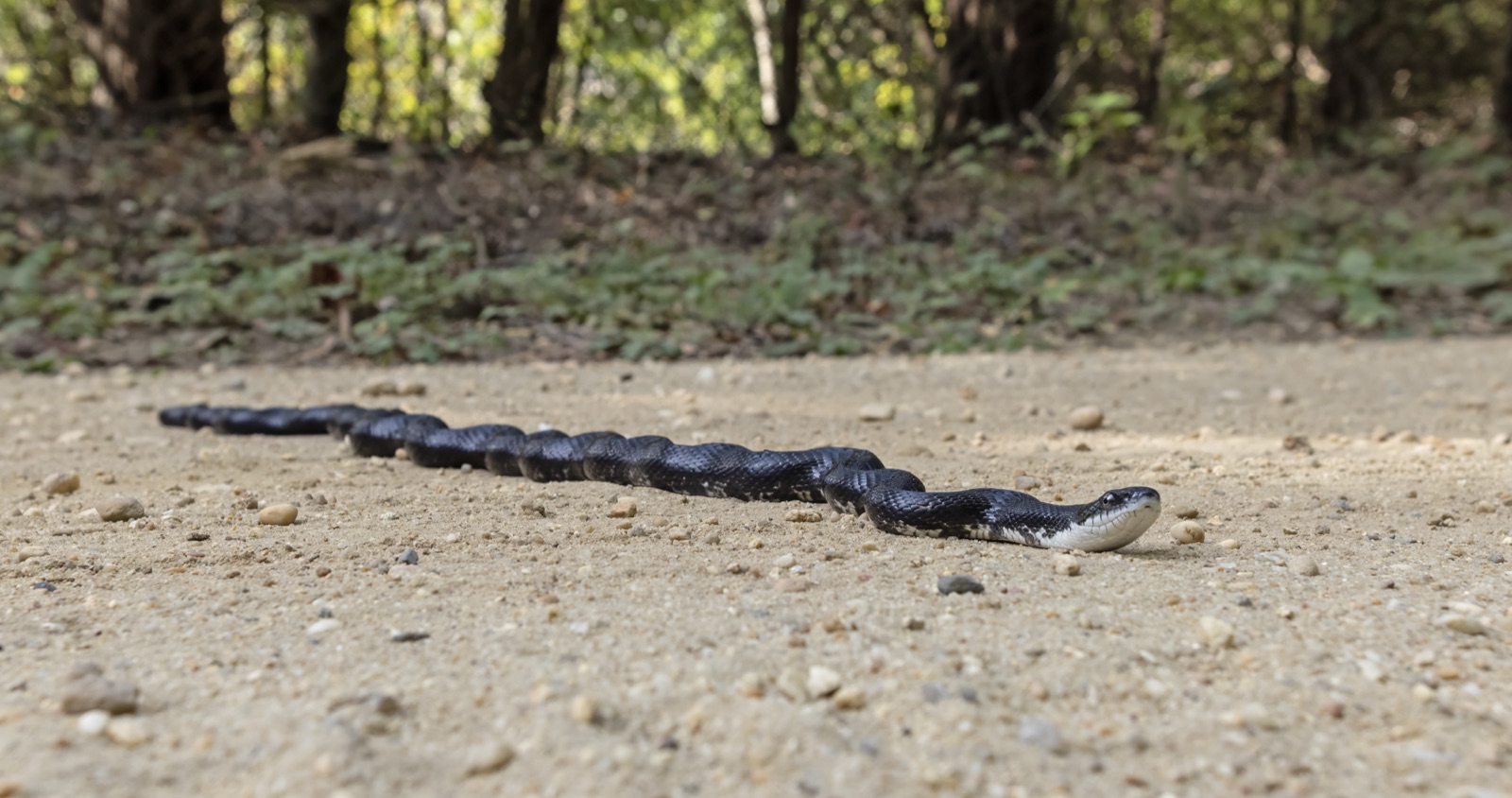
If the snake remains or if you must use the hose immediately, inspect the area safely from a distance to determine what kind of snake you are dealing with. Common harmless garden visitors like rat snakes, garter snakes, and milk snakes frequently seek shelter in outdoor storage containers. However, venomous pit vipers like copperheads also utilize dark, ground-level crevices near foundation walls and outdoor taps where moisture accumulates.
To prevent future encounters in your watering station, make a few practical adjustments to the surrounding environment. Repair any dripping spigots or leaky hose fittings that create damp mud beneath the reel, as persistent standing water attracts both prey and serpents. Elevating manual hose racks off the ground and keeping the surrounding grass neatly trimmed removes the tall cover snakes prefer when moving between hiding spots.
If you need to know whether the snake in your hose reel poses a safety concern before stepping back in to work, take a clear photo from a safe distance and let SerpentID analyze its body shape, scale patterns, and color bands against regional species listings. Knowing immediately whether you are looking at a harmless rodent hunter or a venomous species allows you to make informed decisions, and if a venomous snake refuses to move from high-traffic family areas, contact a local licensed wildlife removal expert to relocate the animal safely.