


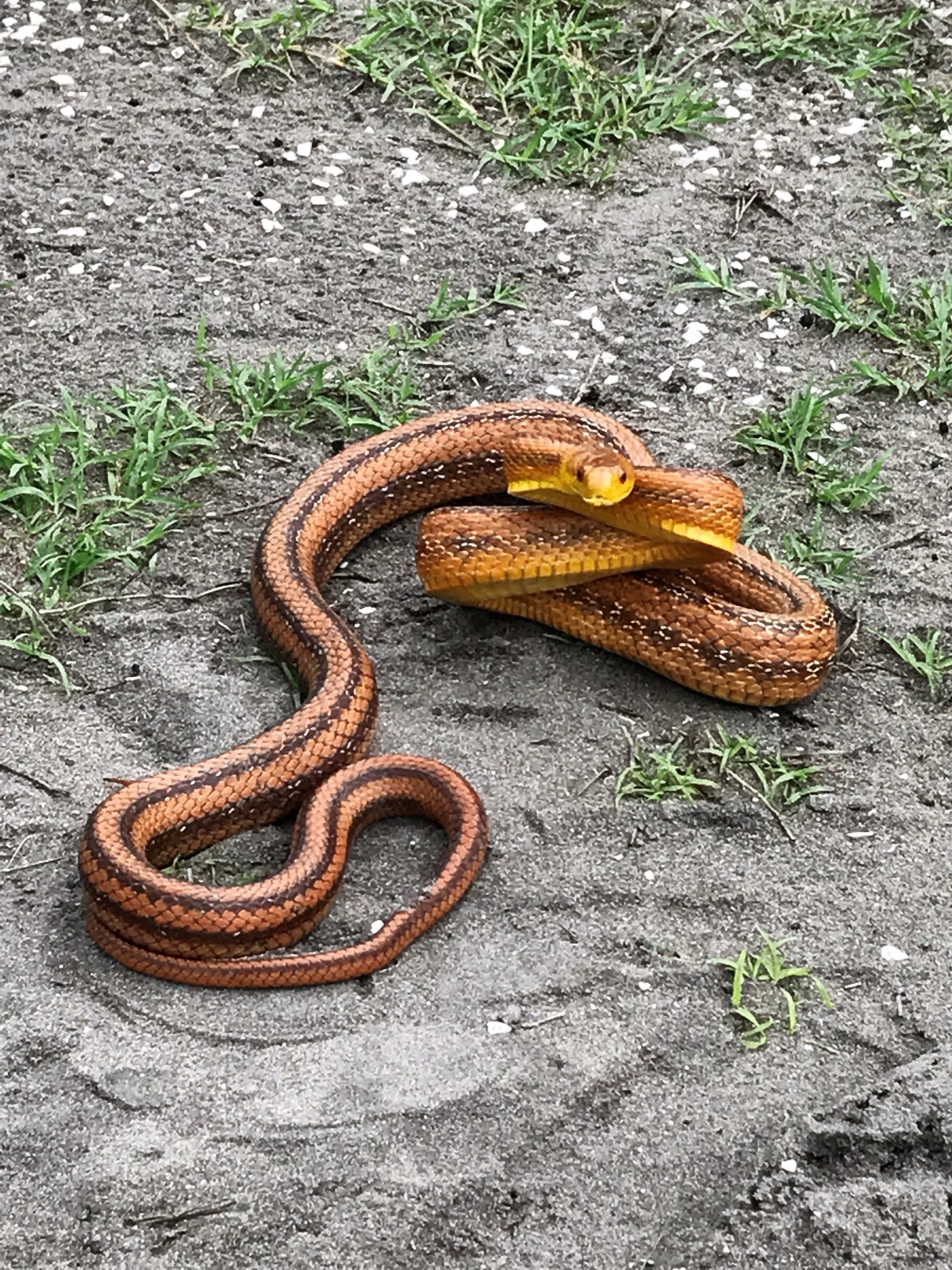
Discovering a snake stretched along your rain gutter or coiled inside an eavestrough can be a startling sight for any homeowner. Rain gutters offer an elevated, sheltered highway around the perimeter of your roof, making them attractive corridors for climbing reptiles. In North America, the most frequent visitors to rooflines are rat snakes, corn snakes, and racers, all of which excel at scaling vertical brick, siding, and nearby trees. In tropical or coastal regions, other arboreal or semi-arboreal species may take advantage of these elevated channels for hunting and resting.
Snakes generally end up in gutters for two primary reasons: food and shelter. Overhanging tree branches and cluttered eavestroughs often attract nesting birds, squirrels, and small rodents. Snakes possess an exceptional sense of smell and easily detect scent trails leading up downspouts or trunk lines to these roofline food sources. Additionally, gutters filled with dry leaves or organic debris provide shaded, cool microhabitats during hot summer afternoons where a snake can digest a meal undetected by aerial predators.
If you notice a snake while clearing debris or working on a ladder, the most important rule is to maintain a safe distance and stay off the ladder directly adjacent to the animal. Reaching into a clogged gutter blind or poking around with a gloved hand increases the risk of a defensive bite from a startled reptile. Pouring water down the downspout or using a high-pressure hose is also unhelpful, as it can trap or agitate the snake inside the pipe or force it onto your head or shoulder.
In almost all cases, a snake in a gutter will leave on its own once it finishes hunting or resting. You can encourage it to move along by ensuring nearby tree branches that touch the roofline are trimmed back, eliminating the easiest bridge between your roof and the ground. Cleaning out accumulated leaves and bird nests after the snake has moved on will remove the scent trails and prey that attracted the animal in the first place.
If the snake appears trapped inside a downspout, you can gently tap the side of the metal pipe from the ground using a broom handle to encourage it to slide down and exit through the bottom elbow. Never stick your hands inside the drainage opening. If the snake remains stuck, appears injured, or shows physical features consistent with a venomous species, keep children and pets away from the downspout drop zone and contact a professional wildlife control operator.
When you encounter a snake near your home, taking a clear photo from a safe distance allows SerpentID to compare its scale patterns and head shape against local species database profiles. Knowing whether you are looking at a harmless rodent hunter or a venomous species helps you make informed, calm decisions about maintenance around your roofline and home. If you confirm the presence of a venomous snake or need assistance moving a stubborn animal, always reach out to local wildlife removal specialists.