


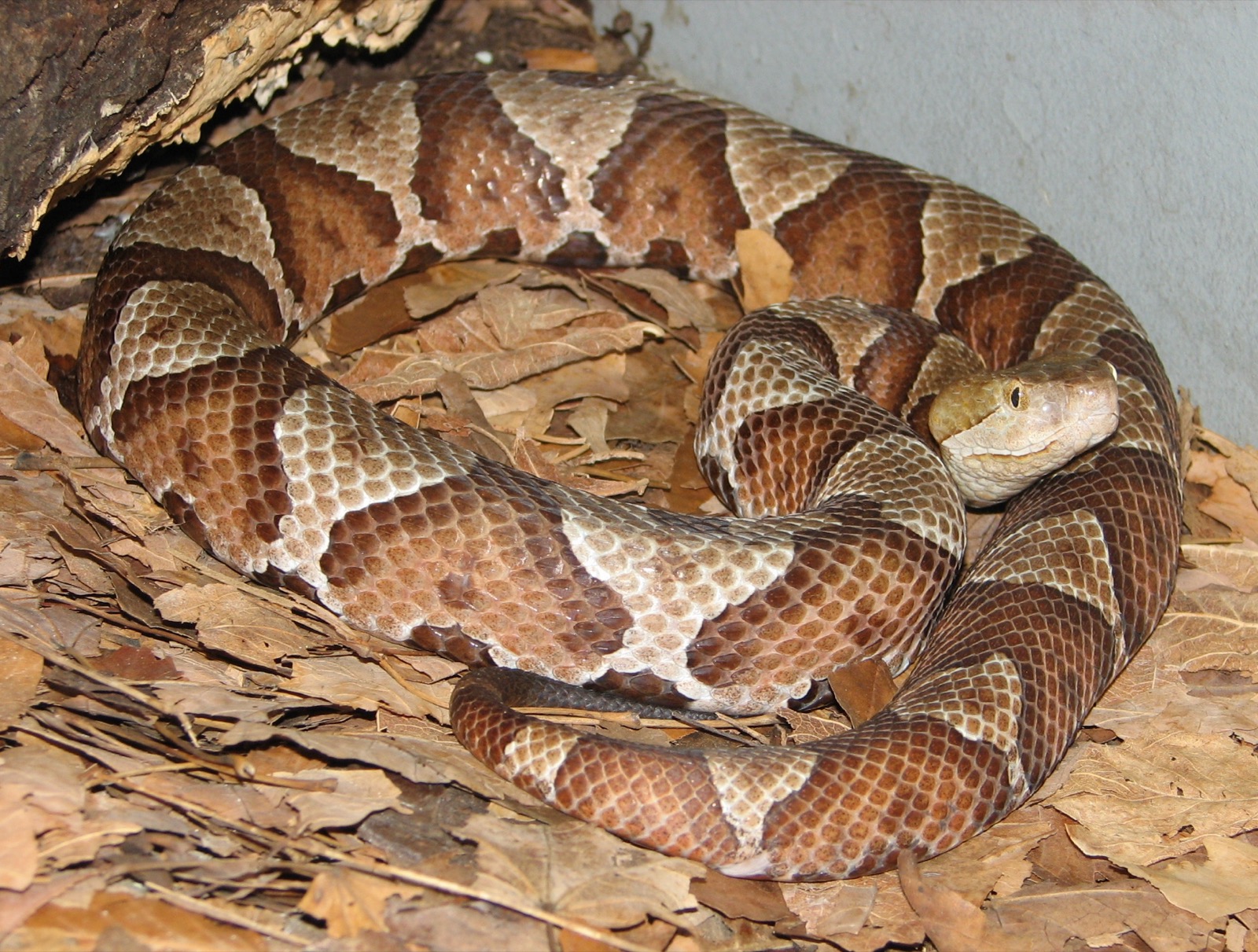
Backyard fire pits, stone hearths, and portable metal fire bowls create an inviting environment for local wildlife, including snakes. During hot summer days, the interior of a cool metal bowl or stone enclosure provides refuge from direct sunlight. Conversely, after a cool evening, stone and brick fire pits retain residual warmth from the sun, drawing ectothermic reptiles looking to regulate their body temperature. Untouched ash, dry kindling, and fallen leaves inside the pit add an extra layer of cover that makes these structures feel secure.
A common mistake homeowners make when noticing a snake in a fire pit is attempting to light the kindling to force the animal out. Lighting a fire under or near a trapped animal is dangerous, cruel, and often backfires. A frightened snake under heat stress is far more likely to strike defensively or rush out in an unpredictable direction toward people sitting nearby. Furthermore, smoke does not immediately flush a snake out; instead, it can disorient the reptile, causing it to coil deeper into crevices within the stonework.
Using sticks, broom handles, or yard tools to poke around inside the fire pit is equally risky. Poking a snake corners it, triggering defensive behaviors such as hissing, tail-rattling, or striking. In enclosed fire structures, a striking snake can reach outward faster than most people can react. If the snake is a venomous species like a copperhead or rattlesnake, harassing it at close range significantly increases the chance of a serious bite.
The most effective immediate response is simply stepping back and opening a clear exit route. If your fire pit has a mesh cover or lid, carefully remove it using long tongs or a broom handle while standing at a safe distance, then step away completely. Ensure children and family pets are moved indoors or safely behind a fence. In most cases, once the area becomes quiet and free of foot traffic, the snake will vacate the pit on its own within a few hours.
To prevent future visits, make your fire pit less appealing to sheltering reptiles when it is not in use. Keep the pit clean by removing ash, leftover charcoal, and unburned wood logs that create hollows. Covering portable fire bowls with a tight-fitting, solid metal lid or heavy-duty weatherproof cover prevents snakes from climbing inside. Inspecting the surrounding patio or lawn for rodent attractants, like spilled birdseed or open trash containers, also helps reduce the prey scent that brings snakes into your outdoor seating areas in the first place.
Before clearing out logs or lighting your next fire, always scan the interior of the pit from a safe distance using a flashlight. If a snake is present and you are unsure whether it is a harmless garden species or a venomous pit viper, take a clear photograph from several feet back. You can upload the photo to SerpentID to quickly compare its color patterns and markings against species native to your region. If the snake turns out to be venomous or refuses to move from a high-traffic area, contact a local wildlife control professional to safely relocate the animal.