


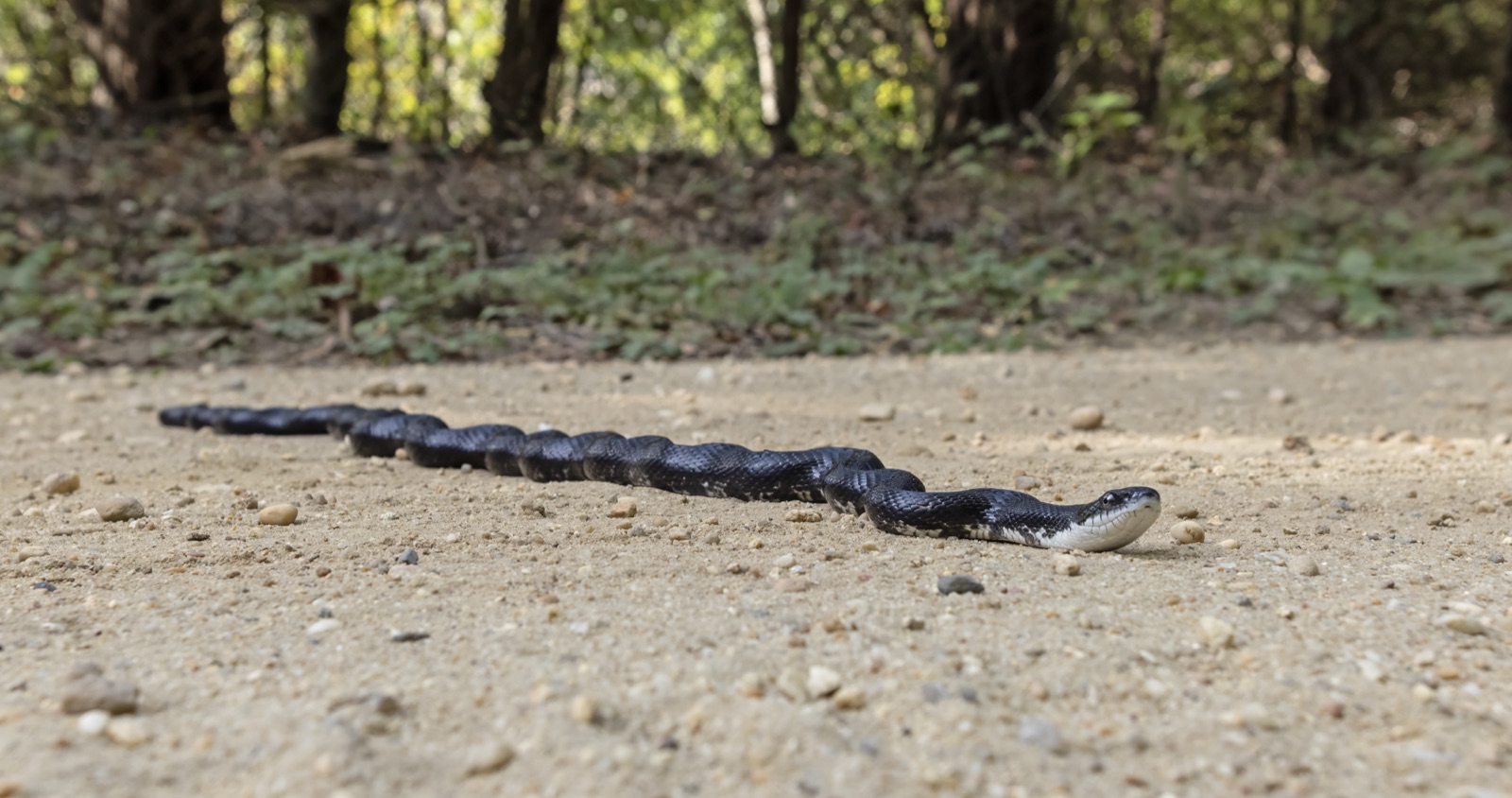
Discovering a snake tucked inside an exterior dryer vent flap or sitting in the ductwork behind your clothes dryer can be an alarming surprise. Exterior wall vents offer warmth, dark shelter, and a direct path into the wall cavity or home interior. Because these duct openings often sit close to ground level or near garden beds, snakes frequently explore them when seeking shelter, hunting rodents, or following thermal gradients during cool mornings and hot afternoons.
The single most critical step when dealing with a snake in a dryer vent is to leave the machine turned off. Never attempt to heat up the dryer or run a tumble cycle to flush the snake out. Running the appliance creates extreme heat and mechanical movement that can kill the animal inside the duct, causing severe damage to your venting system and creating a persistent odor problem. Unplug the dryer from the wall outlet or trip the circuit breaker before attempting any visual check or maintenance.
Avoid reaching blindly into the vent cowl from the outside or sticking gloved hands into the flex ducting indoors. When startled inside a cramped, enclosed pipe, even typically docile species will strike defensively out of fear. Instead, use a bright flashlight to inspect the outer vent flap from a respectful distance. If the snake's tail or body is visible near the exterior exhaust hood, leave the damper door propped open so the snake has an unobstructed path to climb back out on its own schedule.
If the snake has slithered deeper into the wall pipe or flexible transitional duct, you may need to gently detach the flex duct from the back of the appliance after confirming the area is safe. Keep a sturdy bucket and lid nearby, but refrain from poking metal snake hooks or wire coat hangers into the pipe. Poking a coiled snake in a tight space increases stress, leads to defensive strikes, and can easily puncture the thin aluminum or foil ducting.
Once the snake has vacated the line, preventing future unwanted visits requires inspecting your home exhaust system. Missing, damaged, or unlatched exterior vent hoods should be replaced with durable, pest-resistant wall caps equipped with self-closing louvers or heavy-gauge mesh caps specifically designed for dryer exhausts. Standard window screening should never be used on dryer vents because trapped lint quickly creates a dangerous fire hazard, but purpose-built heavy-duty animal guards allow airflow while blocking entry to reptiles and rodents.
Before taking steps to nudge or safely manage any snake encountered around your home, taking a quick photo from a safe distance is the best first move. You can upload your image to SerpentID to instantly check pattern and scale markers against local harmless and venomous species in your area. If the identification indicates a venomous species or the snake remains wedged inside the wall ductwork, contact a licensed local wildlife removal professional to extract the animal safely.