


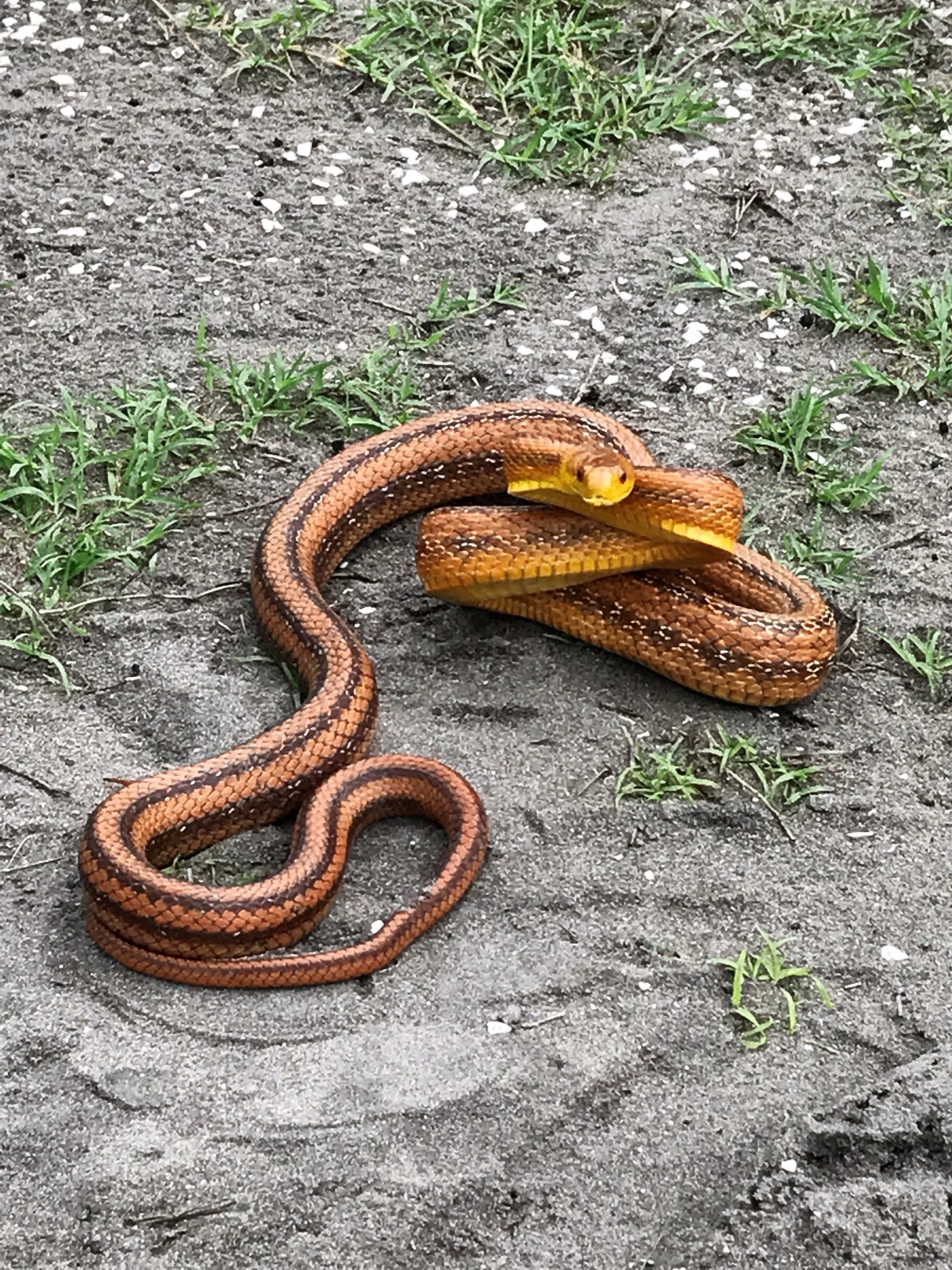
Discovering a snake inside your chimney or fireplace can be an alarming experience, but understanding how it arrived there is the first step toward resolving the situation safely. Excellent climbers like rat snakes, bullsnakes, and racers frequently scale exterior brickwork, stone masonry, or nearby tree branches in search of bird nests, rodent scent trails, or cool shelter. Chimneys without sturdy caps or protective wire mesh present open vertical shafts that snakes can accidentally fall into or deliberately enter while exploring high structures.
The single most important rule when dealing with a snake in the chimney is to never start a fire in an attempt to smoke or burn the animal out. Lighting a fire creates extreme heat and toxic smoke that will cause the snake to panic, potentially prompting it to push frantically past an unsealed damper and escape directly into your home. Furthermore, if a large snake becomes trapped higher in the flue and dies from the heat, it can create a serious blockage and severe odor problems that require extensive masonry work to clear.
Instead of using fire or smoke, your immediate priority should be securing the fireplace opening to prevent the snake from entering your living area. Close glass doors or mesh screens tightly, making sure there are no small gaps around the perimeter where a thin reptile could squeeze through. If your fireplace has an adjustable damper, leave it closed if it is already shut, or carefully close it only if you can do so without reaching your bare hands directly into the firebox where the snake might be resting.
Once the interior fireplace is sealed off, observe the area quietly with a flashlight through glass doors or mesh screens to locate the snake. Snakes trapped in chimneys are often dehydrated, stressed, and disoriented, seeking nothing more than a dark, quiet place to hide. Avoid reaching up into the throat of the damper or sticking gloved hands into unlit crevices, as a trapped and defensive snake will strike if cornered or squeezed.
For definitive removal, contact a local licensed wildlife control operator who specializes in reptile extraction. Professional technicians have the specialized tongs, mirrors, and containment gear necessary to safely reach up into flue shafts or gently remove the snake from behind screen doors. Once the animal has been safely relocated, inspect the top of your chimney and install a heavy-gauge mesh chimney cap to prevent future wildlife incursions.
If the snake does slip into your living room or is clearly visible inside the firebox, snap a clear photograph from a safe distance so you know what species you are dealing with. You can upload your image to SerpentID to quickly cross-reference its color patterns and markings against species common in your area. If the identification indicates a venomous species or if you feel uncomfortable handling the situation yourself, keep children and pets away and contact local wildlife rescue authorities immediately.