


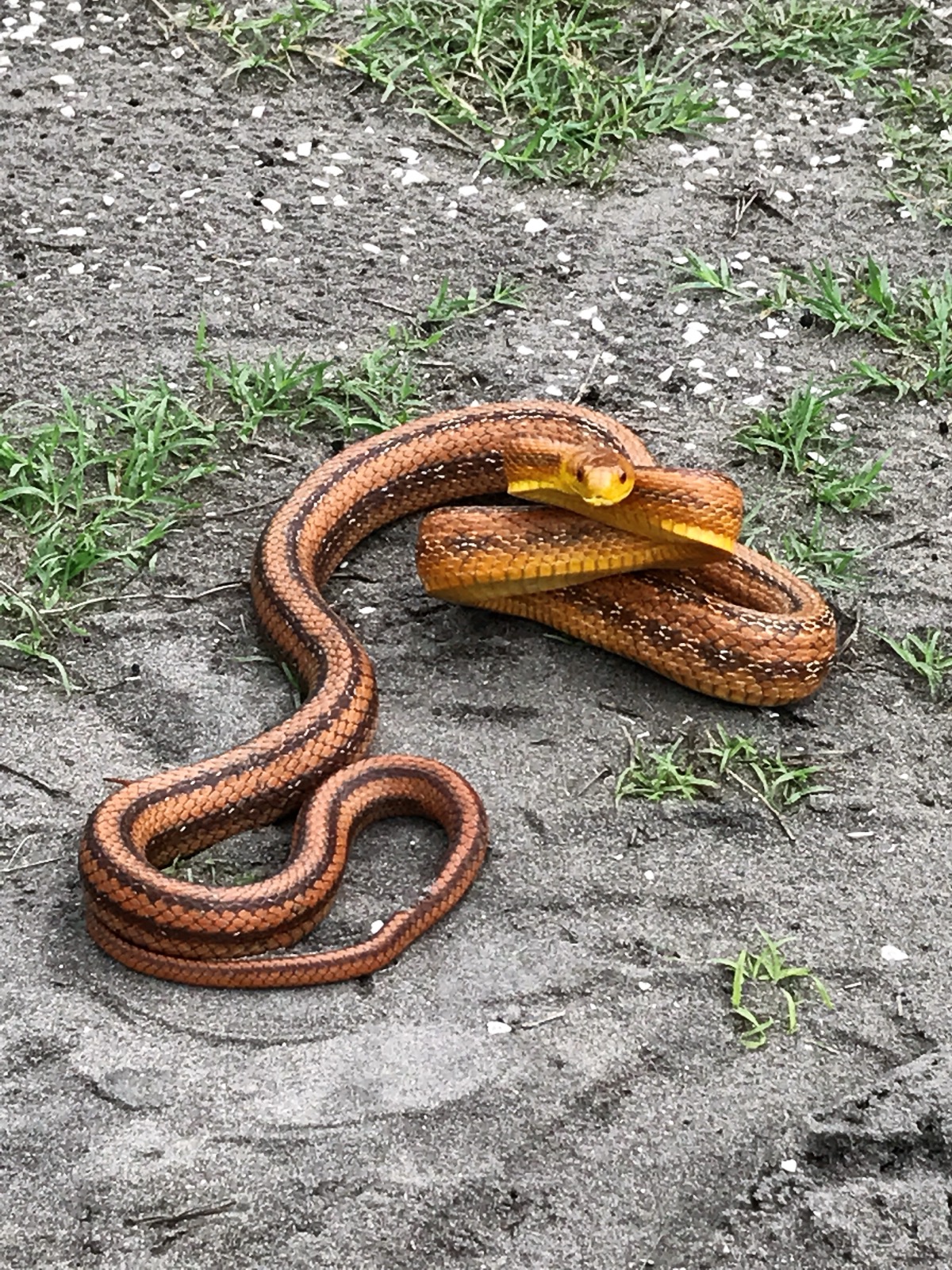
Opening an outdoor breaker box, electrical panel, or pump disconnect to flip a switch only to find a snake resting across the wiring is a startling experience. Electrical enclosures represent an ideal environment for many snake species because they offer dry, dark shelter elevated off the ground, protection from rain, and subtle warmth generated by electrical current. In many cases, rodents or lizards also enter these boxes seeking shelter, creating a double incentive for hungry snakes to squeeze inside through unsealed conduit openings or knockouts.
The primary rule when encountering a snake inside an electrical box is to refrain from touching anything inside the panel. Do not attempt to flip breakers, pull fuses, or use metal tools, sticks, or tongs to poke at the snake. Reaching into a tight electrical cabinet puts your hands inches away from live electrical terminals and a potentially defensive animal that feels entirely trapped. Furthermore, pushing a snake with a tool can cause the snake to contact energized buses or terminals, triggering an electrical arc or short circuit that can injure you and damage your home's electrical system.
If the panel door was already open when you spotted the snake, step back and maintain a clear view from a safe distance of several feet. If you opened a hinged cover and the snake is resting inside without being pinched, you can carefully step back and leave the door slightly ajar so the snake does not feel cornered. Never slam the panel door shut if the snake's body is draped across the frame, as crushing the snake will provoke a strike or cause an electrical short if the animal is pressed into live wiring.
In most situations, a snake that has entered an electrical enclosure will voluntarily leave once the ambient temperature cools down or the surroundings become quiet and free of human movement. However, if the breaker box needs immediate servicing or controls critical home systems like water pumps or air conditioning, do not attempt a DIY removal. Contact a licensed electrician or a professional wildlife control operator who has experience handling wildlife around energized electrical infrastructure. They can safely isolate the power upstream or use specialized insulated equipment to relocate the snake safely.
To prevent future entries once the snake has left or been professionally removed, inspect the electrical box thoroughly after ensuring the power is safely turned off. Check for missing knockout plugs, unsealed conduit entries, or wide gaps around the cabinet frame where wires enter from the ground or wall. Installing proper conduit seals, electrical knockout seals, and fine wire mesh over ventilation slots will close off the entry points that attract snakes and rodents into your electrical system.
If you need to know whether the snake in your breaker box is a harmless species like a rat snake or a venomous species like a copperhead, take a clear photo from a safe distance using your phone's zoom. You can upload the picture to SerpentID to quickly evaluate body patterns and scale features against species common in your area. If the snake proves to be venomous or remains stuck in an active electrical panel, keep children and pets away and contact your local animal control or wildlife relocation service immediately.