


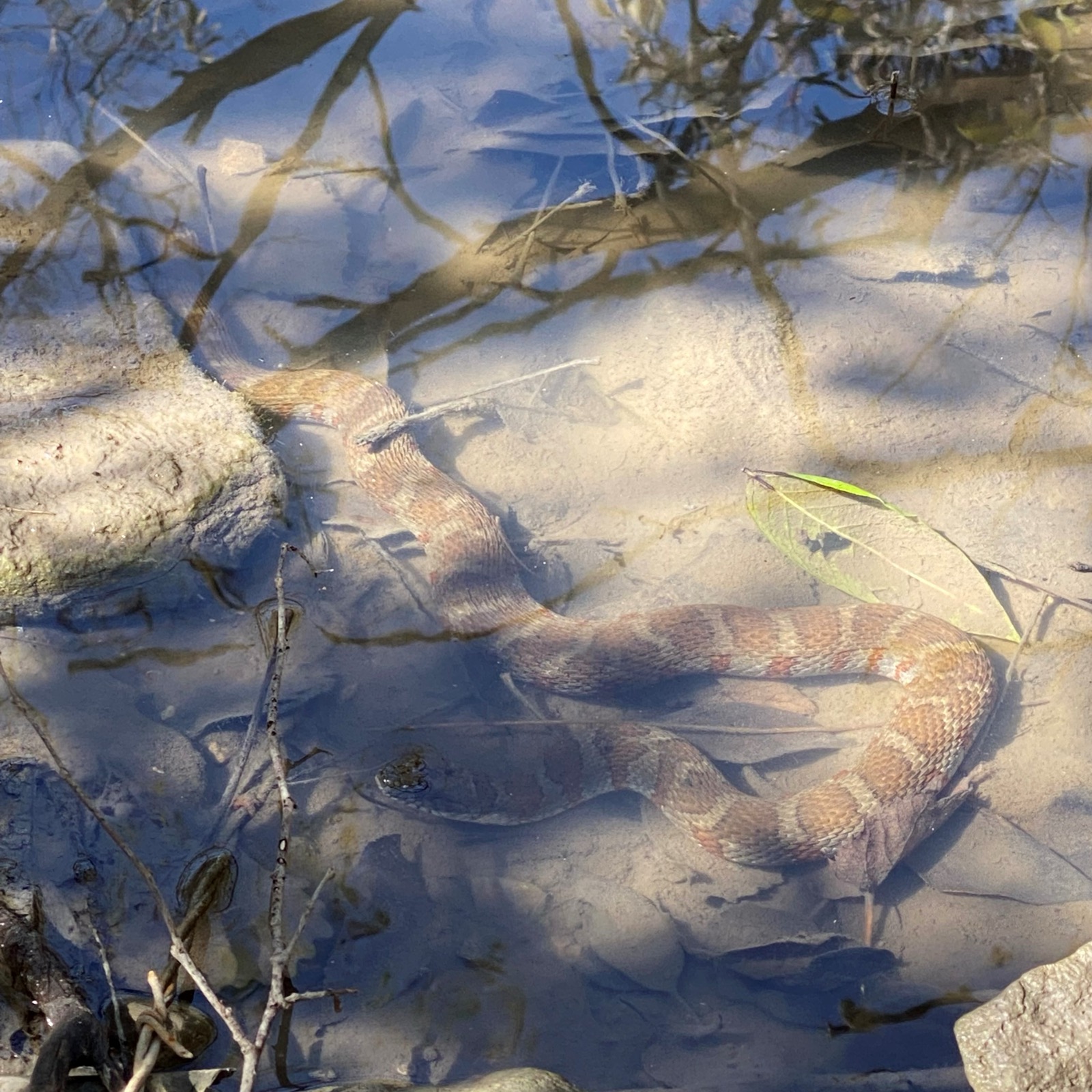
Basement sump pump basins create an ideal microclimate for opportunistic snakes. These pits are dark, cool, humid, and frequently connected to exterior drain tiles or French drains that act as subterranean highways for small wildlife. A snake following the scent of mice, frogs, or simple moisture can easily slide through an unsealed drain line and drop directly into the sump pit. Once inside the steep-walled plastic or concrete basin, the snake is usually trapped, unable to gain enough traction on the smooth vertical walls to climb back out.
The immediate priority when discovering a snake in your sump pump pit is ensuring physical safety and preventing accidental injury to yourself or the animal. Before reaching toward the pit, inspecting the float switch, or testing the pump, go to your home's main electrical panel and cut power to the sump pump circuit. A panicked snake can wedge itself into the mechanical floating arm or motor assembly, creating an electrical hazard or risking severe mechanical injury if the pump automatically engages while you or the animal are nearby.
Once the electrical hazard is removed, refrain from reaching down into the pit with your bare hands, gloved hands, or improvised tools like tongs and brooms. A snake trapped in a confined space will feel intensely threatened and is far more likely to strike defensively if approached from above. Even non-venomous species like rat snakes, garter snakes, or water snakes will bite repeatedly when cornered in a deep pit. Furthermore, shadows and water reflection inside a dark basement basin make it extremely difficult to assess the exact species or position of the animal accurately.
If the snake is resting on top of the pump motor or floating near the surface, you can safely provide an escape route without getting close. Lowering a sturdy, coarse-textured ramp—such as a long piece of untreated wood or a heavy towel weighted at the top—allows the snake to climb out of the pit on its own time. Ensure the surrounding basement floor is clear and secure any interior doors so the snake does not wander deeper into living areas. Leave a low-profile light on in the room, exit the basement, and give the snake several hours of complete quiet to navigate its way up the ramp.
After the snake has vacated the pit or if you need to identify it before taking action, maintain a respectful distance of at least six feet. Take a clear, well-lit photograph focusing on the shape of the head, the markings along the back, and the overall color pattern. SerpentID can analyze your photo against species native to your local area, helping you quickly differentiate between harmless aquatic visitors and venomous vipers. If the snake turns out to be venomous or refuses to leave the basin on its own, keep the area clear and contact a professional wildlife removal service or local animal control immediately.