


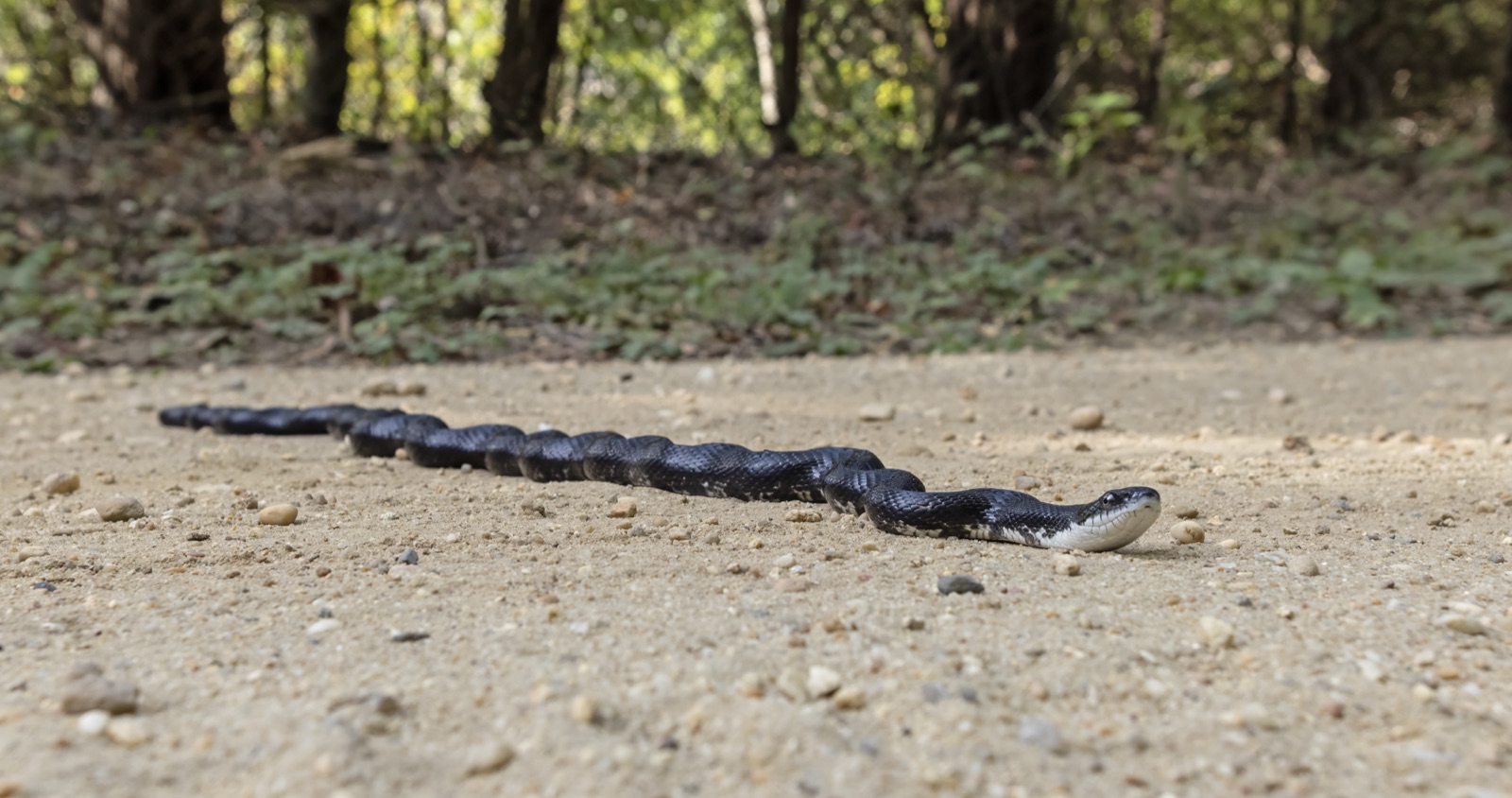
A snake in the barn is one of the most common farm and acreage encounters in the United States, Australia, and India, and the reason is rarely mysterious. Barns store grain, pellets, birdseed, and hay, and those stores feed mice and rats. Snakes follow the rodents. On top of that, a barn offers exactly what a snake looks for when it is not hunting: stable temperatures, deep shade, dry cover, and countless gaps between bales, boards, pallets, and equipment. Finding one does not mean the barn is infested or that the snake is looking for trouble. It usually means the building is working as excellent snake habitat, and the safest response starts with slowing down rather than searching.
The first step is simply to stop what you were doing in that part of the barn. Most barn bites happen when a hand goes somewhere the eyes cannot see: between stacked bales, under a feed bag lying on the floor, behind a tack trunk, into a pile of old bedding, or along a low shelf. If you have seen a snake, assume it can retreat into any of those spaces. Step back to a distance of at least a couple of meters, keep children, dogs, and curious livestock away, and note where the snake is and which direction it moves. Do not try to pin it, catch it, or chase it out with a broom or pitchfork. Cornering a snake is what turns a calm animal into a defensive one, and close-range attempts to kill snakes are a well-documented cause of bites.
Which snakes you might meet depends heavily on where you live. In much of the eastern and central United States, rat snakes are the classic barn snake, climbing rafters and walls in search of rodents and bird nests, while copperheads may shelter in cluttered lower areas and rattlesnakes can use barns and outbuildings in many western and southern regions. In Australia, eastern brown snakes and other brown snake species are frequently found around farm sheds and feed stores because they hunt mice, and they are among the most medically significant snakes on the continent. In India, rat snakes are common in cattle sheds and grain stores, but spectacled cobras, Russell's vipers, saw-scaled vipers, and common kraits also use farm buildings, and kraits in particular are known for entering structures at night. Because harmless and dangerous species can share the same barn, appearance and behavior alone are not a safe basis for guessing.
Once the snake has moved out of sight, resist the urge to dismantle the hay stack or pull apart the feed room to find it. Instead, give it time and a clear path out. Open a door or gate on the far side, reduce noise and activity nearby, and keep watching from a distance if you can do so safely. Many snakes will leave on their own, especially after dark when they become more active in warm weather. If the snake is in a spot you must use, such as a stall where an animal is housed or the only access to feed, contact a licensed snake catcher, local wildlife service, or animal control. In Australia and India native snakes are protected by law, and many US states regulate killing or relocating certain species, so a professional is both the safer and the legally sound choice.
Livestock add another layer of risk. Horses, cattle, goats, and dogs often investigate snakes with their noses, which is why bites to the muzzle, face, and lower legs are common in animals. If a snake is in or near a stall, move the animal out calmly if you can do so without going near the snake, or close off the area until it is cleared. If you suspect an animal has been bitten, contact a veterinarian right away and keep the animal as quiet as possible. If a person is bitten, treat it as an emergency: seek professional medical help immediately, and do not delay to try to catch or identify the snake.
Longer term, the most effective way to reduce barn snake encounters is to make the building less rewarding. Store grain and pellets in sealed metal or heavy plastic bins, clean up spilled feed promptly, and run a consistent rodent control program. Stack hay on pallets with space around the edges so you can see along the base, and avoid leaving feed bags, tarps, or boards lying flat on the floor where they create ideal cover. Clear clutter from corners, keep vegetation trimmed around the outside walls, and seal gaps at the base of doors where practical. When you do move bales or old bedding, wear sturdy boots and gloves, use a tool to lift or shift material first, and work with good light so you can see into spaces before your hands do. Folk remedies such as mothballs, sulfur, or so-called repellent plants have little evidence behind them and should not replace these habitat changes.
If you spot a snake in the barn and want to know what you are dealing with, take a photo from a safe distance rather than moving in for a closer look. A clear shot of the head, body pattern, and color is usually enough for SerpentID to compare the markings against the species most likely in your area, which can help you decide whether the snake is a harmless rodent hunter or one that needs professional removal. If the result suggests the snake could be venomous, or you are not sure, keep everyone back and contact your local wildlife service or a licensed snake catcher. Identifying the snake from a distance, keeping your hands out of hidden spaces, and making the barn less attractive to rodents will do far more for your safety than any attempt to deal with the snake yourself.