


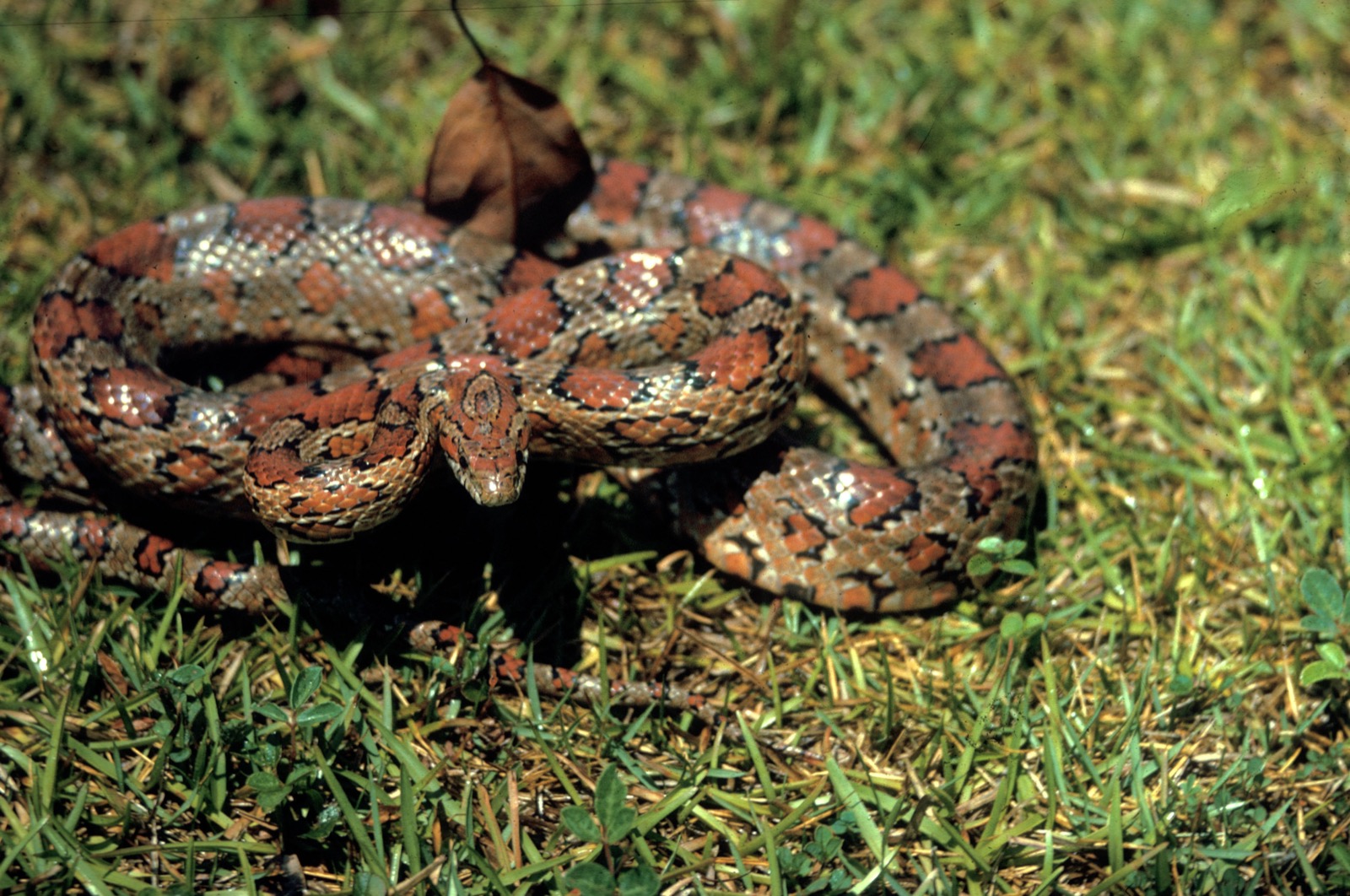
Snake in storage unit what to do is a high-intent safety search because people usually discover the animal while moving boxes, lifting tarps, or reaching around furniture. Stop unloading as soon as you see the snake or suspect movement. The goal is to avoid turning a partial sighting into a hand-level surprise.
Do not pull boxes from the bottom of a stack, slide hands behind mattresses, lift tarps, or drag furniture until you know where the snake is. Keep children and pets outside the unit, stand clear of the doorway, and avoid blocking the most obvious exit route. If the snake moves deeper into clutter, treat the unit as unresolved.
Storage units can attract snakes through shelter, warmth, insects, rodents, and long periods without disturbance. Ground-level roll-up doors, damaged weather seals, gaps near walls, nearby vegetation, and spilled food in adjacent units can all turn a locker into usable cover. The encounter may be a symptom of a larger pest or exclusion problem on the property.
If a safe photo is possible, take it from the doorway or an open side angle without stepping over clutter. Include visible body pattern and the surrounding storage layout. Do not poke boxes with a broom, use a flashlight at arm's length behind furniture, or corner the snake against stacked items.
SerpentID can help compare visible pattern and body build from a safe image, but storage-unit encounters often produce partial views. If the app suggests a venomous possibility, the snake disappears under stored furniture, or the unit must be accessed immediately, contact facility staff and local wildlife help. After the scene is clear, inspect door seals, avoid storing food, elevate boxes where possible, and keep an aisle open for future visibility.