


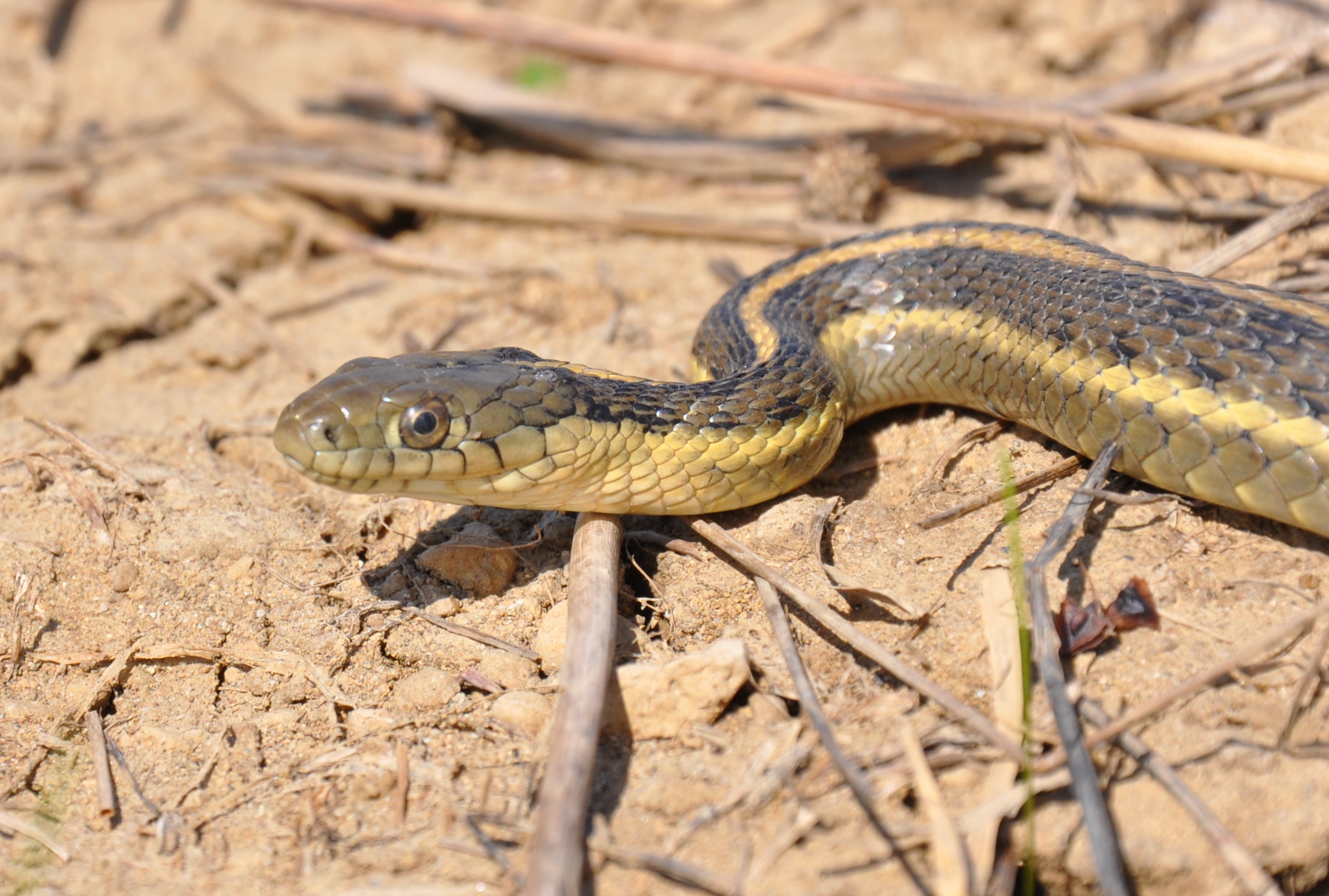
Snake in raised garden bed what to do is a practical SEO query because raised beds combine many things snakes use: cool shade under leaves, damp irrigation lines, mulch, boards that hold heat, and prey like slugs, insects, and small rodents. The common error is continuing normal garden work while mentally downgrading the risk because the snake looks small or the bed feels familiar.
Do not plunge bare hands into tomato cages, reach under squash leaves, or start lifting landscape fabric and border boards to track the animal. Clear people and pets from the bed first, then look from outside the frame to see whether the snake is under irrigation tubing, along the inside edge, or tucked beneath dense foliage where your hands would naturally go next.
Raised beds are attractive not because snakes want vegetables, but because the structure creates layered cover. Timber edges, stone borders, drip lines, compost nearby, and watering routines produce a stable microhabitat. That means one sighting should prompt a broader look at the whole garden corner instead of only the exact plant where the snake disappeared.
If the snake is visible, take one clean photo from outside the bed and stop there. Do not pull plants, shake cages, or dig around the hiding spot for a second angle. The more you disturb the bed, the more likely the snake slips under boards or exits at hand level while you are focused on the leaves.
SerpentID can help narrow likely species from a safe photo, especially when pattern blocks and body proportions are visible, but low confidence should keep the response conservative. If the app suggests a venomous match or the snake vanishes into a section of the bed you need to harvest immediately, call local wildlife help. Afterward, trim dense edge cover, keep pathways clearer, and be deliberate every time you reach below foliage.