


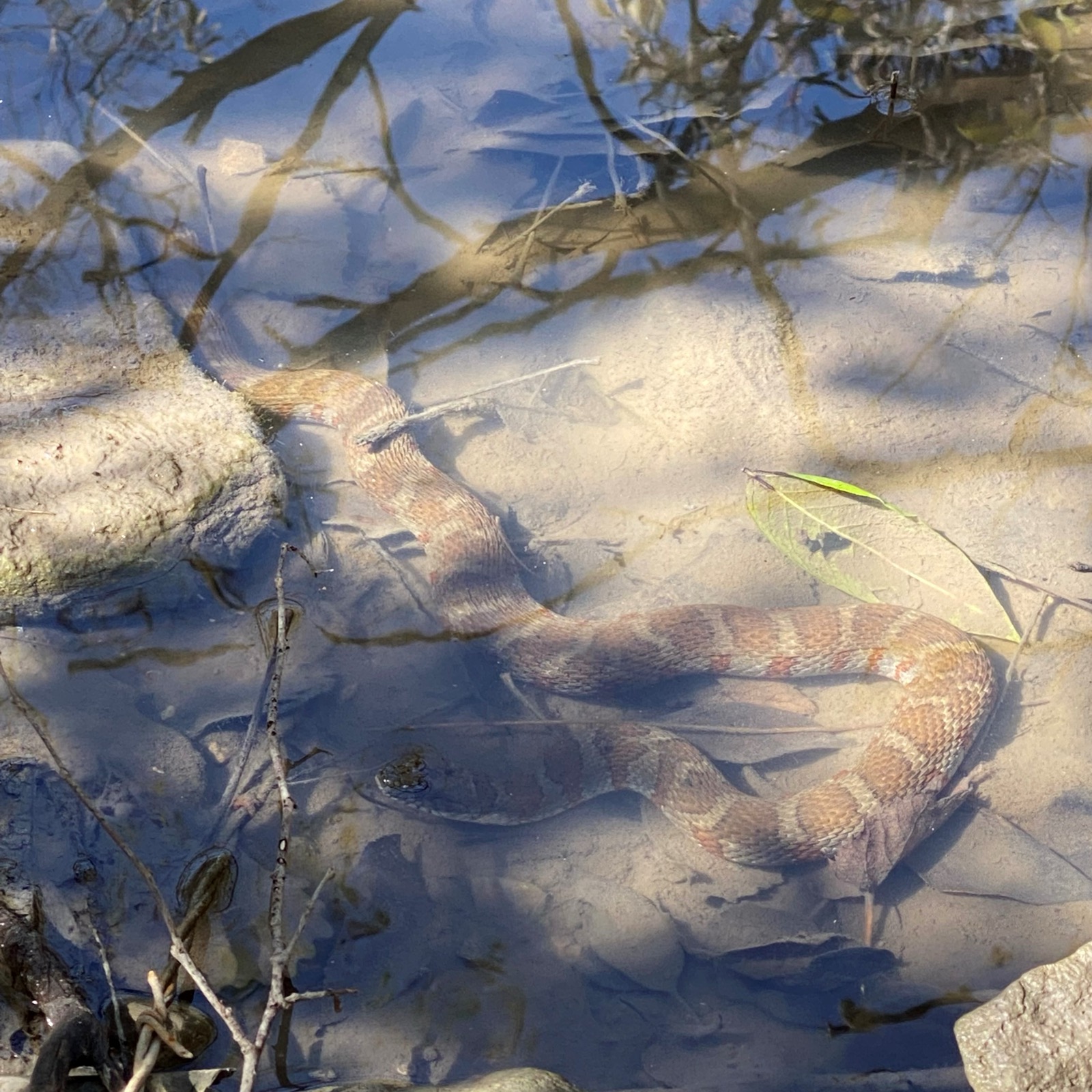
Snake in pool equipment what to do is a practical pool-owner search because the equipment pad creates exactly the wrong kind of workspace for surprises: tight pipe runs, low visibility behind filters, damp shade, and a habit of reaching blindly for lids, timers, and valves. The risk jumps when routine maintenance continues after a quick glimpse near the pump or heater.
Do not lean into the pad to open the pump basket, reach behind the filter tank, or put your hands around the back of pipe clusters to see where the snake went. First, keep children and pets away, stop the maintenance task, and watch from outside the slab to see whether the snake is under the heater, behind the pump, along the plumbing, or beside nearby landscaping at the edge of the pad.
Pool equipment areas attract snakes indirectly through water, shelter, and prey. Frogs, lizards, insects, mulch, and warm mechanical cover make the equipment corner more appealing than the open pool deck. In many yards the pad is part of a wider habitat strip that includes shrubs, fence lines, drainage, and storage clutter.
If the snake is still visible, take one stable photo from outside the equipment footprint and leave the controls alone. Do not try to flush it out with a hose or trap it against the pipes with a pole. Utility pads give snakes too many blind escape routes and force you into closer range than the photo is worth.
SerpentID can help compare likely species from a safe image, especially when body pattern remains visible against the concrete or equipment housing, but low confidence should still keep the response conservative. If the app suggests a venomous possibility or the snake disappears into a service area you need immediately, use local wildlife help. Afterward, trim dense cover around the pad, reduce prey attractors, and inspect the equipment zone before each maintenance round.