


Snake in pickup truck bed what to do is an urgent driveway or jobsite search because the animal may be coiled under a toolbox, behind a wheel well, inside a loosely coiled ratchet strap, or beside a folded tarp exactly where hands and feet land when you climb in to load gear. Stop the loading routine, keep children and pets back from the rear bumper, and do not drop the tailgate or step onto the bed liner until the area is visibly clear.
Do not slam the tailgate, kick a tire to scare the snake out, drag a tarp by the corner, or reach blindly into a toolbox for a missing wrench. A loaded bed hides body direction under metal and fabric, and a quick reach can put fingers directly on top of the animal between a fuel can and a folded blanket.
Pickup truck beds attract snakes indirectly through shade under bed liners, retained warmth on dark metal and rubber, rodents nesting in stored rags, insects around spilled feed or grass clippings, and protected gaps along the wheel well and tailgate seam. Trucks parked overnight near brush, gravel piles, hay barns, or worksite material stacks can become quiet shelter before morning.
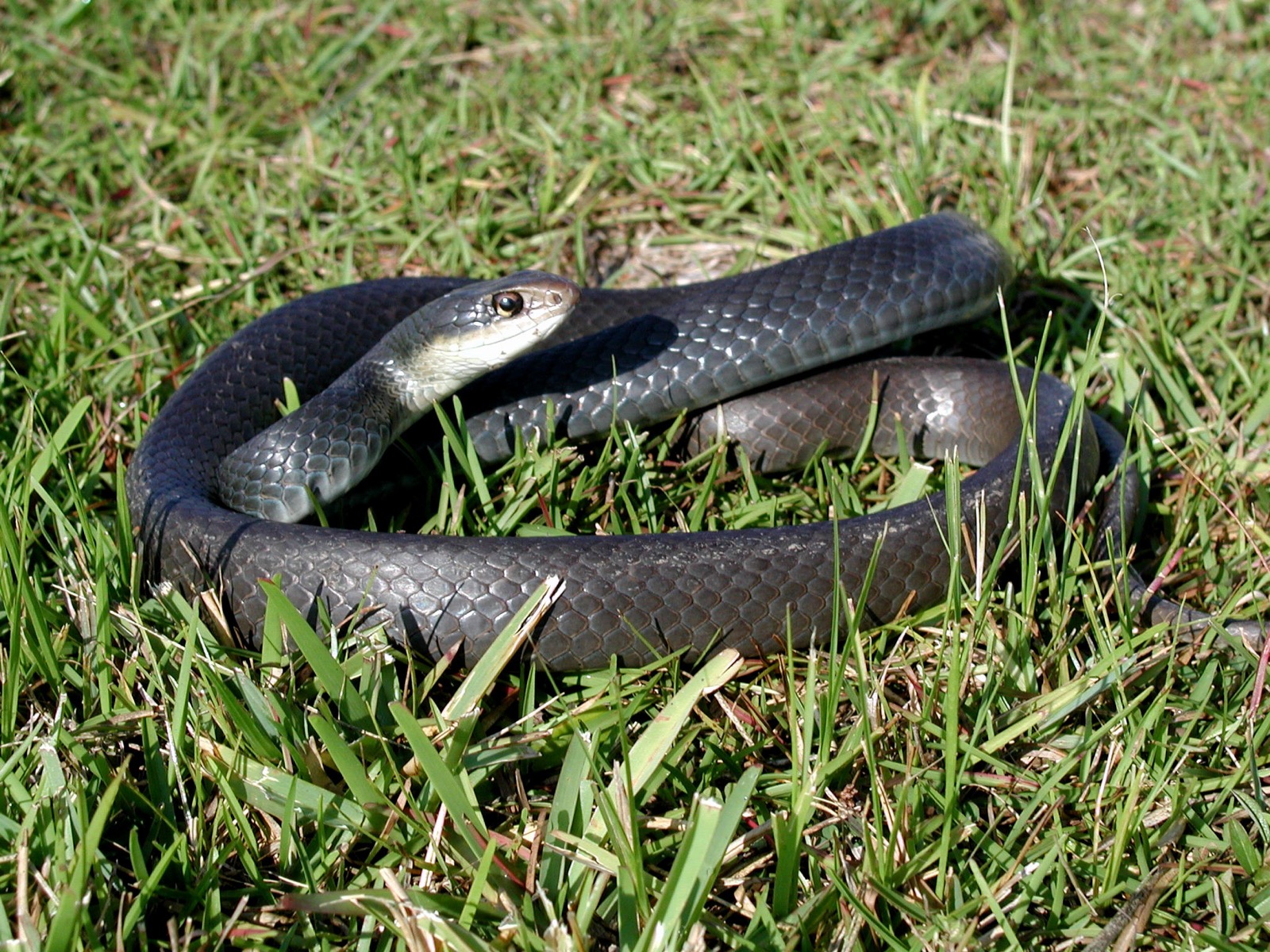
If the snake remains visible, take one photo from outside striking distance and include the bed liner, toolbox, wheel well, and visible body pattern. Do not lean over the side rail or shift a tarp for a clearer view. A wider scene gives SerpentID enough markings to compare while keeping you off the tailgate and away from hidden cavities behind the cab.
SerpentID can help compare visible markings, but truck-bed encounters should stay conservative because the next normal action is a fast climb in with both hands full. If the app suggests a venomous possibility, the snake disappears under the toolbox, or the truck must be loaded to leave a remote site, contact local wildlife help and step back. Afterward, store the truck with the tailgate up, sweep loose feed and clippings out, keep ratchet straps coiled in a sealed bin, and inspect the bed with a flashlight before each load.