


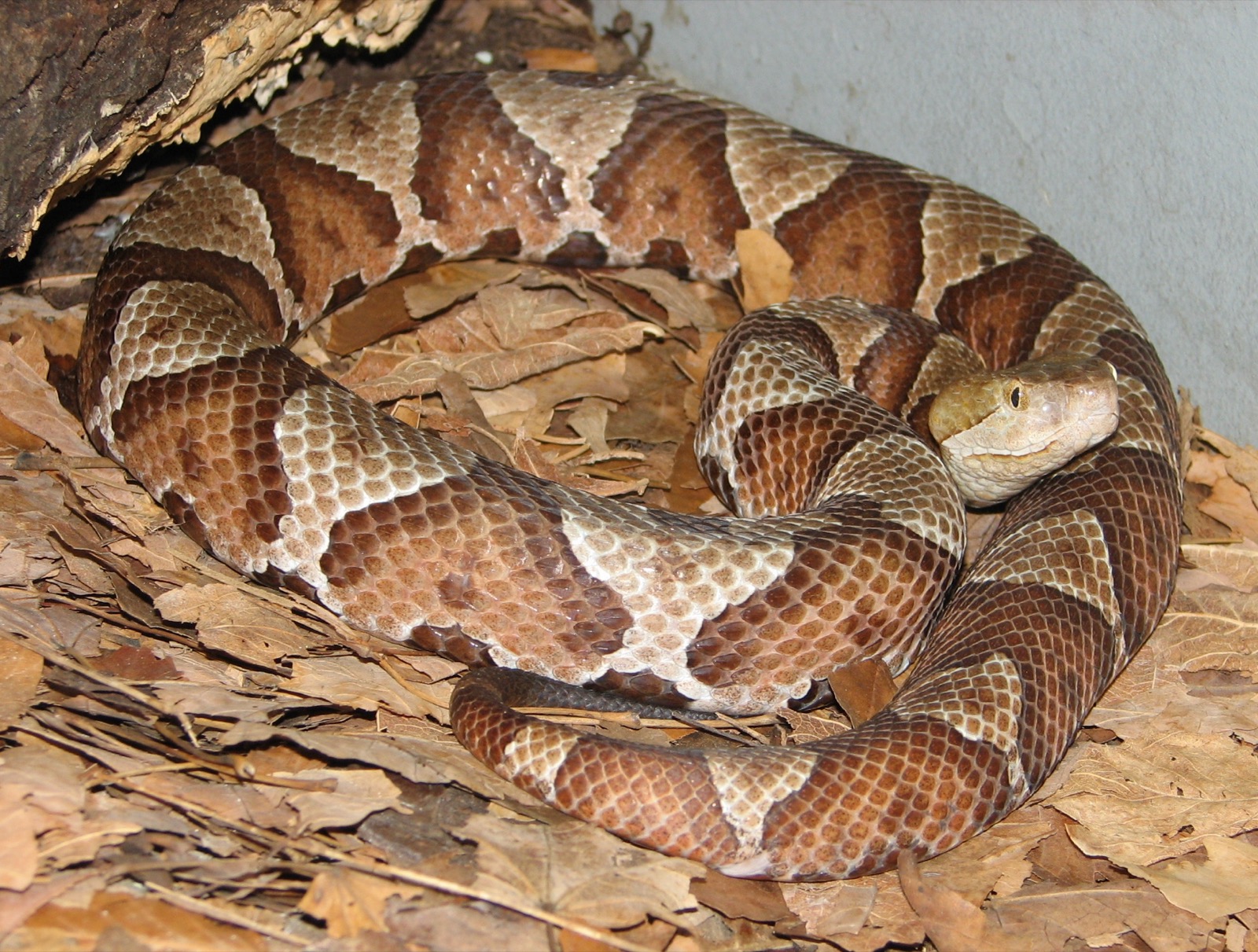
Snake in leaf pile what to do is a practical yard-safety search because leaves hide exactly the details people want to see: head position, body pattern, length, and direction of travel. The risk increases when someone keeps raking, reaches into a bag, or lets a pet jump into the pile after a quick glimpse of movement.
Do not continue raking through the same spot, grab leaves by hand, or stomp the pile to scare the snake out. Step back, keep pets indoors or leashed, and watch the edges of the pile from a safe distance. Look for movement along the sunny side, under sticks, near fence lines, or beside shrubs where the snake may exit.
Leaf piles attract snakes indirectly through cover and prey. Damp leaves hold insects and shelter small animals, and piles often sit near gutters, wood lines, garden beds, or compost corners that already function as travel routes. Even a harmless snake can become hard to track once it slips under layers of leaves.
If the snake is visible, take one stable photo from outside striking distance without disturbing the pile. A context photo showing leaves, body pattern, and nearby cover is usually more useful than trying to expose the head with a rake. Raking toward yourself or bagging blindly removes the margin that kept the encounter manageable.
SerpentID can help compare visible markings from a safe photo, but leaf camouflage can reduce confidence and increase false certainty. If the app suggests a venomous possibility or the snake disappears into a pile you need to remove, use local wildlife help before continuing. For future cleanup, wear boots and gloves, move leaves with long tools, and inspect piles before pets or children approach.