


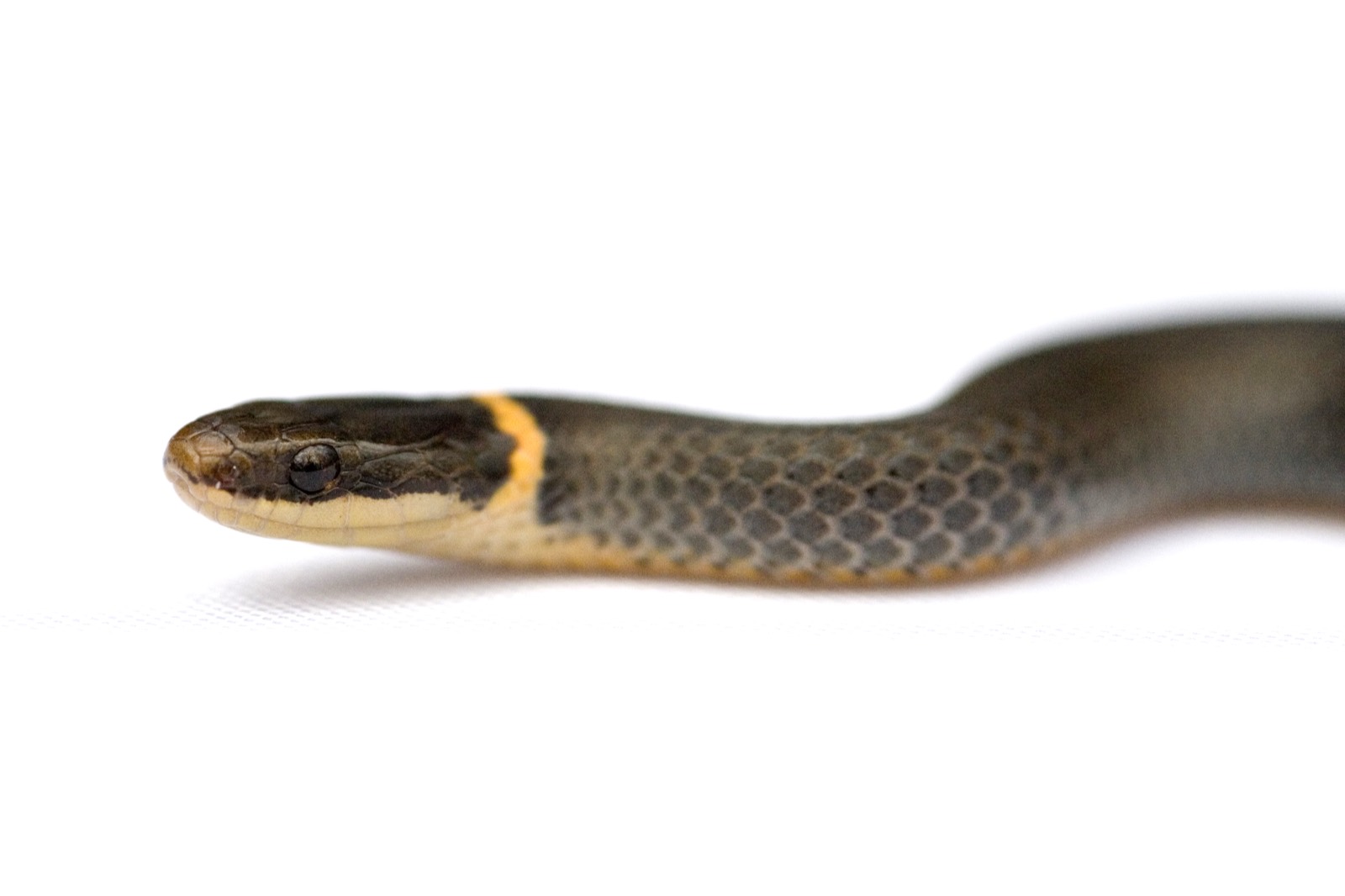
Snake in lawn bag what to do is a yard cleanup search because leaves, grass clippings, pine straw, and damp plant debris can hide the animal from the exact handholds people use to tie or lift the bag. Stop packing the bag, leave it upright if it is stable, and keep children and pets away.
Do not press the bag down, tie the top, shake it, reach into the leaves, or drag it to the curb while the snake's location is uncertain. Yard waste can shift and bury the snake deeper, putting it near the rim, handles, or torn plastic where fingers may go next.
Lawn bags attract snakes indirectly through warmth, shade, moisture, insects, frogs, lizards, and rodents hiding in leaf litter. A half-filled bag left overnight beside a fence, shed, compost area, garage, or brush pile can become temporary shelter during cleanup.
If the snake remains visible near the opening, take one photo from outside striking distance and include the bag, debris, and visible body pattern. Do not peel back leaves or use bare hands to widen the opening. A safe context photo is more useful than a risky close-up.
SerpentID can help compare visible markings from a safe photo, but lawn-bag encounters should stay conservative because handling the bag usually means compressing hidden material. If the app suggests a venomous possibility, the snake disappears into debris, or pickup is imminent, contact local wildlife help or municipal guidance. Afterward, finish yard bags the same day, store them away from cover, and use long tools when clearing dense leaf piles.