


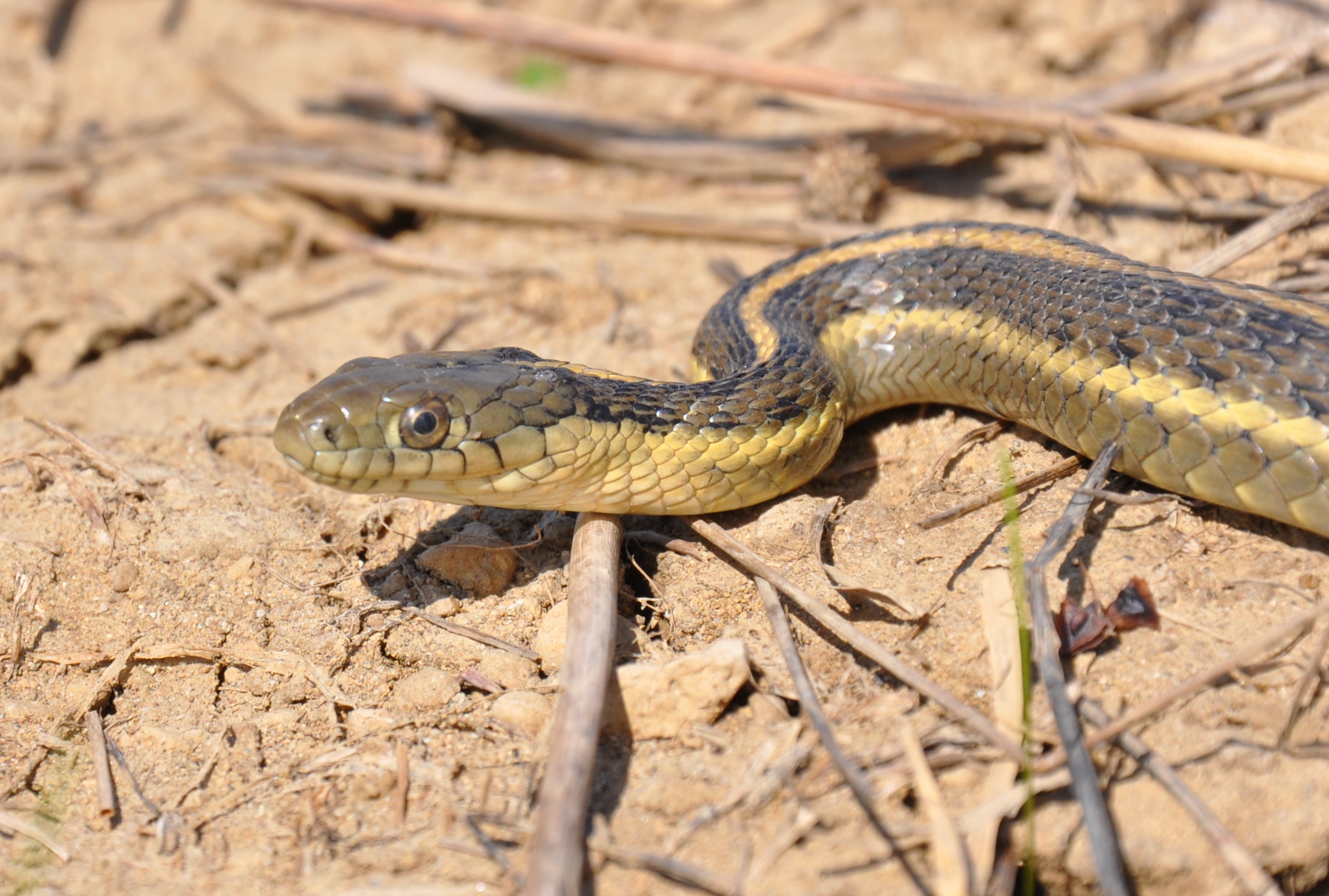
Snake in irrigation valve box what to do is a yard-maintenance problem because the box is small, dark, and built for blind hand work. People often kneel down, flip the lid, and reach for wires or valves before they understand that the box can also hold frogs, insects, rodents, moisture, and the snakes that follow those resources.
Do not reach into the box to trace wiring, twist a solenoid, or clear debris while the snake is still inside or unaccounted for. Keep children and pets back, stand to the side, and note whether the animal is coiled against the wall, tucked under pipework, or using the lid opening as its exit route.
Valve boxes attract snakes because they stay cooler and more humid than open grass, especially during hot weather. They also sit along fence lines, planting beds, and foundation edges that already function as movement corridors. Once the lid is lifted, the snake may either hold tight in the box or launch for the nearest cover at ground level.
If you can do so safely, take one photo from above without leaning directly over the opening. Do not poke inside with a screwdriver or hold the lid partly shut to trap the snake for a better look. Utility boxes create close-range surprises and make species guesses worse when the view is partial.
SnakeSnap can help compare likely species from a safe photo, but any low-confidence result should keep the response conservative. If the app suggests a venomous possibility or the valve box must be serviced right away, use local wildlife help. For prevention, trim dense cover around the box, keep the lid seated correctly, and inspect from a distance before each irrigation repair.