


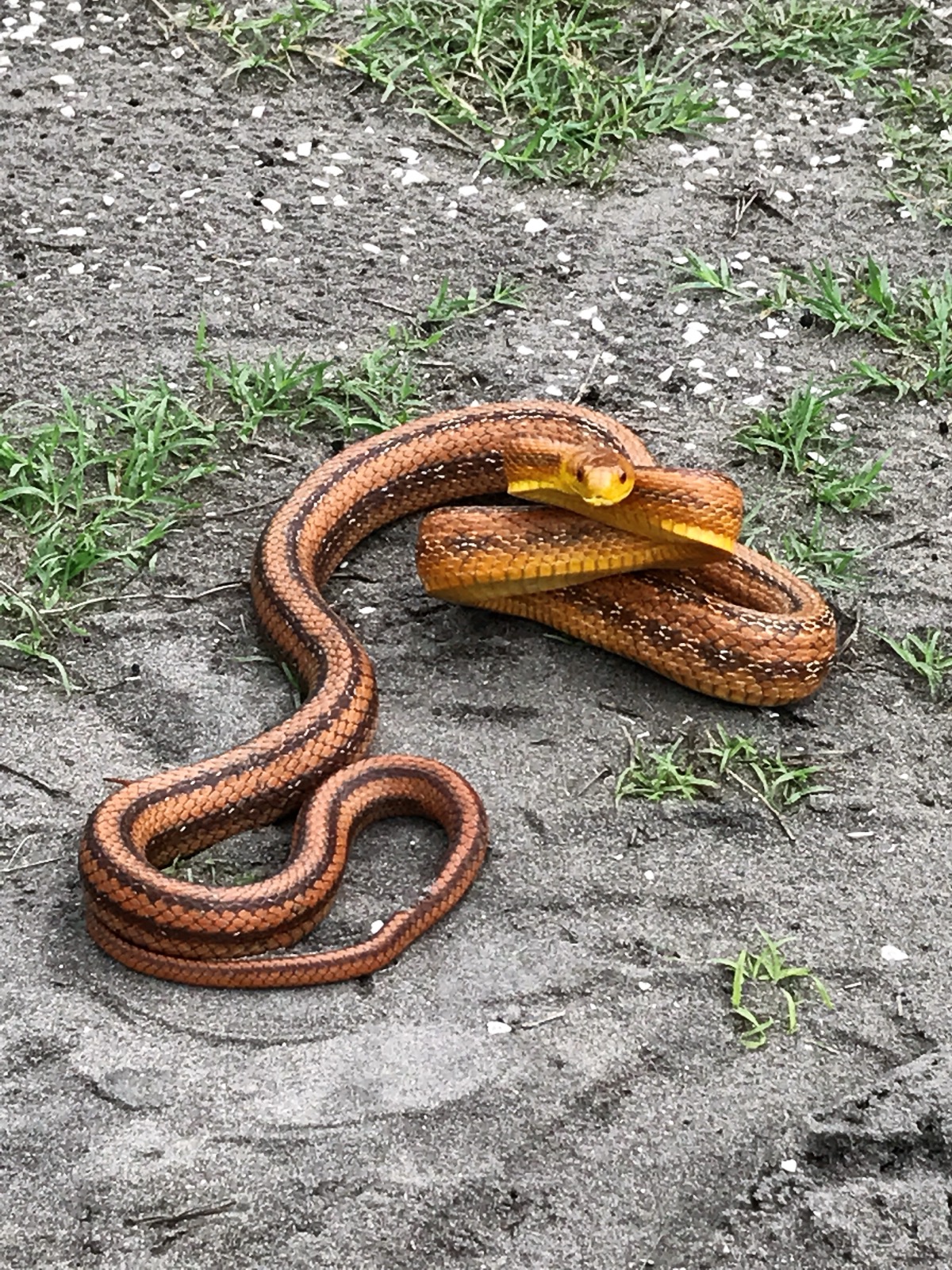
Finding a snake inside your home is an experience that can certainly send a jolt of alarm through anyone. However, it's important to remember that such encounters are often accidental on the snake's part, and most snakes that wander indoors are non-venomous species. They are usually seeking refuge from extreme weather, a meal, or simply got lost. Your first and most crucial step upon discovering an unexpected reptilian visitor is to remain calm, as a calm approach allows for clear thinking and ensures safety for both you and the snake.
Snakes are opportunistic creatures, and they can enter homes through surprisingly small openings. Common entry points include unsealed gaps around pipes, cracks in foundations, damaged window screens, open doors, or even through gaps under garage doors. They might be following a scent trail of rodents, seeking a cool, damp spot in summer, or a warm, dry spot in winter. Identifying how they got in can also help prevent future unwelcome visits by taking steps to seal potential entry points around your home's perimeter.
Once you've spotted a snake, the next step is to identify it, but always from a safe distance. Do not approach or attempt to touch the snake. Take note of its size, color patterns, and general body shape. Many of the snakes commonly found indoors are smaller, non-venomous species such as garter snakes, brown snakes, or various rat snakes, which are primarily seeking shelter or prey like mice. While a triangular head is sometimes cited as a sign of venom, this rule is not always reliable and should not be your sole indicator; focus on overall appearance from afar.
If the snake is small, clearly non-venomous (and you are absolutely certain), and you feel comfortable, you might attempt to contain it. A common method is to gently place a large bucket or trash can over the snake, then slide a piece of sturdy cardboard or a broom pan underneath to trap it. Once contained, you can carefully carry it outside and release it in a safe, distant location away from your home. However, this method should only be attempted if you are confident in your ability to do so safely and without direct contact with the snake.
For larger snakes, any snake you cannot positively identify as non-venomous, or if you simply feel uneasy about handling it yourself, the safest and most recommended course of action is to call for professional help. Local animal control, a professional snake removal service, or a wildlife rescue organization are equipped with the knowledge and tools to safely and humanely remove the snake. Avoid trying to corner or provoke the snake, as this can lead to a defensive bite, even from a non-venomous species.
It's important to dispel common myths about snakes in homes. Snakes do not intentionally 'invade' your living space; they are simply seeking resources or shelter and become disoriented. They are not inherently aggressive and will typically only bite if they feel threatened or are handled. Never attempt to kill a snake, as this not only puts you at greater risk of being bitten but is also unnecessary, as most are harmless and play a vital role in the ecosystem, particularly in rodent control.
An unexpected snake encounter in your home can be unnerving, but by staying calm and following these safety guidelines, you can ensure a safe resolution for everyone involved. Remember, the best way to determine if a snake is venomous is to observe its markings and characteristics from a distance. If you can safely get a clear photograph, the SerpentID app can help you identify the species against local populations. If you suspect it's a venomous snake, or if you are unsure, contact local wildlife services or a professional snake removal expert immediately for safe handling and relocation.