


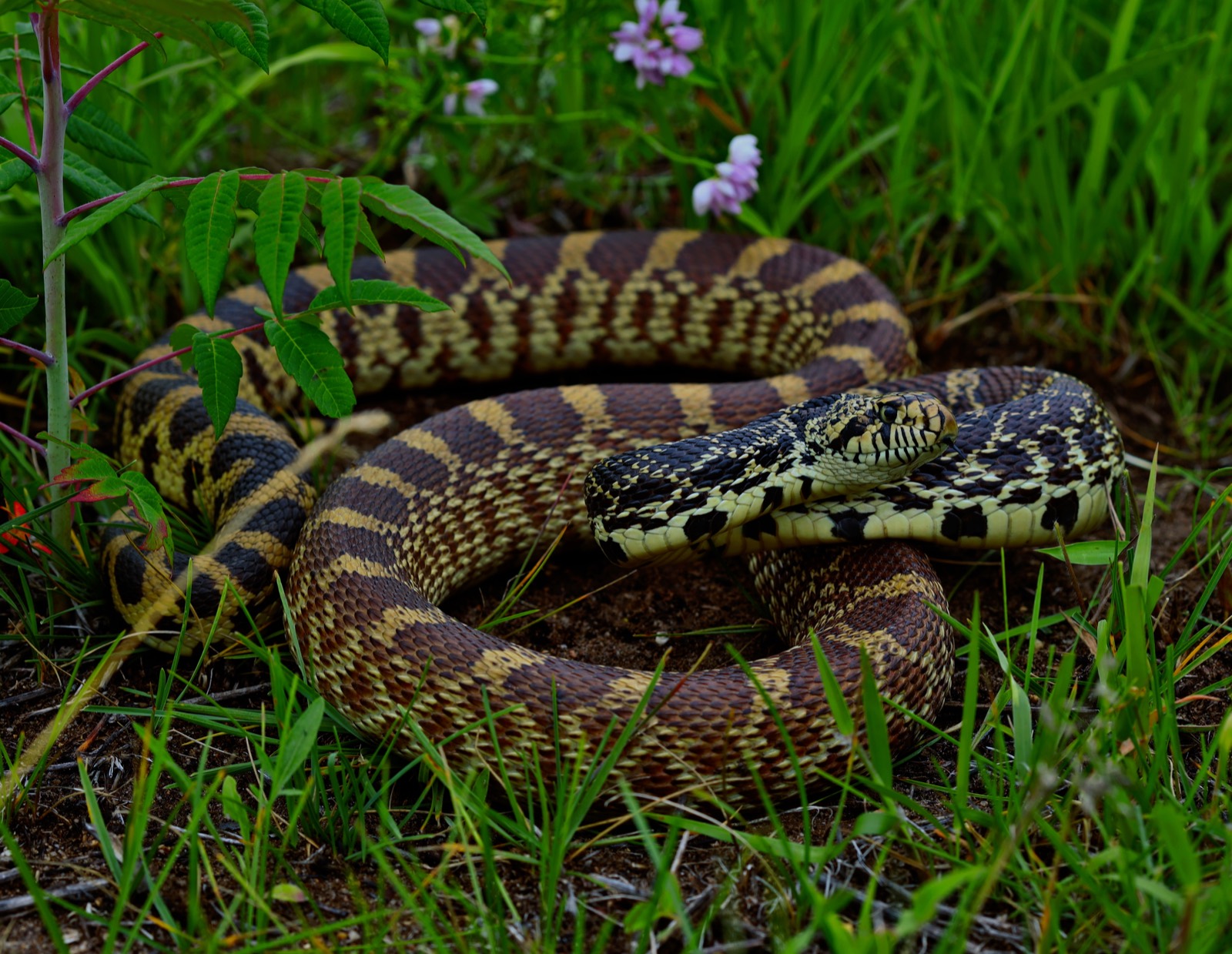
Snake in hay bale what to do is a farm and homestead safety search because hay hides movement and puts hands close to twine, flakes, feed bins, and animal areas. Stop pulling hay as soon as you see a snake or suspect one is inside the stack. Keep children, pets, and livestock away from the immediate bale area.
Do not lift twine, reach between bales, kick the stack, or keep feeding from the same hay until the snake's position is clear. Avoid using a pitchfork blindly into gaps. If the snake is partly visible, give it an open route away from people and animals rather than pinning it between stacked bales.
Hay attracts snakes indirectly through shelter, warmth, moisture pockets, and prey. Mice, insects, spilled grain, barn edges, tarps, pallets, and long undisturbed storage can make a hay stack useful habitat. A snake in hay may be helping control rodents, but that does not make hand placement safe.
If a safe photo is possible, take it from outside striking distance and include the visible body pattern plus the bale layout. Do not pull hay aside for a better head shot or hold twine while photographing. Hay texture can hide exactly where the head and tail are, especially in dim barns.
SerpentID can help compare visible markings from a safe photo, but hay-bale encounters should stay cautious when only part of the body is visible. If the app suggests a venomous possibility, the snake remains inside feed hay, or animals need access immediately, contact local wildlife help before moving the stack. Afterward, reduce rodent access, store hay on pallets with inspectable edges, and check bale gaps before feeding.