


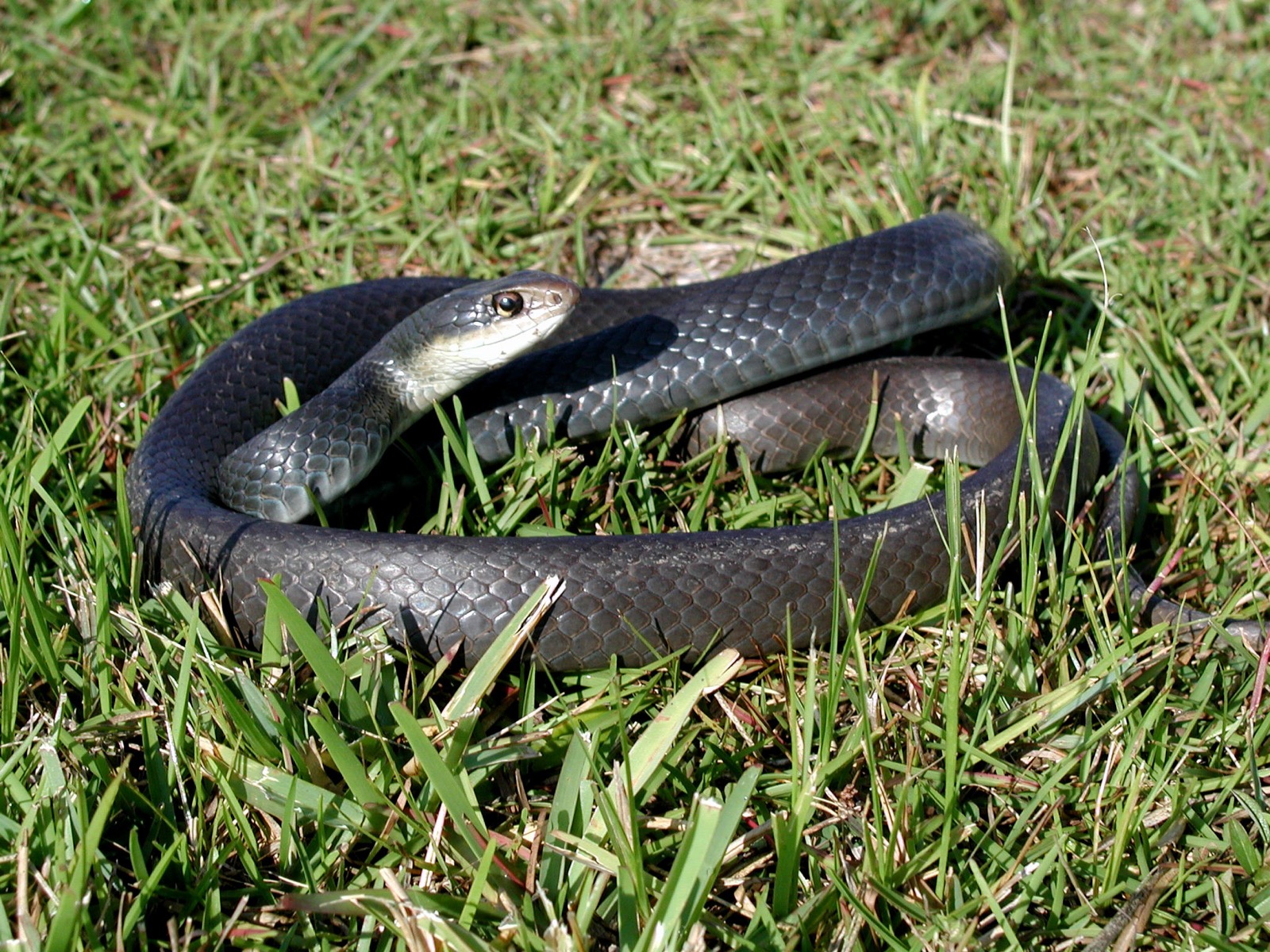
Snake in gazebo what to do is a high-intent patio search because gazebos collect exactly the objects people grab without looking: cushions, throws, storage boxes, planters, side tables, and furniture covers. The structure also creates shade and edge cover that snakes may use while moving through a yard. The encounter becomes risky when someone starts tidying the seating area by hand.
Do not sit down to get a better look, lift cushions, or reach behind posts and curtains to check the corners. Start by clearing people and pets from the gazebo and watching from outside the structure if possible. Snakes may be under seating frames, coiled along the skirt edge, or tucked beside decor where hands would naturally go next.
Gazebos are rarely isolated encounters. Dense shrubs, mulch beds, nearby water features, bird activity, and rodent traffic around patios can all increase the chances of a snake using the structure as temporary shade. The pavilion itself is often only the visible part of a larger habitat pattern.
If the snake remains visible, take one stable photo from the edge of the gazebo that shows both the body pattern and the furniture context. Do not start shaking covers or sliding chairs to force movement. A stressed snake in a furnished seating area can disappear into more blind spots or exit toward your feet faster than expected.
SerpentID can help compare the visible pattern against common yard species, but uncertain results should keep the response conservative. If the app suggests a venomous possibility or the snake disappears into furniture you need to handle, use local wildlife help. After the encounter, reduce clutter, inspect the base perimeter, and trim nearby cover so the gazebo is less useful as a resting pocket.