


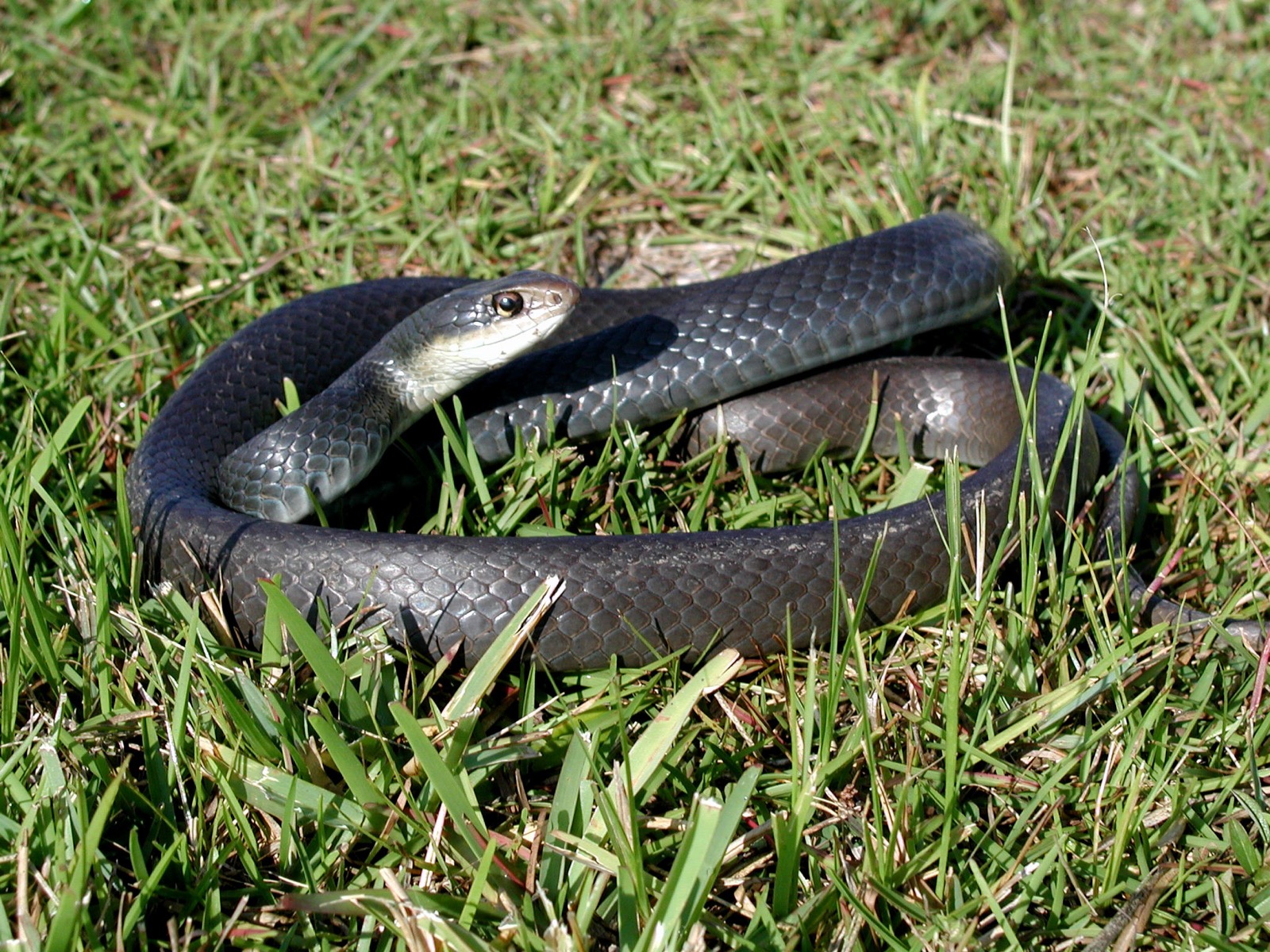
Snake in fire pit what to do is a high-risk backyard search because the animal may be hidden under a metal cover, inside stacked kindling, beside ash, or against the ring wall exactly where hands reach before lighting. Pause the fire setup, keep children and pets away, and do not add fuel while the snake's position is uncertain.
Do not light paper, pour lighter fluid, rake ash by hand, lift the cover from close range, or shake wood to make the snake leave. Heat, smoke, and sudden movement can trap the animal, reduce your visibility, and send it toward bare feet, patio furniture, or nearby storage.
Fire pits attract snakes indirectly through warmth retained by stone or metal, shade under covers, insects, lizards, frogs, rodents near food scraps, and gaps beneath stacked firewood. A fire pit beside a fence, deck step, wood rack, tall grass, or patio storage can become a sheltered stopping point between active areas.
If the snake remains visible, take one photo from outside striking distance and include the fire pit, cover, wood stack, nearby seating, and visible body pattern. Do not move logs or scrape ash for a clearer view. A context photo gives SerpentID useful clues without turning the encounter into close hand work.
SerpentID can help compare visible markings, but fire-pit encounters should stay conservative because ignition, fuel, and low light can change the scene quickly. If the app suggests a venomous possibility, the snake is under the cover, or the area must be used soon, contact local wildlife help. Afterward, store firewood elevated, clean food residue, keep covers tight, and inspect the ring before placing hands or kindling inside.