


Snake in dryer vent what to do is a high-intent home safety search because the animal may be inside a duct, behind an exterior flap, or close to a laundry room wall where visibility is poor. Stop using the dryer immediately and keep people, pets, and curious neighbors away from the vent opening.
Do not remove the exterior cover by hand, reach into the duct, run the dryer to force movement, or push a tool deep into the vent. Heat, vibration, and pressure can make the snake move unpredictably, and a narrow duct gives you very little reaction time if the animal is close to the opening.
Dryer vents can attract snakes indirectly through warmth, insects, rodents, loose lint, wall gaps, and sheltered exterior landscaping. A missing flap, cracked cover, low vent height, or vegetation touching the wall can turn the vent area into a usable hideout rather than a random crossing.
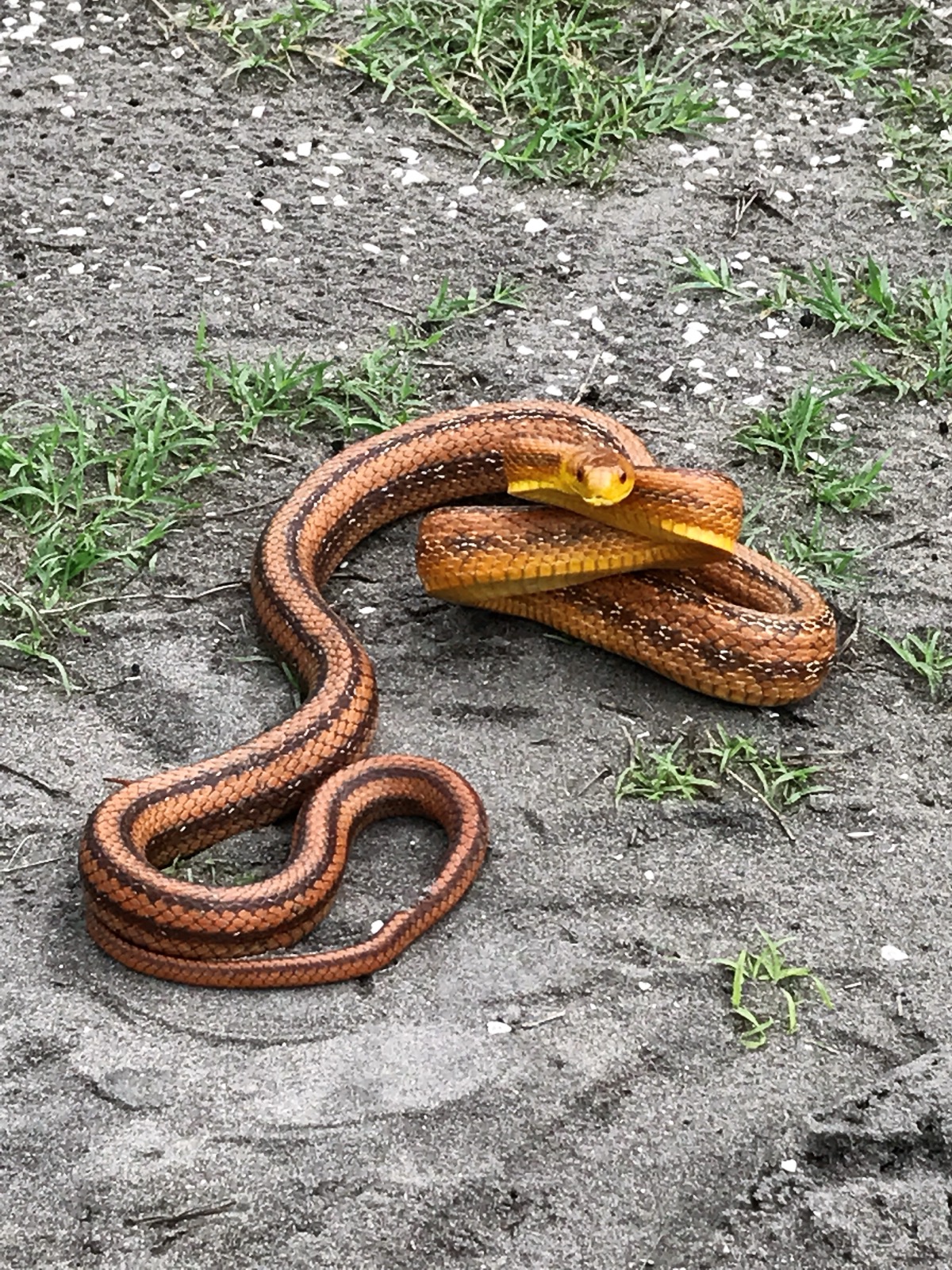
If the snake is visible, take one photo from outside striking distance and include the vent cover, wall, and visible body pattern. Do not put a phone inside the duct or lift the flap with bare fingers for a better angle. A wider image is safer and often more useful than a risky close-up.
SerpentID can help compare visible markings from a safe photo, but dryer-vent encounters should stay conservative when the snake disappears into the duct or the species is uncertain. If the app suggests a venomous possibility, the snake remains inside the vent, or the dryer must be used soon, contact local wildlife help and an appliance or vent professional after the area is clear. Long term, replace damaged covers, trim vegetation, and add a secure wildlife-safe vent guard.