


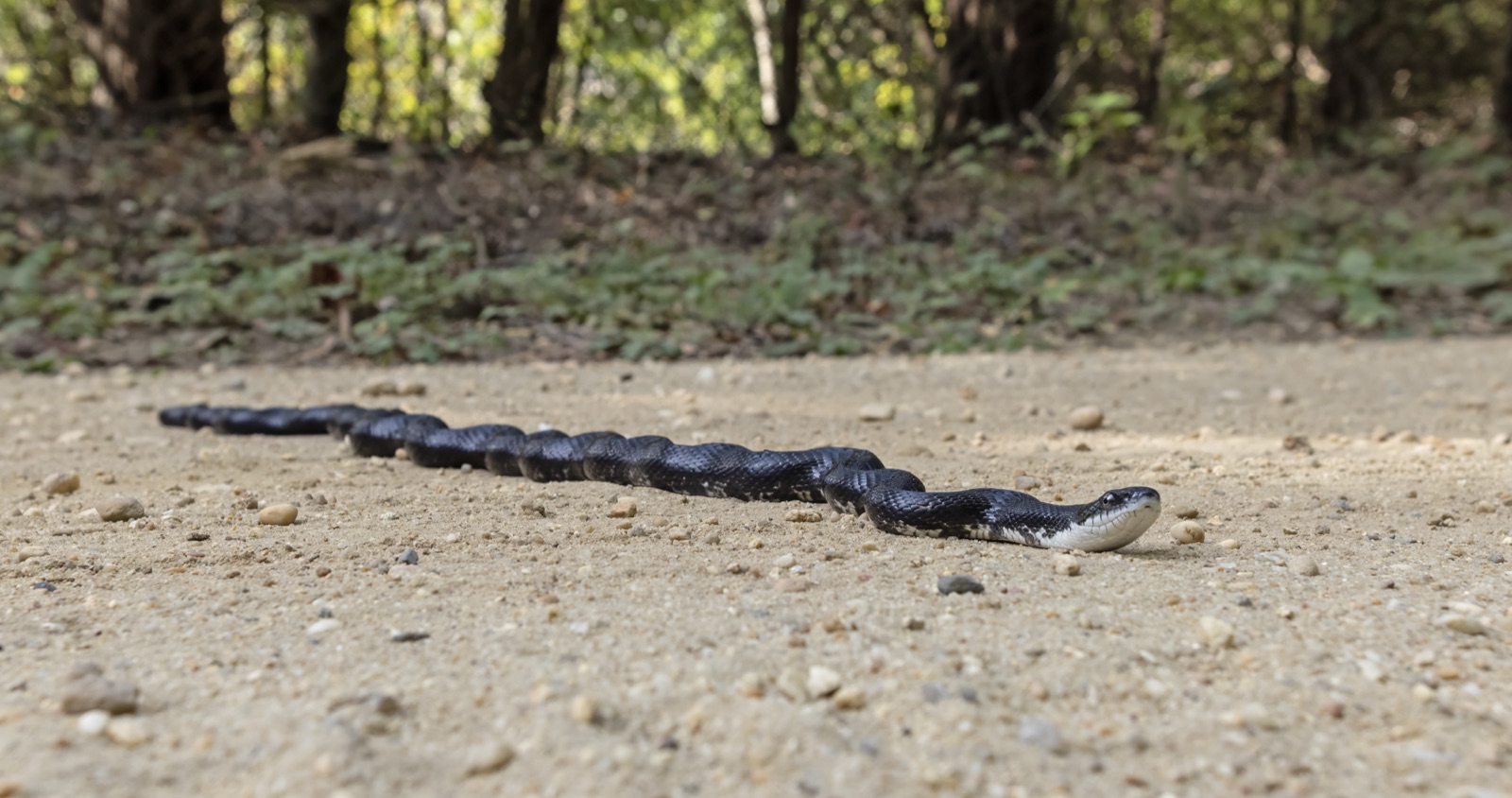
Finding a snake tucked between the hoses and wiring under your car's hood is unsettling, but it is a well-documented situation in all three countries our readers live in. In the United States, rat snakes and racers are frequent culprits. In Australia, people regularly report pythons and occasionally brown snakes under bonnets, and in India, rat snakes, wolf snakes, and sometimes cobras or kraits turn up in parked vehicles, especially during the monsoon. The good news is that a snake in an engine bay is almost never there to confront anyone. It went in for reasons that make sense from a snake's point of view, and understanding those reasons helps you respond calmly.
The two main attractions are warmth and food. A recently driven car holds heat in the engine block for hours, and snakes are ectotherms that depend on outside warmth to regulate their body temperature, so a cooling engine on a mild evening can be an appealing spot. The second draw is rodents. Mice and rats commonly nest in engine compartments, chew wiring, and stash food in air filter housings, and rodent-hunting snakes follow those scent trails right up the tires and suspension. Cover matters too: an engine bay is a dark, enclosed space full of gaps, which is exactly the kind of shelter a snake looks for when it feels exposed.
The most important rule is not to reach into the engine bay or under the car. You often cannot see the whole snake, and a hand moving into a tight space is one of the classic ways people get bitten, because the snake feels cornered and has nowhere to go. Do not start the engine to scare it out either. Moving belts and fans can badly injure the snake, and a frightened snake may push deeper into the vehicle rather than leaving. Driving off in the hope that it will fall out is also a bad idea: it may stay hidden, end up wedged somewhere harder to reach, or, in some vehicles, find a route toward the cabin air intake, leaving you with a far more dangerous surprise while you are behind the wheel.
Instead, step back to a comfortable distance, keep children and pets well away, and if the hood is already open, leave it open rather than reaching up to close it. Many snakes leave on their own once the engine cools and the area is quiet, often after dark, so simply giving it time is frequently the most effective approach. If you saw where the snake went, watch from a distance and note whether it emerges. Skip home remedies such as spraying water, using smoke, pouring chemicals, or banging on the bodywork. These rarely work, can damage the car, and tend to push the snake further into hiding instead of out into the open.
If the snake will not leave, you are not sure whether it has left, or there is any chance it is venomous, call for help. Local wildlife services, licensed snake catchers or rescuers, and in some areas animal control can safely remove snakes from vehicles, and some roadside assistance providers will help coordinate. Tell them the make of the car, where you last saw the snake, and share a photo if you have one. Do not try to kill the snake; attempts to kill snakes are a common cause of bites, and many species are legally protected. If anyone is bitten, seek professional medical help immediately.
Prevention comes down to making your car less interesting. Park away from long grass, woodpiles, and dense shrubs when you can, and deal with rodent problems around garages, carports, and sheds by storing pet food, birdseed, and grain in sealed containers. In warm months or snake-prone areas, take a quick look around the tires and under the front of the vehicle before you open the hood or get in, especially in the morning after the car has sat overnight. If you notice chewed wiring or nesting material under the hood, that is a sign rodents are using the car, which also means snakes may follow.
When you do spot a snake in or around your vehicle, knowing what it is changes how urgently you need to act. Take a photo from a safe distance, without leaning in or reaching toward the engine, and let SerpentID compare its markings, head shape, and body pattern against the species most likely in your area. Many snakes found in cars turn out to be harmless rodent hunters that will leave on their own, but if the result suggests a venomous species, keep everyone back and contact your local wildlife service or a licensed snake catcher to handle the removal.