


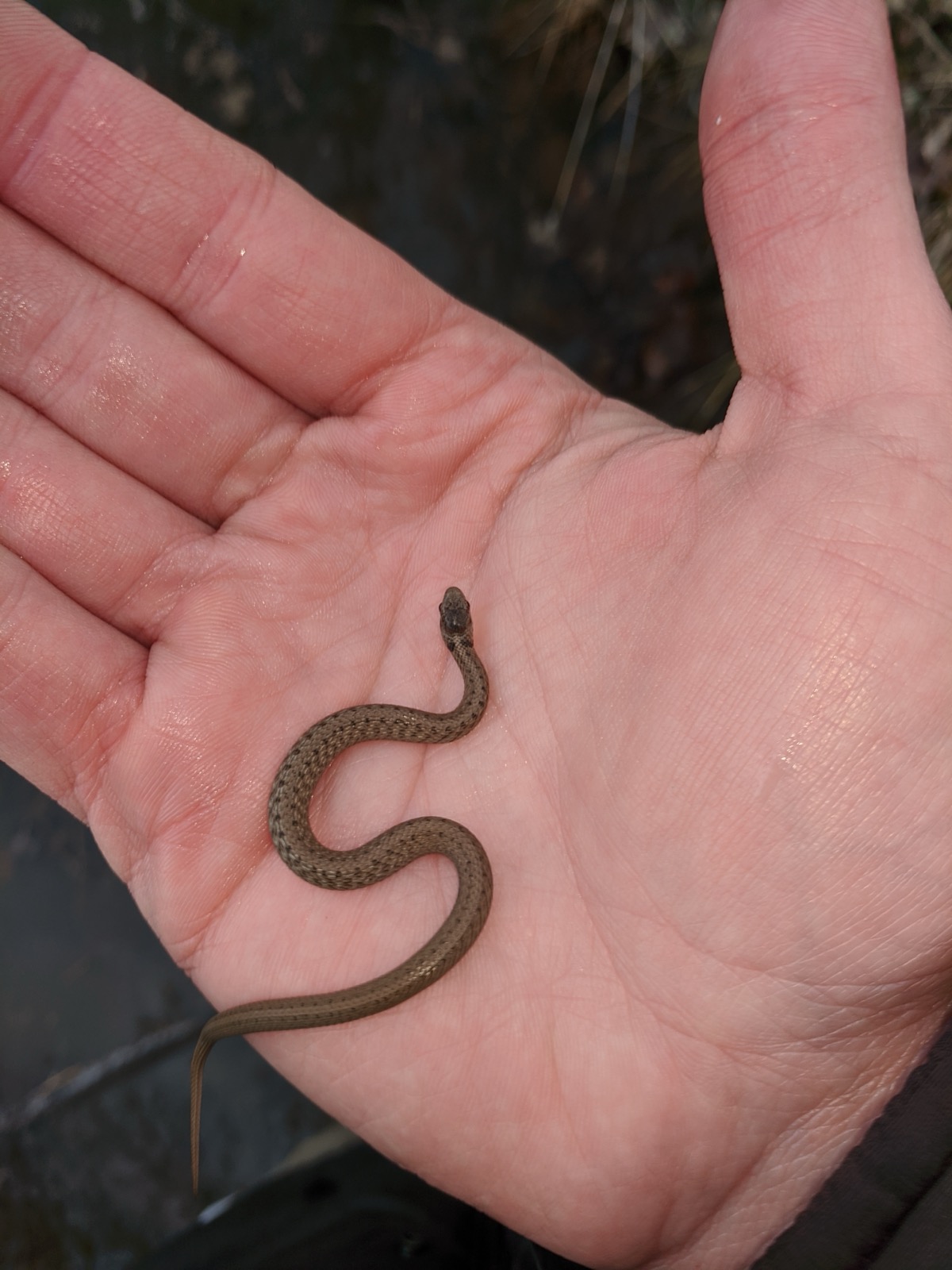
Snake in bedroom what to do is a high-stress indoor search because the animal is already in a room full of bare feet, fabric, shoes, and low furniture. The safest first move is to stop normal room activity. Do not keep dressing, shake blankets, or kneel beside the bed to look underneath while the snake's exact position is uncertain.
Move people and pets out of the bedroom, close nearby interior doors if you can do it without approaching the snake, and keep the floor clear from the doorway. Do not lift bedding, pull storage bins, or reach behind nightstands by hand. Bedrooms create many short-range hiding places, and a rushed search can move the snake into a closet, laundry pile, or hallway.
Bedroom sightings usually begin with an entry route somewhere else: a door sweep gap, garage threshold, laundry room, bathroom plumbing opening, crawl-space access, or exterior wall crack. The snake may only be using the bedroom because it found the nearest dark refuge after entering the home, not because anything in the room attracted it directly.
If the snake remains visible, take one stable photo from outside striking distance and include the room context. A wider image showing body pattern, size, and nearby furniture is safer than leaning under the bed for a close-up. If the snake disappears under furniture, stop the search and treat the room as unresolved until help or a safer inspection method is available.
SerpentID can help compare visible markings from a safe image, but bedroom encounters should stay conservative when confidence is low or the body is partly hidden. If the app suggests a venomous possibility, the snake moves into bedding or clothing, or someone must reenter the room soon, contact local wildlife help before moving items by hand. Afterward, inspect door sweeps, baseboard gaps, plumbing penetrations, and cluttered floor zones.