


Snake in attic vent what to do becomes stressful fast because the sighting usually happens from below, from a ladder, or near roofline hardware that is already awkward to inspect safely. The mistake is trying to confirm the situation by hand at the vent itself, which combines poor footing, blind louvers, and a hidden animal that may move before you can react.
Do not remove the vent cover, stick fingers into louvers, or climb higher for a better angle while the snake is still near the opening. Start by backing off, keeping others away from the ladder zone, and watching whether the snake is entering the vent, crossing the siding, resting along trim, or simply moving past the roof edge.
Attic vents attract snakes less as destinations and more as route features. Warm walls, sun-heated siding, nearby trees, roofline gaps, and prey activity in attics or eaves can all make the area part of a travel corridor. A single sighting may reflect a broader entry issue around the roofline rather than one isolated vent problem.
If the animal is visible from the ground or a stable distance, take one clear zoomed photo and stop there. Do not tap the vent, spray water upward, or try to force the snake to drop. Once a snake disappears into a vent, soffit, or eave gap, the next step should be inspection by someone who can work the height and entry point safely.
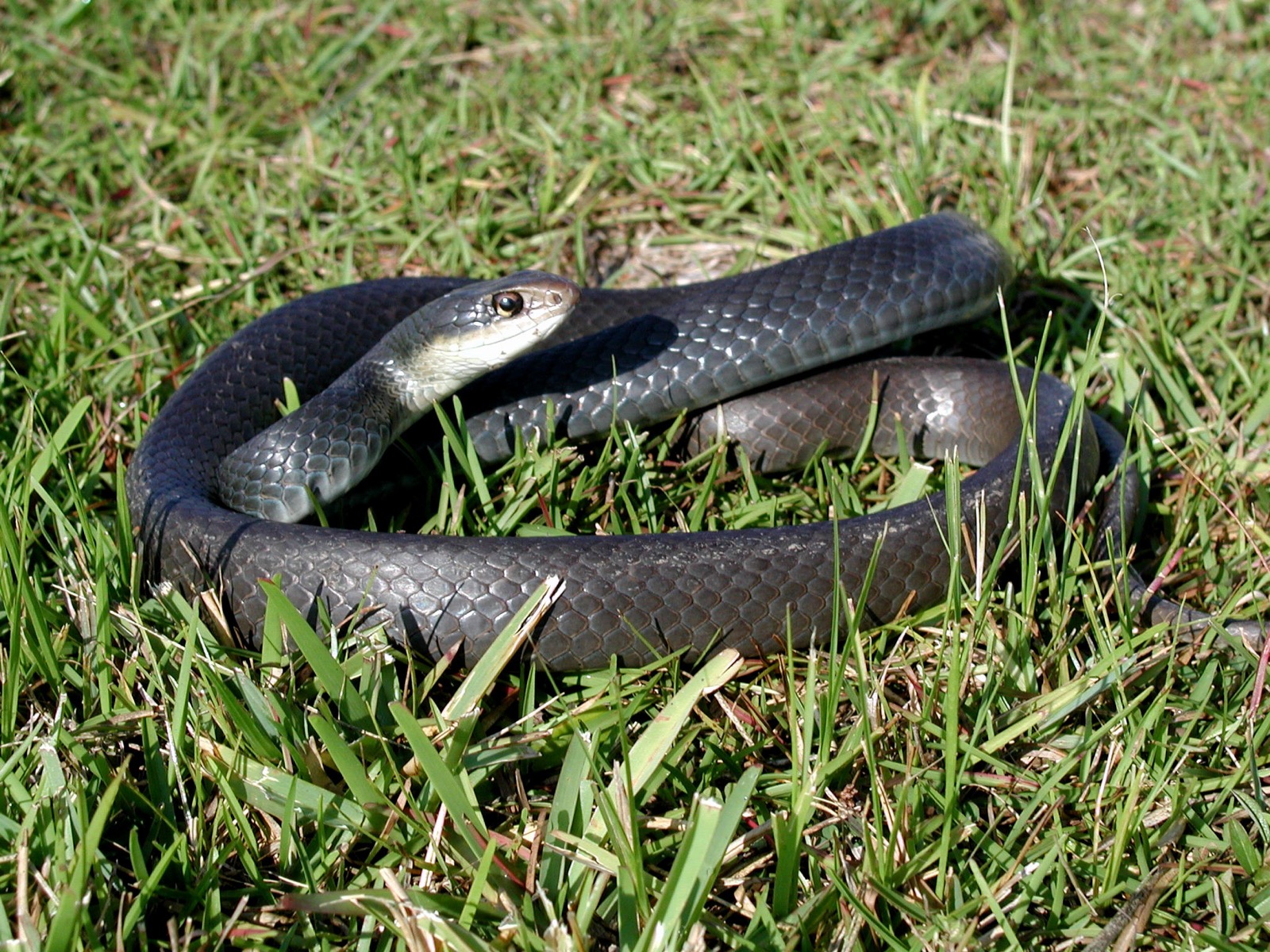
SerpentID can help compare likely species from that first image, but low confidence should still widen your safety margin around ladders and wall openings. If the app suggests a venomous match or the snake disappears into the structure, contact wildlife removal or a qualified local professional. Afterward, review vent screening, nearby branches, and wall gaps so the roofline stays less accessible.