


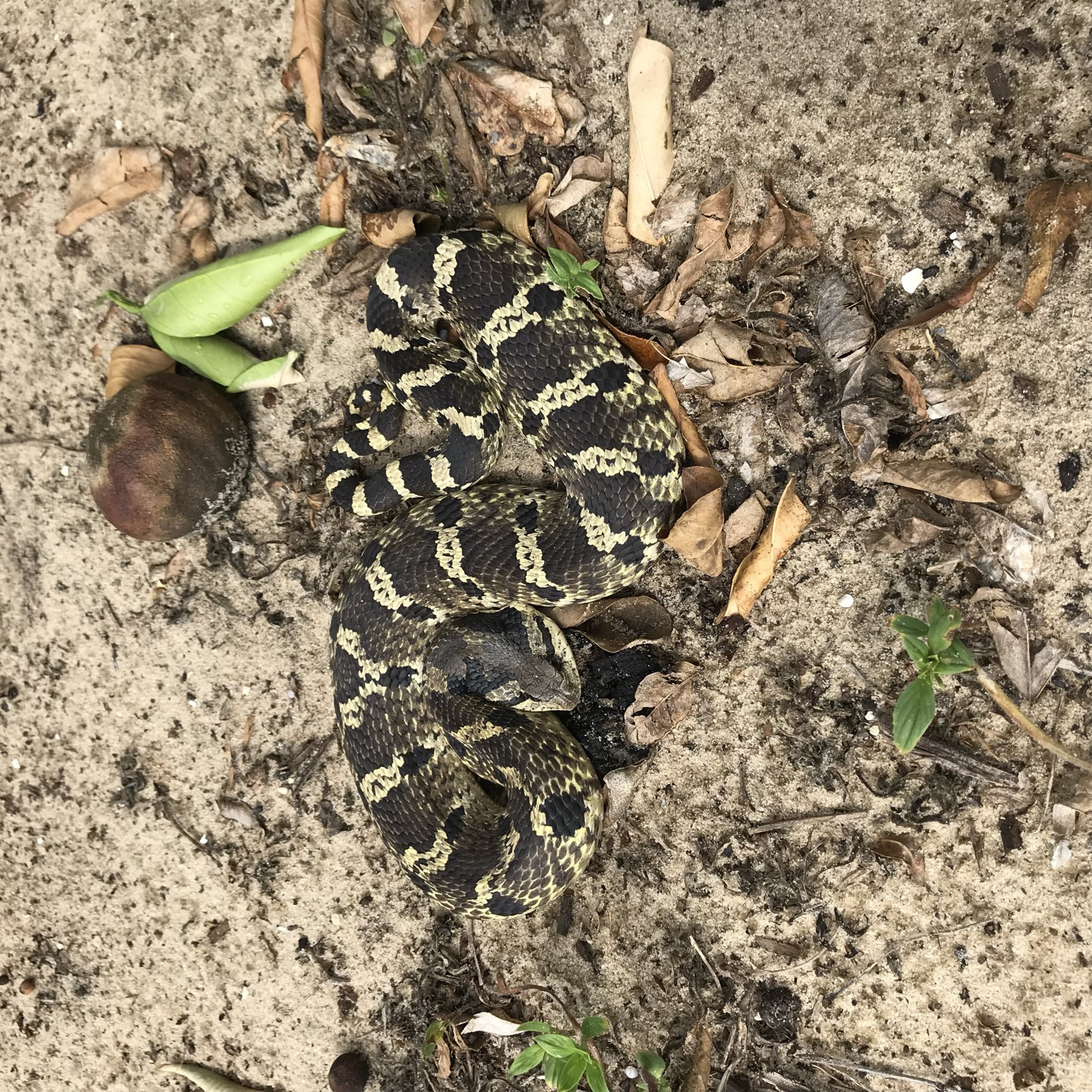
One of the most enduring and potentially dangerous myths about snake identification is the idea that all venomous snakes have a distinctly triangular head, while non-venomous snakes possess a more rounded head. This belief is widely circulated and often used as a quick rule of thumb for distinguishing between dangerous and harmless species. However, relying on head shape alone for identification is a critical error that can put you at risk, as it frequently leads to misidentifications in both directions.
The primary reason this head-shape rule is unreliable stems from the fact that many harmless snakes have evolved to mimic the appearance of venomous ones. When threatened, a non-venomous snake might flatten its head and neck, spreading its jaws to make its head appear much broader and more triangular than it naturally is. Species like the hognose snake, some rat snakes, and various water snakes are masters of this bluff, adopting a very intimidating triangular head shape when they feel cornered. This defensive behavior, while effective at deterring predators, completely undermines the simple head-shape identification rule.
Furthermore, not all venomous snakes fit the triangular head mold. While vipers, such as rattlesnakes and copperheads in North America, or many pit vipers in Asia, often do possess broad, triangular heads due to the presence of large venom glands behind their eyes, other highly venomous snakes do not. Elapids, a family that includes cobras, mambas, and coral snakes, typically have more slender, rounded heads that are not significantly wider than their necks. If you were to apply the triangular head rule to these species, you would mistakenly identify them as harmless, with potentially fatal consequences.
The actual variation in snake head shapes is more complex than a simple venomous/non-venomous dichotomy. The shape is influenced by factors such as the snake's diet, its hunting strategy, and the placement of its sensory organs. For example, some snakes have large, powerful jaw muscles for constricting prey, which can give their heads a bulkier appearance. While the presence of large venom glands can contribute to the triangular appearance in some venomous species, it is not a universal indicator.
Attempting to identify a snake based solely on its head shape is a gamble that is simply not worth taking. A frightened harmless snake might appear deadly, while a truly dangerous venomous snake might be dismissed as benign. This leads to unnecessary fear and harm to non-venomous snakes, or worse, a false sense of security around a venomous one. True identification requires observing a combination of features, including overall body pattern, coloration, scale characteristics, pupil shape, and even behavior, from a safe distance.
Instead of relying on a single, flawed characteristic like head shape, a safer and more accurate approach involves observing multiple features and, if possible, photographing the snake from a respectful distance. Remember that no single trait guarantees a snake's identity or venomous status. Many venomous species exhibit a variety of patterns and colors, and harmless look-alikes exist in almost every region. Always assume a snake could be venomous if you are unsure, and give it ample space.
For reliable identification, especially when your safety is a concern, use a trusted resource like the SerpentID app. Photograph the snake from a safe distance, ensuring clear visibility of its patterns, head, and body. Our app can compare these markings against likely local species, providing a more accurate assessment than relying on unreliable myths. If you suspect a snake is venomous, do not approach it. Contact local wildlife services or a professional snake removal service for assistance, and if a bite occurs, seek professional medical help immediately.