


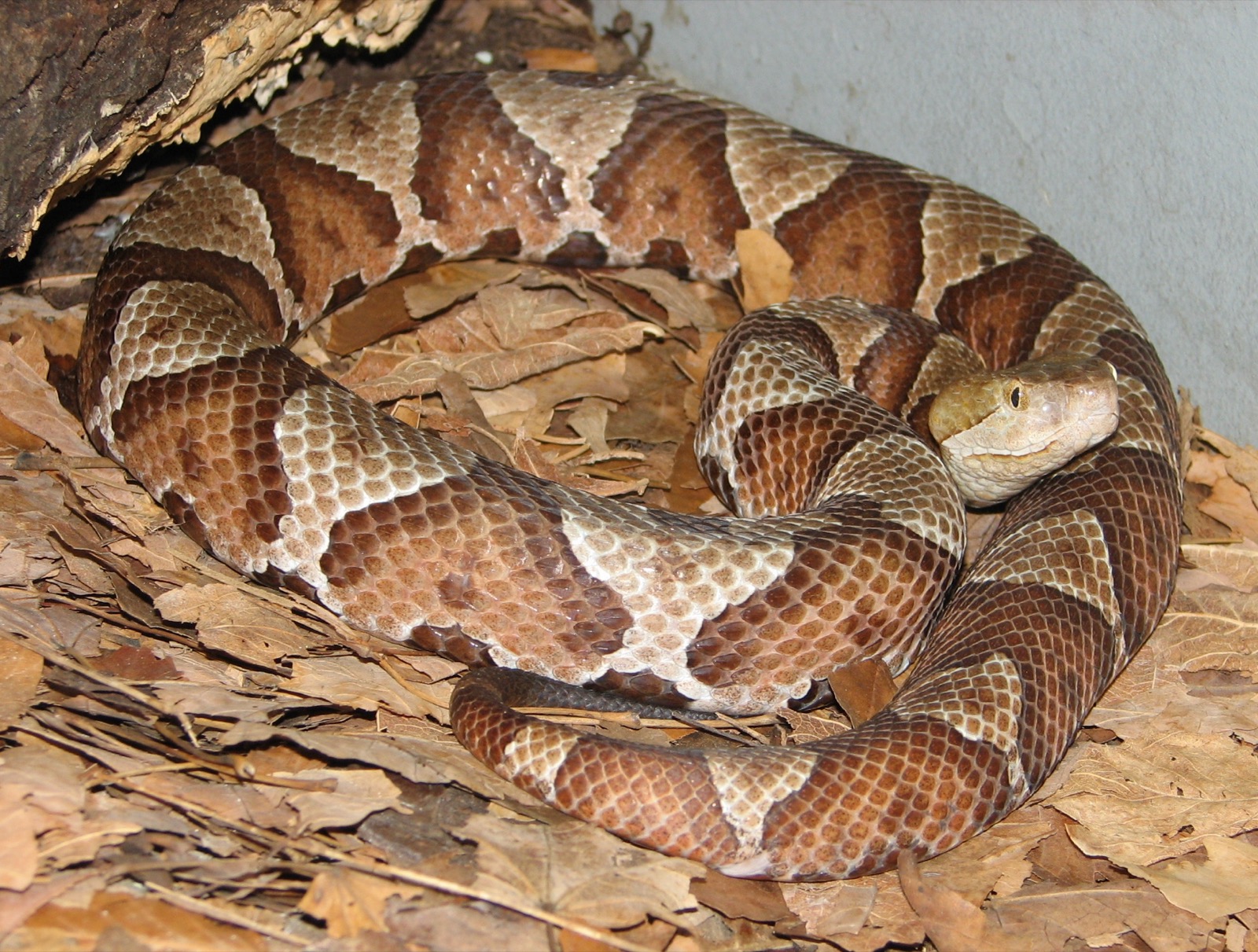
Because cats are curious, instinctive hunters, encounters between domestic feline pets and local snakes are surprisingly common across suburban and rural landscapes. Unlike dogs, which often approach snakes with loud barking and get struck on the snout or nose, cats tend to stalk, corner, or swat at snakes, resulting in strikes to their front paws, legs, chest, or chin. Recognizing a snake bite on a cat can be uniquely challenging because their dense fur conceals small puncture wounds and their physiological response to stress leads them to hide quietly rather than vocalize.
The clinical signs of a snake bite on a cat vary depending on whether the snake was venomous and how much venom was injected. In non-venomous bites, localized swelling, minor bleeding, and sensitivity around the site are typical. However, a bite from a venomous species like a pit viper or elapid can cause rapid tissue swelling, severe pain, lethargy, muscle trembling, vomiting, sudden weakness, dilated pupils, and rapid or labored breathing. In severe cases, cats may experience complete collapse or paralysis within minutes to hours, making immediate action vital to their survival.
If you witness a snake strike your cat or suspect an encounter has occurred, the immediate priority is to restrict the animal's movement and transport it directly to an emergency veterinary hospital. Keep your cat inside a secure, dark pet carrier to reduce anxiety and physical movement, as elevated heart rates accelerate the systemic spread of venom through the bloodstream. Do not attempt to catch or kill the snake that bit your pet, as doing so puts you at immediate risk of receiving a bite yourself.
Well-meaning pet owners often attempt home first-aid remedies that do far more harm than good. You should never cut into the puncture site, attempt to suck out venom, apply ice packs, or tie a tourniquet around your cat's limb, as these measures worsen localized tissue necrosis and compromise circulation. Similarly, do not administer human pain medications or over-the-counter antihistamines unless explicitly directed by a licensed veterinarian on duty, as many off-label medicines are toxic to feline physiology.
At the veterinary clinic, treatment typically focuses on stabilizing vital functions, managing severe tissue inflammation, administering intravenous fluids, and providing pain management. If a venomous snake was involved and the species can be determined, antivenom may be administered when indicated by the attending veterinarian. Because cats have smaller body masses relative to the typical volume of venom delivered during a defensive strike, early medical intervention significantly improves recovery outcomes.
Preventing feline snake encounters requires proactive habitat management around your home and property. Keeping cats indoors, particularly during dawn, dusk, and nighttime hours when many snake species are actively foraging, dramatically reduces risk. In your yard, keeping lawn turf short, clearing brush and rock piles, and eliminating rodent harborages removes both the cover and food sources that draw snakes into spaces frequented by domestic pets.
If you find a snake near your home or where your cat was roaming, identifying the species quickly helps you assess local risk without taking dangerous chances. Photographing the snake from a safe distance allows SerpentID to analyze its pattern, scale texture, and head shape against native species in your region. If the snake turns out to be a venomous species, keep children and pets indoors and contact professional wildlife removal services to safely relocate the animal.