


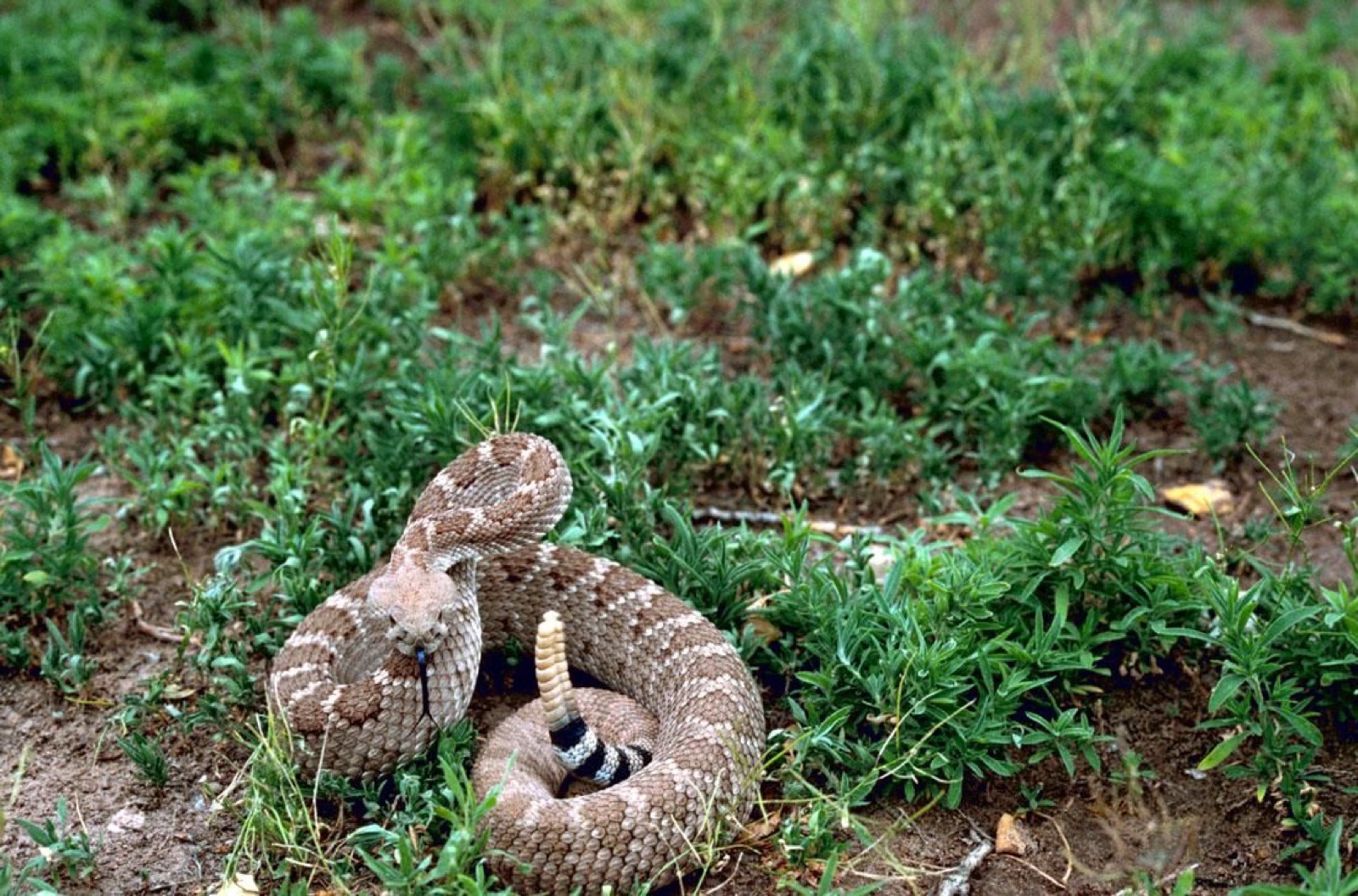
Discovering or suspecting a snake bite on a horse is a terrifying situation for any owner, rider, or livestock caretaker. Horses are naturally curious animals, and because they graze with their noses close to the ground, the vast majority of snake bites occur on the muzzle, face, or lower legs. While equine snake bites are frequently survivable due to the horse's massive body mass relative to the amount of venom injected, bites on the nose and face present a unique and urgent danger: rapid, severe swelling that can compromise the animal's ability to breathe.
Recognizing the signs of a bite early is key to getting effective help. Physical symptoms often include sudden, extreme localized swelling, clear fang marks, localized heat, oozing blood, or sudden lameness if the bite occurred on a leg. A horse bitten on the muzzle may begin breathing heavily or making harsh, labored rattling noises as their nasal passages swell shut. Behavioral signs include acute distress, sweating, elevated heart rate, depression, and reluctance to move. If you notice these signs in a pasture, assume a snake bite until a veterinarian proves otherwise.
Your immediate reaction in the first few minutes can significantly impact the outcome. First, keep yourself and the horse as calm as possible, as an elevated heart rate accelerates the circulation of venom through the bloodstream. Halter the horse gently and move it to a shaded, secure area without forcing it to walk long distances. Immediately call your veterinarian or an emergency equine hospital to report the situation. If the bite is on the muzzle and breathing is beginning to sound restricted, ask your vet if you should insert short pieces of soft rubber hose or tubing into the nostrils to keep the airway open as tissues swell.
While waiting for professional help, avoid dangerous first-aid myths that do more harm than good. Never cut into the bite site, attempt to suck out the venom, or apply tight tourniquets or ice packs, as these actions destroy localized tissue and increase the risk of secondary infections. Do not give any medications, anti-inflammatories, or sedatives without explicit instruction from your veterinarian, as some drugs can interact dangerously with hemotoxic or neurotoxic venoms. Keep the horse still, offer cool water, and focus on maintaining a quiet, stress-free environment until medical aid arrives.
Veterinary treatment for snake bites in horses typically focuses on preserving an open airway, controlling swelling, managing pain, and preventing secondary complications such as tissue necrosis or tetanus. Depending on the species of snake involved and the severity of the envenomation, your vet may administer intravenous fluids, broad-spectrum antibiotics, anti-inflammatories, or antivenom. Recovery can take days to weeks, during which careful monitoring of the wound site and general health is necessary to ensure proper healing.
Preventing pasture encounters involves managing your acreage to reduce snake habitat. Keep grass closely mowed around stables, paddocks, and fence lines, and remove piles of brush, scrap wood, or rock heaps where rodents and snakes congregate. If you happen to spot the snake responsible or find a snake in your pasture, maintain a safe distance and never attempt to catch or kill it. Take a clear photo from several feet away if safe to do so, and use SerpentID to compare its physical characteristics against local species to help your veterinarian determine the potential threat. If you identify a venomous snake on your property, contact local wildlife services or a professional snake relocator to remove it safely.