


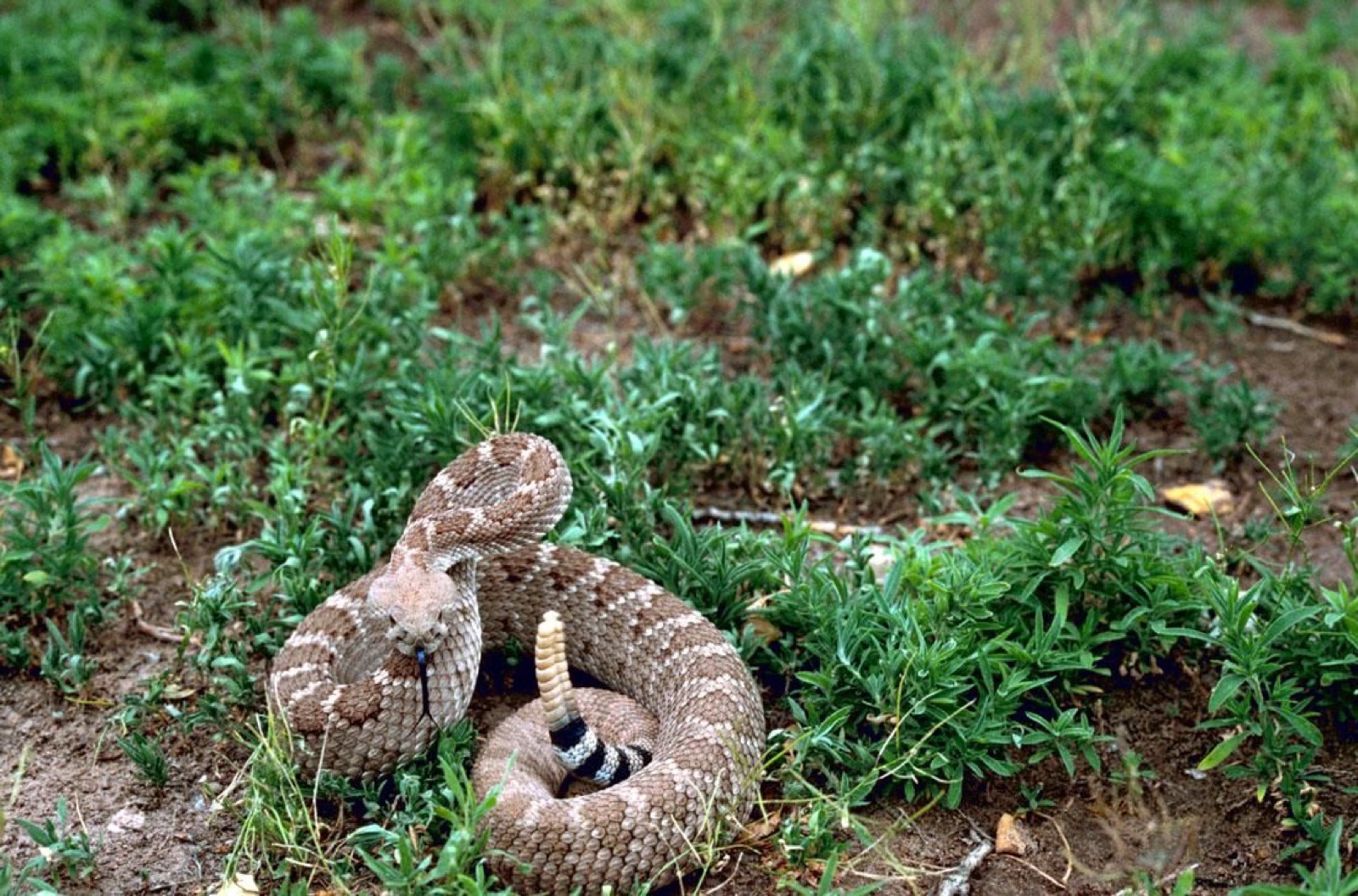
Snake at campsite what to do is a safety-first search because campsites are full of temporary hiding places: tents, shoes, firewood, coolers, tarps, backpacks, and shade under tables. The biggest mistake is trying to keep camping normally while people and pets move through the same ground-level space.
Do not step over the snake, move gear to find it again, or let a dog investigate. First, call everyone back to a clear area, secure pets on leash, and give the snake an obvious exit path. Watch from a distance to see whether it is moving under gear, toward brush, around firewood, or along the tent footprint.
Campsites attract snakes indirectly through shelter and food-chain signals. Crumbs, insects, rodents, frogs, stacked wood, and cool shaded gear can make a site more useful than bare ground. A snake near the tent may simply be passing through, but the gear layout can accidentally trap it close to people.
If you can take a safe photo without closing distance, do it once and stop. Do not use flash at close range, poke the animal with a trekking pole, or try to sweep it away from the tent. Those actions make movement less predictable and can push the snake into tighter cover where the next encounter is harder to control.
SerpentID can help compare visible markings from the photo, but campsite decisions should stay conservative when confidence is low. If the app suggests a venomous match or the snake settles under gear you must use, contact campground staff, park rangers, or local wildlife help. Before sleeping, check shoes, close tent doors, store food properly, and keep gear off the ground where possible.